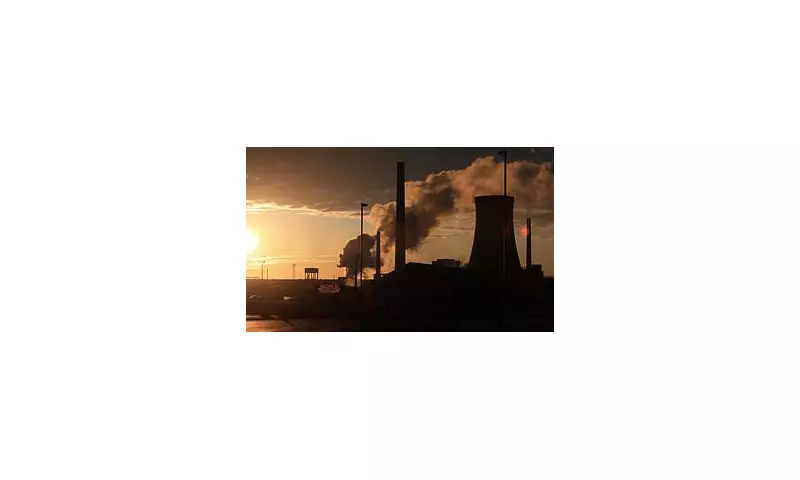
Britain's ability to produce its own virgin steel from scratch hangs in the balance, with plans under consideration to shut the nation's last remaining blast furnaces just eight months after an unprecedented government bailout.
A Costly Rescue and Mounting Losses
In a dramatic intervention last April, the government used emergency powers to take control of the Scunthorpe steelworks, operated by British Steel. This move, approved by MPs in a rare Saturday sitting of Parliament, prevented its Chinese owner, Jingye, from closing the plant. The site, which employs 2,700 people in North Lincolnshire, was losing around £700,000 a day under its previous ownership.
Since the state stepped in, the financial situation has deteriorated sharply. Taxpayer support has been required to continue operations, with losses now ballooning to over £1 million every day. Industry Minister Chris McDonald recently revealed the total cost to the public purse has reached a staggering £274 million.

The Controversial Plan to Merge and Close
Ministers are now reportedly examining a proposal that would see steel production at Scunthorpe cease entirely. The plan involves merging British Steel with Speciality Steel UK (SSUK), another firm currently under official receiver control. Crucially, this would involve restarting a mothballed electric arc furnace in Rotherham, South Yorkshire, to fulfil British Steel's existing contracts, which include supplying Network Rail and the construction sector.
If Scunthorpe closes, the UK would become the only G7 nation incapable of producing virgin steel—the very reason the government intervened to save it. This strategic vulnerability has sparked fierce criticism. Andrew Griffith, the Conservative shadow business and trade secretary, accused the government of a "lack of joined-up thinking" and labelled the situation a "botched renationalisation."
Broken Promises and National Security Fears
The potential closure is made more galling for the industry by revelations that several major, government-backed infrastructure projects may use imported steel. These include offshore wind turbines, a £2.1 billion scheme for small modular nuclear reactors, and the Net Zero Teesside power project, which could reportedly use 7,000 tonnes of Chinese steel.
Alasdair McDiarmid, assistant general secretary of the Community union, called the proposals "extremely concerning and scarcely believable." He warned that losing the UK's primary steelmaking capacity would be a "devastating blow to national security and sovereignty." The union has vowed to oppose any closure not part of a long-term investment plan for Scunthorpe.
Further complications abound. Jingye is believed to be seeking around £1 billion in compensation from the UK government. Negotiations are ongoing, with reports suggesting officials might offer to smooth the path for China's controversial new London mega-embassy to reduce the bill. There are also fears the taxpayer could be left with "potentially huge" clean-up costs if the site shuts.
The government's long-awaited Steel Strategy, which outlines how £2.5 billion will be spent to safeguard the industry, has been postponed. A Department for Business and Trade spokesperson stated they are committed to "a bright and sustainable future for steelmaking" and discussions with Jingye continue.