Rolls-Royce Reverses Course on Electric Vehicle Commitment
In a significant shift from its earlier environmental pledge, Rolls-Royce has officially abandoned its goal to sell exclusively electric vehicles by the end of the decade. The luxury car manufacturer, renowned for its opulent and high-performance automobiles, will continue to produce and sell models equipped with V12 internal combustion engines, responding directly to sustained client demand.
Leadership and Market Dynamics Drive Policy Change
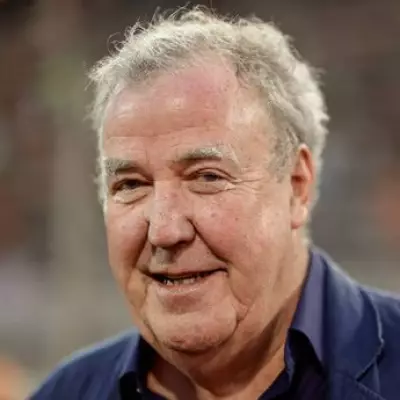
Chris Brownridge, who assumed the role of chief executive in 2023, articulated the company's new direction. He emphasized that the decision to retain V12 engines is a strategic response to customer preferences, stating, "We can respond to our client demand ... we build what is ordered." Brownridge acknowledged that the previous all-electric target, set under former CEO Torsten Müller-Ötvös, was appropriate for its time but no longer aligns with current realities.
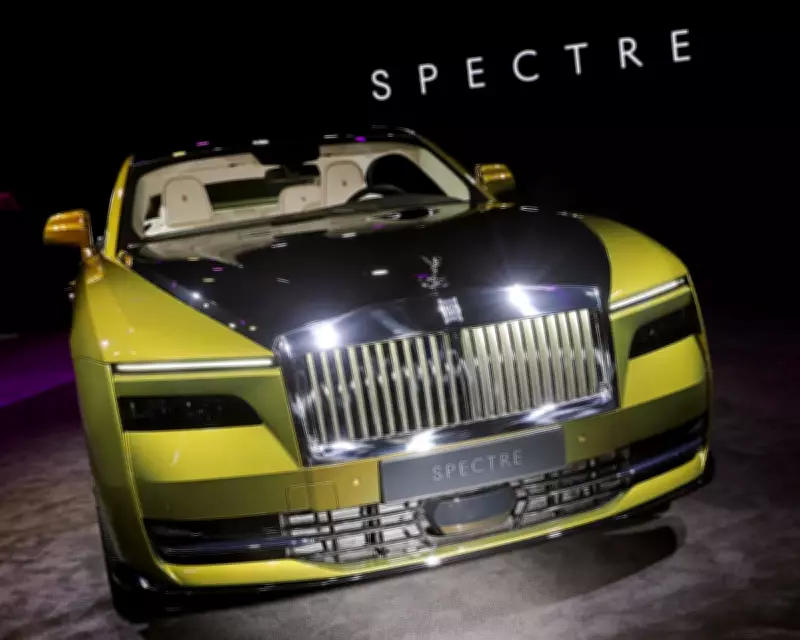
The initial commitment, announced alongside the launch of the fully electric Spectre model in 2022, envisioned phasing out V12 engines by 2030. At that time, projections suggested the Spectre would account for 20% of annual sales, with an ambitious target of 70% by 2028. However, Rolls-Royce has not disclosed the current sales percentage of the Spectre, indicating a possible shortfall in electric vehicle adoption among its clientele.

Global Automotive Industry Trends and Challenges
This reversal mirrors broader struggles within the global automotive sector regarding electric vehicle strategies. Bentley, another prestigious British marque under German ownership, has similarly postponed its full electrification timeline from 2030 to 2035 and recently announced job cuts at its Crewe facility. Additionally, major manufacturers like Honda and Stellantis have reported multibillion-dollar financial impairments linked to restructuring their electric vehicle divisions.
Brownridge cited evolving legislation and unpredictable market conditions as key factors influencing Rolls-Royce's decision. "The legislation has changed," he noted, highlighting how external pressures have reshaped the company's approach. The V12 engine, he added, remains an integral part of Rolls-Royce's heritage, appealing to traditionalists within its affluent customer base.
Geopolitical and Economic Influences on Luxury Markets
The luxury goods sector, including high-end automotive, faces mounting challenges from geopolitical instability, such as conflicts in the Middle East and shifting trade policies. Brownridge expressed cautious optimism about demand from the Middle East, noting strong growth over the past five years but acknowledging logistical hurdles in vehicle delivery due to regional tensions.
Furthermore, he observed a trend of ultra-high-net-worth individuals relocating from the UK to other parts of Europe or globally, which could impact local sales dynamics. "We've seen a number of our clients moving away from the UK to different locations," Brownridge remarked, underscoring the mobility of wealth and its implications for luxury brands.
Future Prospects and Operational Expansions
Despite these adjustments, Rolls-Royce continues to invest in its manufacturing capabilities. The company, headquartered in Goodwood, West Sussex, and owned by BMW, produces approximately 5,600 vehicles annually. A £300 million expansion project at the Goodwood plant is underway, aimed at enhancing bespoke production capacities and ensuring flexibility in meeting diverse client preferences.
This strategic pivot underscores the complex interplay between environmental commitments, market demand, and economic realities in the luxury automotive industry. As Rolls-Royce navigates these challenges, its ability to balance innovation with tradition will be crucial in maintaining its esteemed position in the global market.