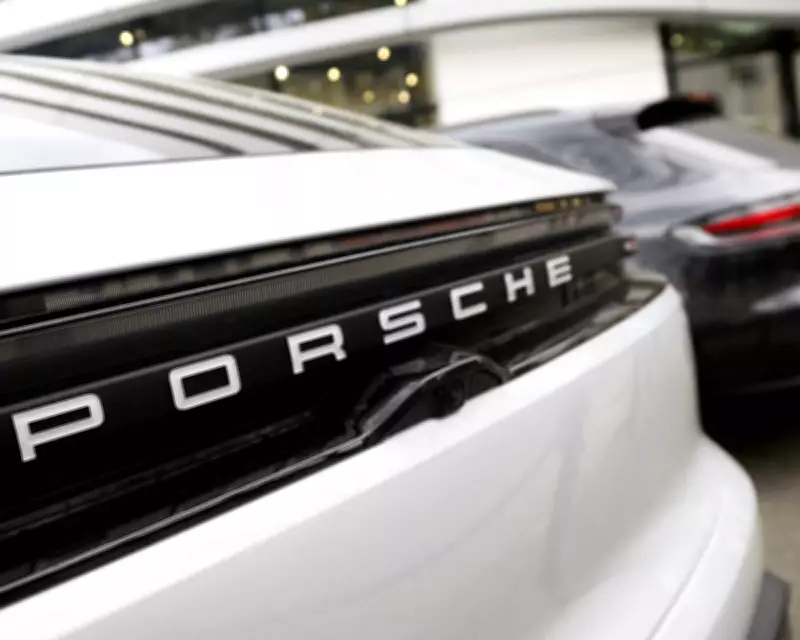
Porsche Announces Further Job Cuts Amid Electric Strategy Reversal and China Slump
German luxury carmaker Porsche is set to implement additional job reductions following a substantial financial writedown linked to the reversal of its electric vehicle strategy. The company has also been grappling with a prolonged sales downturn in China, a critical market for European premium brands.
Leadership Changes and Strategic Overhaul
Michael Leiters, who assumed the role of chief executive on January 1, emphasized the necessity for more decisive action. "The streamlining of the company needs to be sharpened and this will lead to further job reductions," Leiters stated on Wednesday. This announcement follows four profit warnings last year that contributed to Porsche's removal from Germany's DAX stock index.
Porsche currently employs approximately 40,000 individuals and had previously indicated plans to eliminate around 3,900 positions by 2030. "We will streamline our management structure, reduce hierarchies and cut back on bureaucracy," Leiters added, promising more detailed plans in the autumn.

Market Challenges and Financial Impact
The company has encountered intensified competition in China, where domestic car manufacturers are experiencing a sales boom. China's share of Porsche's global deliveries decreased to about 15% from 18% the previous year. Additionally, Donald Trump's car tariffs have adversely affected North American sales, costing Porsche an estimated €700 million in 2025, as all vehicles sold in the United States are imported.
Total vehicle deliveries fell by 10% to 279,000 cars, leading to a 12% revenue decline to €32.2 billion. Operating profit plummeted to €413 million from €5.6 billion the prior year.
Electric Strategy Reversal and Writedown
Amid these challenges, Porsche is scaling back its once ambitious electric car strategy, resulting in a €3.9 billion writedown. This balance sheet adjustment reflects the costs associated with changing direction rather than immediate cash losses. "We are using the current challenges as an opportunity to act even more decisively," Leiters remarked. "We will comprehensively reposition Porsche, make the company leaner, faster and the products even more desirable."
Impact on Parent Company and Future Outlook
Porsche's difficult year has also affected its parent company, Volkswagen, which recently warned of more dramatic job cuts, aiming to shed 50,000 positions by the end of the decade due to falling sales in China and North America. Historically a key profit driver for Volkswagen, Porsche's operating margin dropped sharply to 1.1% last year from 14.5% in 2024, though it is projected to recover to 5.5% by 2026.
The company has postponed several planned electric models, including electric versions of the Boxster and Cayman, now expected in 2027, partly due to the bankruptcy of battery manufacturer Northvolt. An electric SUV model, the K1, announced with fanfare in 2023, has been delayed to around 2029 and may include hybrid and petrol options.
Earlier in the week, Volkswagen cautioned that global turbulence from US-Israeli military action against Iran could negatively impact its outlook. Porsche noted that the potential effects of this conflict were not factored into its current forecasts.