Irish Alumina Refinery's Trade with Russia Fuels War Machine, Data Suggests
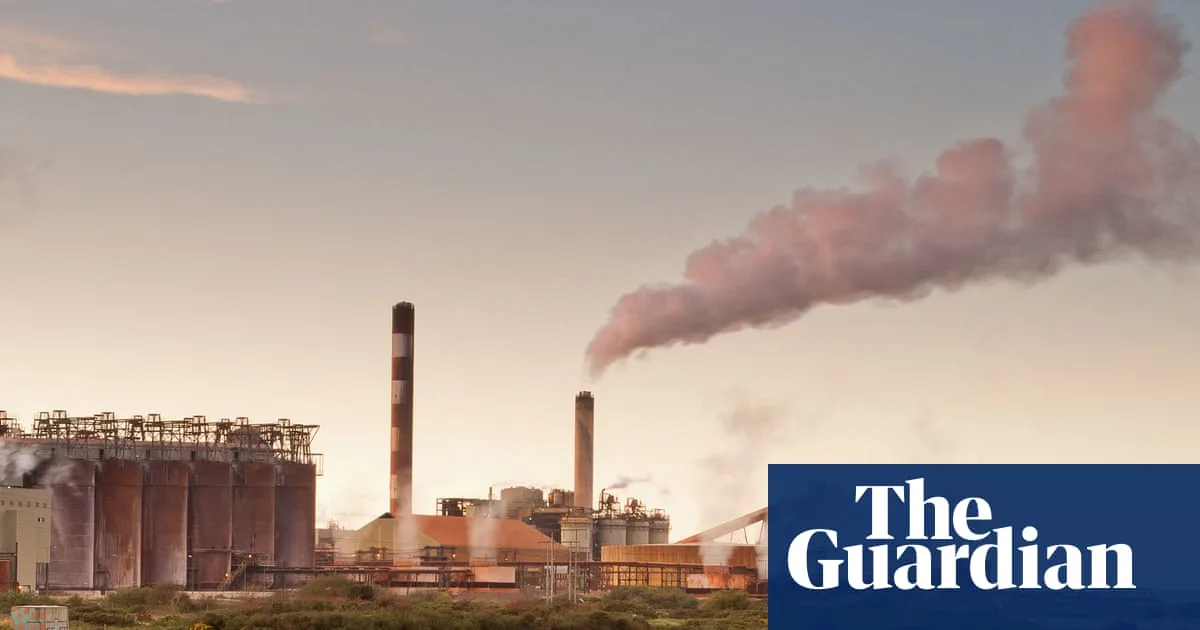
A leading Irish metals refinery is implicated in an international aluminium supply chain that appears to culminate with shipments to arms producers supporting the Kremlin's war effort in Ukraine, according to leaked records and public data. Trading documents indicate that shipments to Russian smelters from Aughinish Alumina, located on the Shannon estuary in western Ireland and owned by the Russian aluminium group Rusal since 2006, have increased sharply since the invasion of Ukraine in 2022.
Sharp Rise in Exports to Russia
Ireland exported $243 million (£180 million) of alumina to Russia in 2022, as reported by the Observatory of Economic Complexity (OEC), a data analytics website. This figure rose by 55% to $376 million in 2024. Aughinish is Ireland's sole producer of alumina and the largest producer of this key raw material for aluminium in Europe, according to a 2021 report by the accounting group KPMG. While this escalating trade does not breach current sanctions law and can be traced via publicly available shipping records, analysis of further data—leaked to the Russian investigative site iStories and shared with international media including the Guardian, the Organized Crime and Corruption Reporting Project (OCCRP), and the Irish Times—raises serious questions about the EU's capacity to prevent Russian arms manufacturers from accessing the bloc's raw materials.
Contradictions with Government Reassurances
The records also appear to contradict previous assurances from the Irish government. In 2022, Ireland's then public expenditure minister of state, Patrick O'Donovan, told parliament that the Aughinish plant "is not in any way connected to a war machine." When presented with findings from the new data, representatives from Aughinish did not comment on how the facility ensures its products have not contributed to Russian assaults on Ukraine. O'Donovan also declined to comment.
Professor Aristides Matopoulos, a defence supply chains specialist from Cranfield University, explained: "Defence supply chains are inherently multi-tier and cross-border, which creates structural gaps that can render sanctions architecture not fully fit for purpose. When you trace the supply chain—from bauxite mine to alumina refinery, to smelter, to trading intermediary, and ultimately to a weapons producer—it becomes clear that every node in the chain could appear fully compliant while still enabling strategic materials to reach sanctioned end users. This is because end-use tracing of commodities such as alumina across opaque supply chains, while technically possible, remains highly challenging in practice."
Legal Loopholes and Sanctions Evasion
Rusal's shipments of alumina between its sites in Ireland and Russia remain legal, as the EU has not imposed sanctions on this commodity, despite the resultant aluminium having extensive military applications. Notably, about a quarter of Rusal's shares are indirectly owned by the sanctioned Russian metals tycoon Oleg Deripaska. Deripaska has been personally sanctioned by the UK, EU, and US, but in 2019, the US lifted embargos on Rusal after he relinquished his controlling interest in the aluminium group's largest shareholder, EN+. Rusal also avoided sanctions in the EU and UK following Russia's invasion of Ukraine.
A spokesperson for Aughinish stated: "We operate in strict compliance with all applicable EU laws, including sanctions, export control measures, and trade regulations. We uphold a strong commitment to lawful and responsible business practices and continuously monitor regulatory developments to ensure the highest standards of compliance. The company implemented a robust sanctions compliance and due diligence framework covering its entire supply chain."
Historical Context and Economic Impact
The Aughinish refinery was constructed in the 1970s by the aluminium giant Alcan as Ireland prepared to join what was then the European Economic Community (EEC). The facility was later acquired by the commodity trader Glencore, which partnered with Russian aluminium groups Rusal and SUAL in 2006 to form the "world's biggest aluminium producer." The plant is a major employer in western Ireland, with about 900 staff, and supplies approximately 30% of the EU's alumina, used in products ranging from medical devices to mobile phones, according to the KPMG report.
Supply Chain Details and Military Connections
Rusal's refinery in Aughinish extracts aluminium oxide, or alumina, from bauxite. This alumina is shipped to several Russian sister companies within the Rusal group, including a large smelter in Krasnoyarsk, Siberia, where it is converted into aluminium. Analysis of public records suggests that nearly 500,000 tonnes of alumina, valued at about $200 million, were exported from Aughinish to Krasnoyarsk in 2024, accounting for around two-thirds of the aluminium oxide imported by that Rusal smelter that year. These shipments appear to satisfy about 25% of the Siberian facility's annual aluminium output of 1 million tonnes.
During the same period, aluminium produced at Krasnoyarsk was sold through Rusal's in-house trading firm, OK Rusal TD, to a third-party trading company called Aluminium Sales Company (ASK), as indicated by leaked records. ASK seemingly paid Rusal about $300 million in 2024. The data also reveals apparent connections between ASK and Rusal, including overlaps in property and financing: ASK shares addresses with Rusal branches in Russian cities such as Moscow, Volgograd, and Bratsk, and appears to have received loans from the aluminium group.
Arms Manufacturers as Clients
ASK's customers include dozens of sanctioned arms companies that produce missiles, explosives, and long-range bombers used in attacks on Ukraine. For instance, in 2024, ASK's largest client appeared to be the Sverdlov plant in Dzerzhinsk, Russia, which manufactures missile casings and explosives and was reportedly targeted by Ukrainian forces in October. The Sverdlov plant is Russia's only significant producer of high explosives RDX and HMX, according to a Ukrainian intelligence official and the Council of the European Union, which sanctioned the company in 2023.
In total, companies manufacturing weapons paid ASK $337 million for aluminium under Russian state defence contracts from February 2022 to April 2025, based on the leaked documents. Spokespeople for ASK, Rusal, EN+, and Deripaska did not respond to requests for comment on whether the use of an intermediary trading company was a method of evading sanctions.
Irish Government Stance
A spokesperson for Ireland's department of enterprise, tourism, and employment said: "The general principle of EU sanctions on Russia is that their imposition does not have a greater impact on a European member state than on Russia itself. The Aughinish plant is not subject to sanctions by the EU, nor has it been proposed by the EU for sanctions. Alumina is also not a sanctioned good, therefore its export to other countries, including Russia, is not restricted. The Irish authorities are committed to ensuring all sanctions are observed once they take force. Ireland remains unequivocal in its continuing support for Ukraine in light of Russia's unjustified invasion."