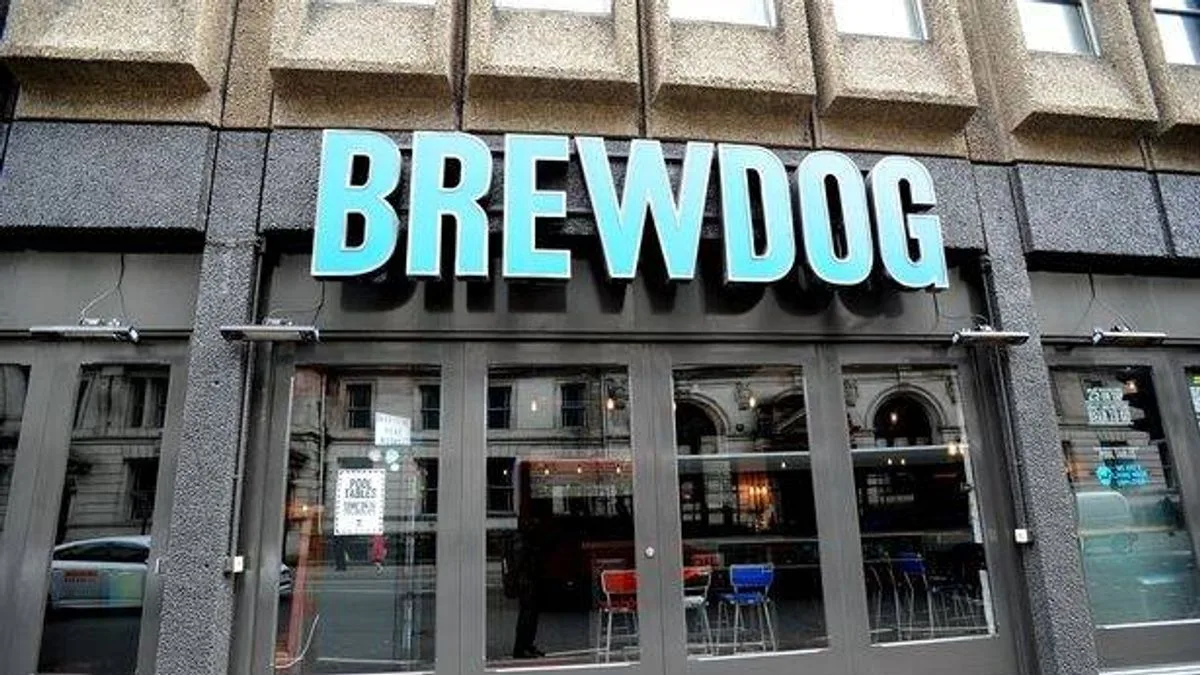
Scottish craft beer behemoth BrewDog has confirmed it will permanently close all of its distilling operations, raising serious concerns about potential further job losses at the already beleaguered company. The decision marks a significant strategic retreat from the spirits market as the firm battles mounting financial pressures and a shrinking UK pub presence.
End of an Era for BrewDog Spirits
BrewDog will cease production of its entire spirits portfolio, which includes Duo Rum, Abstrakt Vodka, and the popular Lonewolf Gin. All manufacturing will be halted at the company's dedicated distillery in Ellon, Aberdeenshire, over the coming months. The move represents a complete exit from the spirits sector, with the company confirming it will sell off remaining stock and honour existing supply commitments before winding down operations entirely.
A company spokesperson stated: 'After careful consideration, we've made the difficult decision to cease production of our distilling brands. This will allow us to sharpen our focus and concentrate our efforts on our beer and the continued growth of Wonderland.' The Wonderland cocktail range, interestingly, will remain available despite the broader distilling closure.
Local Impact and Political Concern
The announcement has sparked immediate concern in the local community and among political representatives. Gordon and Buchan Conservative MP Harriet Cross voiced her apprehension, highlighting the potential impact on employment in the area. 'The announcement of the closure of BrewDog's distilling business is deeply concerning,' she said. 'The staff at BrewDog whose jobs are now at risk will understandably be very worried by this.'
MP Cross further noted that the decision underscores the broader challenges facing the drinks and hospitality industries, citing 'challenging market conditions causing financial difficulties.' She has committed to writing to BrewDog management to seek clarity on the implications for jobs and other parts of the business.
A Company in Crisis: Financial Losses and Market Retreat
This strategic withdrawal from distilling follows a period of severe financial strain for BrewDog. The company recorded staggering losses of £59 million in 2023, following a £30.5 million loss in 2022. In a bid to stem the bleeding, the firm announced significant job cuts in October after posting an additional £37 million loss.
The financial woes are compounded by a dramatic collapse in the company's UK distribution network. Private industry data revealed that BrewDog's draught beers have vanished from approximately 1,860 pubs across Britain over the last two years, representing a more than one-third reduction in its UK distribution footprint. Its flagship Punk IPA suffered the most, being removed from 1,980 pubs—a devastating 52% decline.
Leadership Turmoil and Reputational Challenges
BrewDog's recent history has been marred by leadership changes and reputational issues. Founder James Watt, the public face of the brand, stepped back from the CEO role in May 2024 amidst allegations of improper conduct. He was succeeded by James Taylor, who has since described the company's financials as not making for 'happy reading.' Martin Dickie, the other co-founder, left the company for personal reasons last year.
The company's culture has also come under intense scrutiny. In 2021, former employees published an open letter accusing BrewDog of fostering a 'culture of fear' and exhibiting 'toxic attitudes' towards junior staff. While the company apologised and promised reform, the damage to its employer brand was significant. Mr. Watt later admitted to being 'too intense and demanding.'
Strategic Refocus on Core Beer Business
By shuttering its distilling arm, BrewDog is attempting a dramatic return to its roots. The company, founded in 2007 by Watt and Dickie, rose to prominence on the back of the craft beer revolution and its iconic Punk IPA. The stated aim is now to channel all resources and energy into stabilising and growing its beer portfolio and the Wonderland cocktail line.
This retrenchment follows other cost-cutting measures, including the closure of 10 company-owned bars across the UK in July—deemed not 'commercially viable'—and the loss of its flagship Aberdeen site. The future of the physical distillery building in Ellon remains under review.
The Scottish brewer now faces the dual challenge of navigating a fiercely competitive craft beer market, crowded with rivals like Camden Town and Beavertown, while attempting to rebuild its tarnished reputation and fractured finances. The closure of its spirits division is a high-stakes gamble that the future lies solely in beer.