Homeowners have been advised to take immediate action regarding overhanging tree branches from neighbouring properties, as failure to do so could lead to significant financial losses. An insurance specialist has clarified that any damage caused by a neighbour's tree typically requires a claim on the homeowner's own insurance policy, not the neighbour's.
Responsibility for Tree Damage
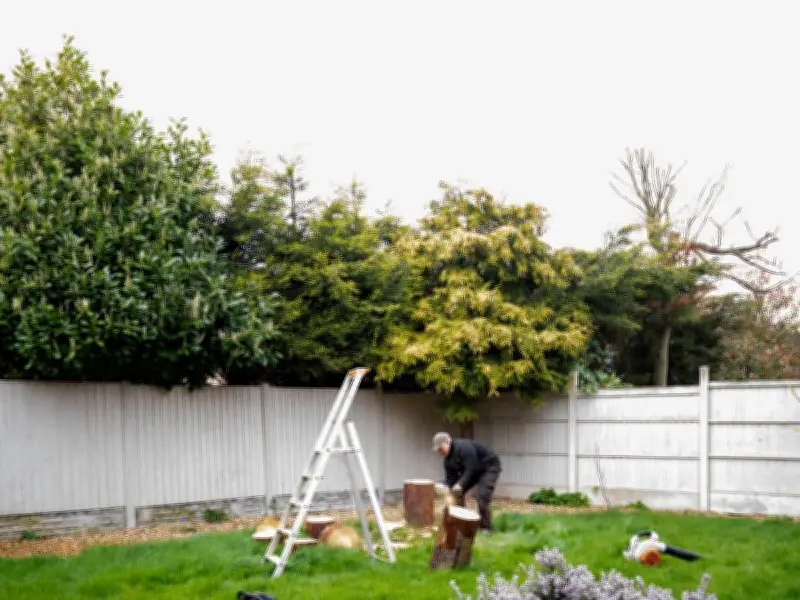
Ian Wilson, Managing Director and home insurance expert at Tiger.co.uk, explained that a tree or its branches can usually be cut back if they extend beyond the property boundary, provided you do not need to trespass on the neighbouring property. However, he warned that damage caused by a neighbour's tree would ordinarily need to be claimed through the affected homeowner's own insurance policy, meaning they would be responsible for paying the excess.
Wilson stated: "If damage does occur, you will generally need to claim through your own home insurance policy, meaning you'll be responsible for paying the excess. Before carrying out any pruning, it's always courteous to let your neighbours know."
Legal Regulations for Pruning
Before cutting back overhanging branches, homeowners must verify whether the tree has a Tree Preservation Order (TPO). Cutting a protected tree without authorisation can result in severe legal ramifications and fines reaching £20,000. Homeowners can check with their local council to determine if a tree is protected.
Additionally, property owners must refrain from pruning if birds are nesting, as disturbing or harming nesting birds is prohibited under the Wildlife and Countryside Act 1981. Offenders could face an unlimited fine, a prison sentence, or both.
Returning Clippings and Avoiding Excessive Trimming
Any branches, fruit, or other cuttings taken from a neighbour's plants remain their property. After pruning, the cuttings must be returned to the neighbour. If the neighbour declines them, the homeowner may then dispose of them.
Homeowners must also avoid excessive trimming that could harm the tree. If incorrect pruning leads to the tree's decline or death, the homeowner could be held responsible for any consequent damage and may be obliged to compensate the tree owner.
Insurance Advice and Dispute Resolution
Wilson emphasised the importance of approaching boundary issues respectfully to avoid disputes. He said: "It may feel a little tense discussing boundary lines with neighbours, but it's important to always approach any concerns respectfully to help resolve issues without disputes."
He also highlighted the role of home insurance: "Home insurance is key, it can help provide financial protection if unexpected damage does occur, giving you greater peace of mind should issues arise with neighbouring trees or plants and even offer support for legal costs should matters with neighbours lead to a dispute – however legal cover is not always included as standard so it's important to check the policy details."