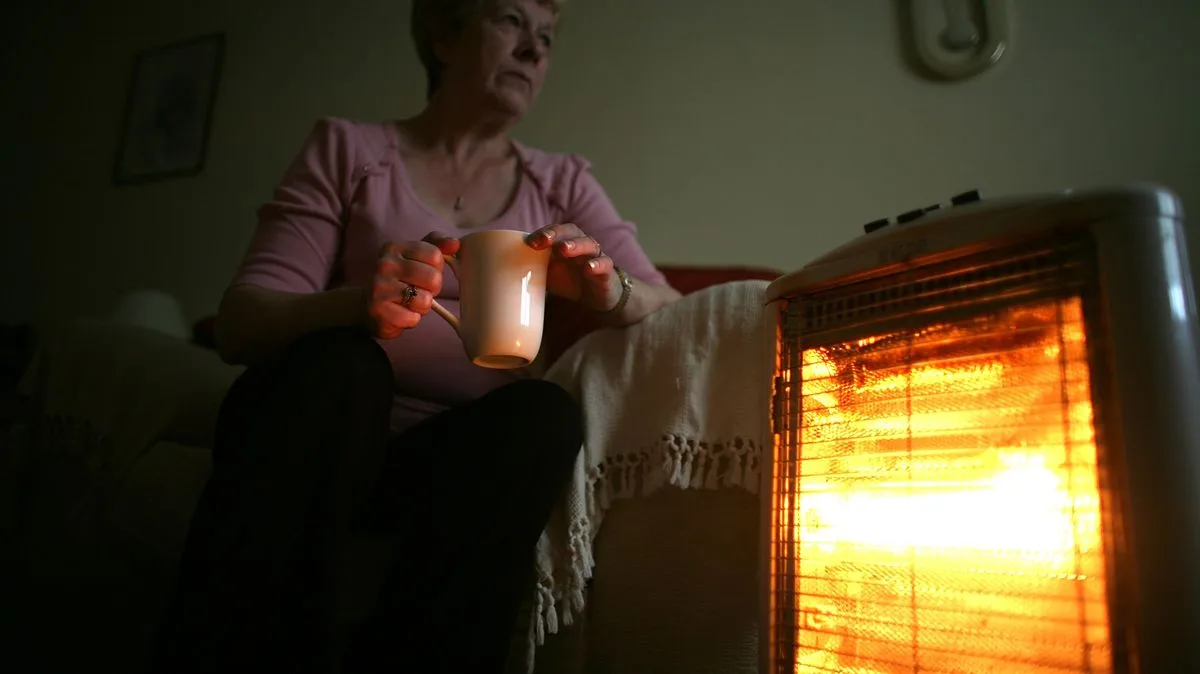
As energy bills remain a pressing concern for many, a significant number of UK households are turning to portable heaters for a more cost-effective way to stay warm. However, experts are issuing an urgent winter safety warning, highlighting the severe risks these appliances can pose if used incorrectly.
The Hidden Dangers in Your Home
While portable electric and gas heaters offer a convenient heating solution, they can quickly become hazardous. Life insurance firm Life Pro has emphasised that electric heaters can lead to house fires, injuries, or even fatalities if not handled with extreme care.
The primary risk with electric models involves their intense heat. If a heater is knocked over or placed too close to flammable materials like bedding, clothing, or curtains, it can ignite a fire in moments. The advice is clear: these devices demand constant vigilance.
The Silent Threat of Carbon Monoxide
For those opting for gas-powered heaters, a different, invisible danger emerges: carbon monoxide. This colourless and odourless gas can leak from appliances and accumulate without any obvious signs, leading to potentially fatal poisoning.
Early symptoms are often mistaken for other illnesses and include headaches, nausea, dizziness, and confusion. The elderly, children, and individuals with pre-existing heart or lung conditions are particularly vulnerable to its effects.
Five Essential Rules for Safe Heating
A representative from Life Pro has outlined five critical safety rules that every household using a portable heater must follow:
- Always place your heater on a flat, stable surface, well away from beds, sofas, curtains, and clothes.
- Never place any objects on top of a portable heater.
- Ensure the heater is switched off completely before you go to sleep or leave the house.
- Never use a gas oven to heat your room, as this can cause a dangerous build-up of carbon monoxide.
- All gas heaters, boilers, or fires must undergo routine servicing by a certified engineer.
Furthermore, every home should be equipped with a functioning carbon monoxide alarm. Just like a smoke alarm, it is vital to test this device regularly to ensure it will provide a warning in the event of a leak.