Drivers Warned: Stopping Distances Must Increase Tenfold in UK Snow Blizzard
Snow Blizzard Warning: Stopping Distances Vital for UK Drivers

Motorists across the United Kingdom are being issued a critical safety alert as forecasters predict a significant snow blizzard is set to strike over the New Year period. Driving experts have emphasised one paramount measure to prevent accidents on icy roads: extending stopping distances by up to ten times the norm.

The Stark Winter Warning for UK Roads

With the winter chill firmly descending, car insurance specialists at Quotezone.co.uk have delivered a stark reminder of the perils of driving in snow and ice. Greg Wilson, CEO and motor insurance expert at the firm, stressed the importance of preparation. "It's crucial that drivers don't underestimate winter weather and are fully prepared for worsening conditions," he stated.

The darker, colder months from October to March already see a dramatic spike in incidents, with drivers six times more likely to be involved in a collision. This risk is compounded by reduced daylight and treacherous weather, making understanding stopping distances more vital than ever.

Understanding the Dramatic Increase in Stopping Power

The standard guidelines from the Highway Code become almost redundant in severe winter conditions. Under normal, dry circumstances, stopping distances are advised as 23 metres at 30mph, 53 metres at 50mph, and 96 metres at 70mph.

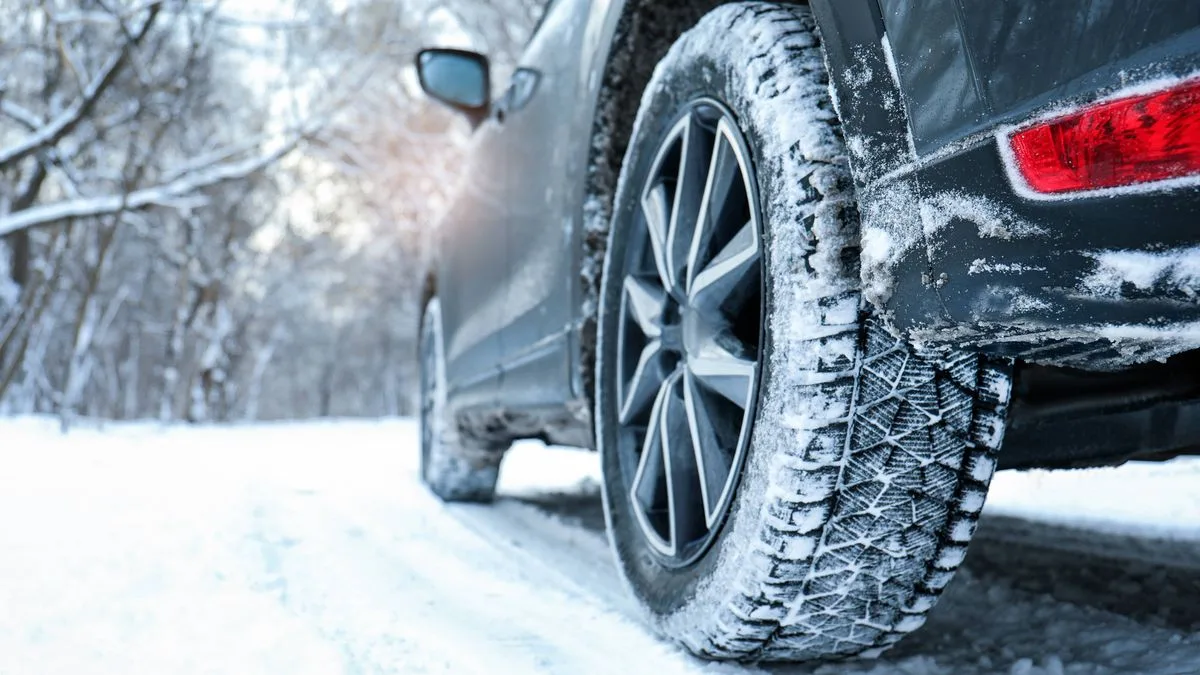
However, these figures can expand alarmingly when the weather turns. In wet conditions, drivers need at least double the usual distance to stop safely. When faced with snow and ice, the required distance can skyrocket, necessitating up to ten times the normal stopping length.

It is essential to remember that 'stopping distance' comprises two elements: the thinking distance (the time it takes to react to a hazard) and the braking distance. Factors like fatigue, distraction, or pressure can significantly lengthen the thinking distance, adding precious extra metres before the brakes even begin to slow the car.

Consequences and Essential Winter Driving Tips

Wilson also issued a clear warning regarding insurance, noting that claims could be challenged if a driver is found to have been negligent, such as ignoring safety advice or speeding in dangerous conditions. Adhering to the rules of the road is non-negotiable, regardless of the weather.

To navigate the impending blizzard and general winter hazards safely, experts recommend the following key actions:

  • Increase your stopping distance exponentially: Double it in the wet and increase it up to tenfold on ice or snow.
  • Reduce your speed: Drive well below the speed limit to allow more reaction time.
  • Check tyres and visibility: Ensure tyre tread is above the 1.6mm legal minimum and clear all windows of frost, ice, and snow before setting off.
  • Beware of black ice: Be extra cautious on shaded roads, bridges, and overpasses. If you encounter it, avoid braking suddenly and keep the steering wheel straight.
  • Prepare an emergency kit: Carry an ice scraper, de-icer, warm clothing, a blanket, and a charged phone or portable charger.

The overarching advice for the forecasted severe weather is to plan journeys carefully, check forecasts and traffic updates, and only travel if absolutely essential when warnings are in place. Giving yourself and other road users plenty of space and time is the most effective strategy to ensure safety during the UK's winter snow blizzard.