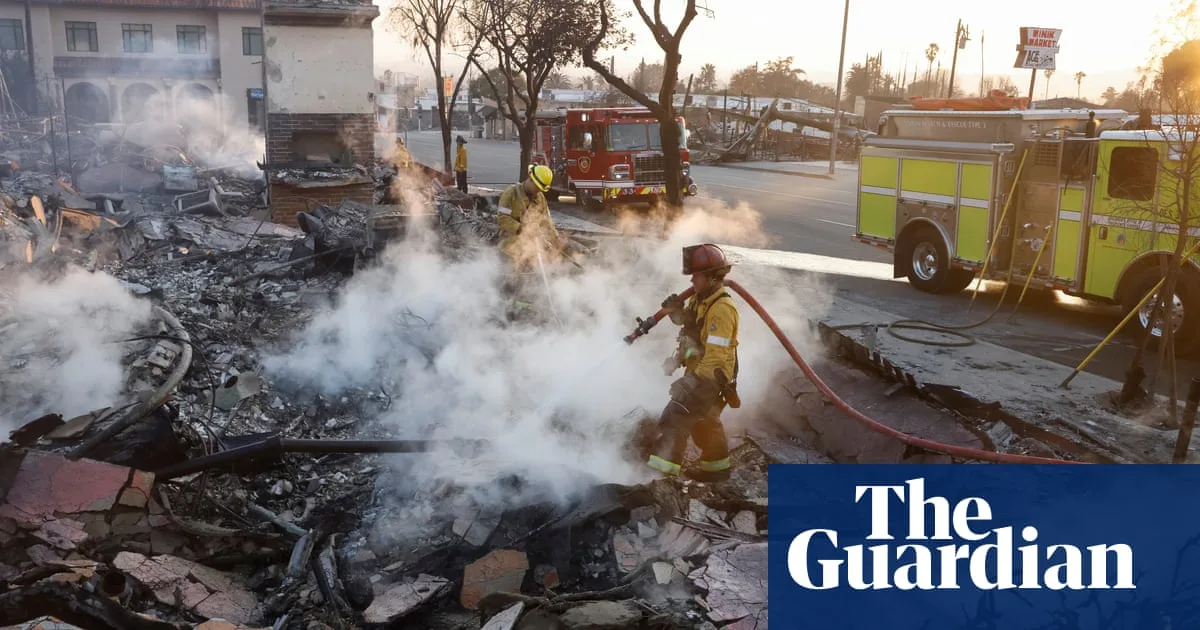
Homeowners across the United States are confronting a severe financial squeeze as the climate crisis drives up insurance premiums, with new federal data revealing the steepest increases in areas most vulnerable to wildfires, hurricanes, and other disasters. The Treasury Department report, the most comprehensive of its kind, shows that those living in the top 20% of high-risk areas paid an average of 82% more in premiums between 2018 and 2022 compared to those in the lowest-risk zones.
The report also highlights a growing crisis of availability, with insurers pausing or withdrawing from disaster-prone states like Florida and California. In over 150 high-risk zip codes, at least 10% of policies were cancelled in 2022. Homeowners are increasingly failing to pay rising premiums, risking financial ruin if disaster strikes. The data bolsters concerns that Americans face tangible climate costs, despite political dismissals of the issue.
David Jones, former insurance commissioner of California, warned: 'We are marching towards an uninsurable future. The climate crisis is driving an insurance crisis.' He added that the report underscores the need to cut planet-heating emissions, calling insurance 'the canary in the coal mine' that is now 'just about dead'. The Los Angeles fires, potentially the costliest in California history, could further destabilise the market.
States are increasingly setting up backstop insurance options as private insurers exit. In Florida, deregulation has failed to lure insurers back, leading to sky-high rates. The crisis extends to the Gulf Coast and even the Midwest, where severe storms are becoming more common. Former Treasury Secretary Janet Yellen warned that rising costs threaten the long-term prosperity of American families. Without addressing the underlying climate crisis, experts say the situation will worsen, with knock-on effects on mortgages and taxpayer-backed state plans.