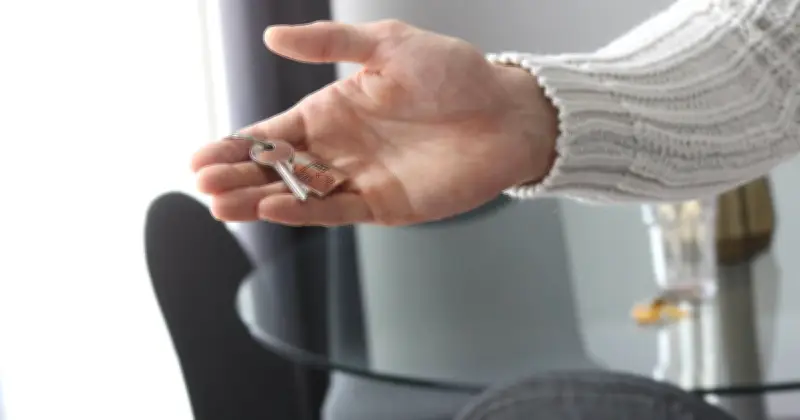
UK homeowners taking part in home swap holidays could leave their home insurance void if they fail to inform their insurer, experts at Saga have warned. New Google search analysis conducted on behalf of Saga Home Insurance found that worldwide searches for “home swap website” have risen by 604% in the last year and 135% in the last month, highlighting growing interest in the trend.
Home swaps, where homeowners temporarily exchange properties for a holiday, are becoming a popular, budget-friendly alternative to hotels and rentals. However, Saga experts said homeowners may not realise the impact it could have on their home insurance, or the steps they may need to take before handing over their keys.
Many homeowners unaware of insurance implications
A Saga Home Insurance poll of 1,000 UK homeowners found that while interest in home swapping is high, understanding of the potential insurance implications could be limited. It found that 59% of people would not inform their insurer before participating in a home exchange, or were unsure if they even needed to. Further, 40% were unsure whether home swapping would be covered by a standard home insurance policy if no money was exchanged.
Saga’s home insurance expert warned that home swapping was not as straightforward as many assume when it comes to insurance. Anna Thunstrom, head of home insurance at Saga, said: “A home swap of any duration would need to be declared to your insurer. If you’re allowing other people to stay in your home while you are not there, without informing your insurer, your insurance could be null and void.
“This is different from just leaving your home unoccupied to go on holiday, as it doesn’t carry the same risk of theft or malicious or accidental damage in the home by other people. Most insurers allow 30-60 days before needing to notify your insurer that it’s unoccupied. At Saga, this is 60 days.”
Paid and unpaid swaps both require declaration
Anna added: “From an insurance perspective, both paid and unpaid home swaps would fall outside of standard cover and would require notification to your insurer.” She explained that cover could be significantly affected depending on the arrangement: “Depending on the circumstances, such as duration and whether payment is involved as part of a formal short-term holiday let, the insurer may apply additional terms to the policy. This can include removing cover for theft or malicious damage by any persons lawfully in your home, and may also remove cover for accidental damage during the stay. In some cases, insurers may decline cover altogether and specialist insurance may be required.”
Anna highlighted a key misconception: “It’s a common assumption that if no payment is involved, there’s no need to inform your insurer, but that isn’t always the case. Even if no money is exchanged, it still needs to be declared. If a home swap has not been disclosed, and this is not reflected in the policy at the time of a claim, insurers are within their rights to decline claims outright.”
Potential risks and what to consider
While many house swaps are successful, homeowners should be aware of potential risks, including accidental damage to the property or contents, theft or loss of belongings, liability if a guest is injured while staying in the home, reduced control over how the property is secured during absence, disputes if damage occurs, and complaints or disputes with neighbours about issues such as noise or parking disruption.
Rather than focusing solely on cost savings, homeowners are being urged to fully understand the implications before entering into a swap. Anna said: “Before agreeing to a home swap, it’s important to understand the risks involved and ensure you are comfortable with them. Always inform your insurer in advance and make sure you fully understand the implications before agreeing to the swap.
“This includes whether there may be reduced terms, exclusions or higher excesses, and whether you would still be comfortable proceeding if certain types of claims would not be covered. It’s important that homeowners understand how their home will be used during the period of the swap, as this will affect how the insurer assesses the risk.”
Saga suggests homeowners inform their insurer before the swap takes place, detailing the duration of the arrangement, to discuss any temporary cover changes; ensure they fully understand any changes to their cover or terms; check policy documents for restrictions or exclusions; take an inventory and photographs of the home before leaving; lock away or remove valuables where possible; and consider informing neighbours of the arrangement to mitigate complaints and disruption.