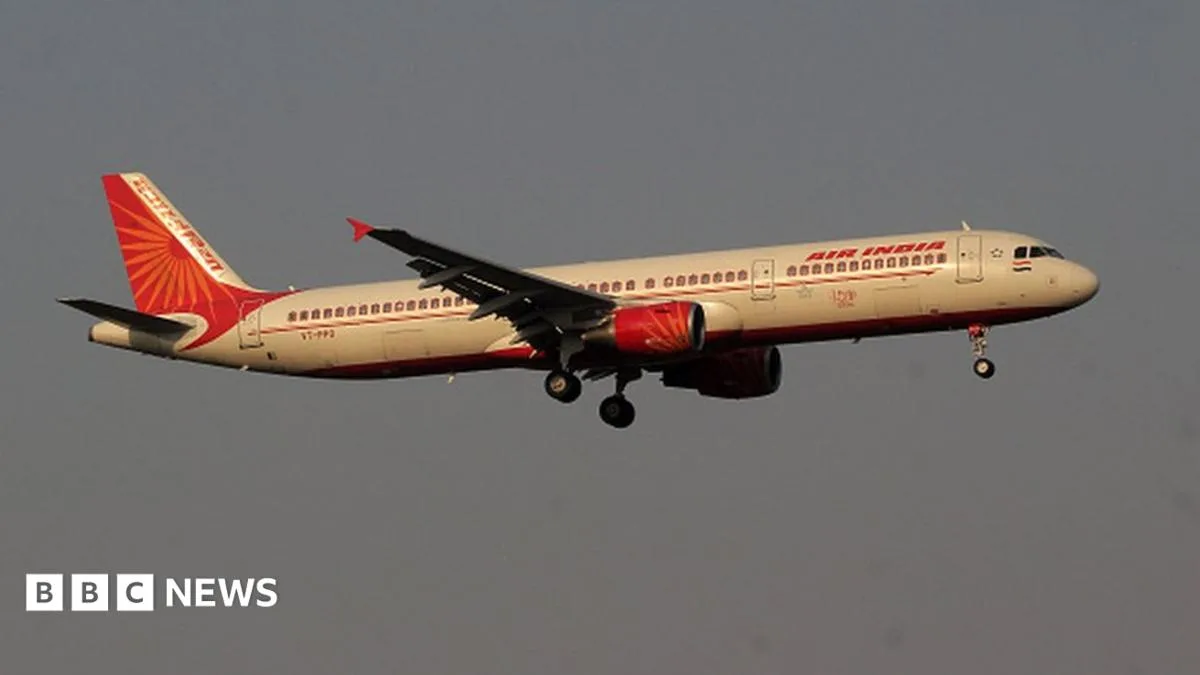
Air India, India's national carrier, has been officially handed over to the Tata Group, which purchased the debt-ridden airline in October last year for nearly $2.4bn (£1.7bn) after the government eased debt terms. The salt-to-steel conglomerate originally founded the airline in 1932 before it was nationalised in 1953.
The handover ends years of attempts to sell Air India, which has accumulated losses of $9.5bn. The airline has been loss-making since 2007, when it merged with state-owned Indian Airlines, and remained operational only through taxpayer-funded bailouts. The government reported daily losses of nearly $2.6m.
Tata Group chairman Natarajan Chandrasekaran met Prime Minister Narendra Modi before the handover. The existing board has resigned, making way for a new board appointed by Tata. It remains unclear when Air India will begin flying under the Tata banner.

Despite its financial woes, Air India holds valuable assets, including prized slots at London's Heathrow, a fleet of over 130 planes, and thousands of trained pilots and crew. The airline also owns prime real estate and over 40,000 pieces of art, including a Salvador Dali ashtray. More than two-thirds of its revenue comes from international operations.
Tata Sons already runs two Indian airlines: Vistara, a full-service carrier with Singapore Airlines, and AirAsia India, a budget airline with Malaysia AirAsia. With India's passenger growth at around 20% annually and an underserved market, experts see Air India as a promising prospect for the Tata Group.