
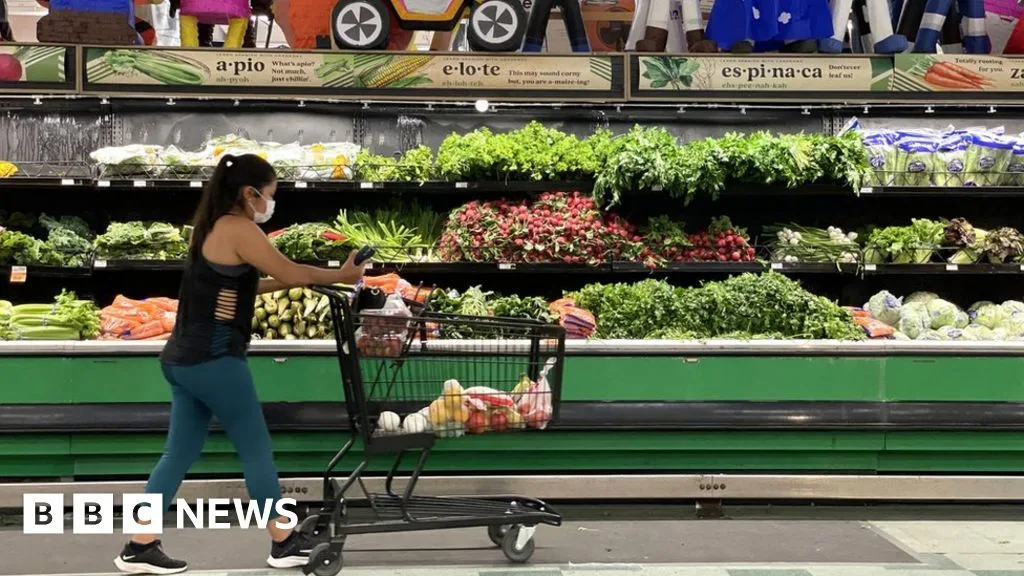
US inflation surged to 8.6% in May, the highest annual rate since 1981, according to the Labor Department. The rise, driven by soaring energy and food prices, exceeded analyst expectations and dashed hopes that price pressures were easing.
Energy costs jumped more than 34% compared to May 2021, while food prices rose over 10%. The increases were widespread, affecting items from airline tickets to medical services. The conflict in Ukraine has exacerbated the situation by disrupting exports of oil and commodities like wheat.
The Federal Reserve has been raising interest rates since March to cool the economy, but the war and ongoing supply-chain issues have complicated efforts. Greg McBride, chief financial analyst at Bankrate.com, said, 'So much for the idea that inflation has peaked. Consumer prices blew past expectations... the increases were nearly ubiquitous. Just no place to hide.'
The rising cost of living is squeezing households, particularly lower-income families who spend a larger share on essentials. Consumer sentiment has plunged, and President Joe Biden's approval ratings have fallen. In response, Biden said, 'We must do more – and quickly – to get prices down here in the United States.'
US stock markets fell sharply after the report, with all three major indexes dropping more than 2%. Analysts warn that high prices may persist, with Richard Flynn of Charles Schwab UK noting, 'Even if inflation peaks soon, it's unlikely to decelerate quickly.'
Despite the inflation surge, the labour market remains strong, adding jobs. However, wages have not kept pace, and the World Bank has warned that many countries face a risk of recession. The Fed's interest rate hikes are expected to slow economic growth in the coming quarters.




