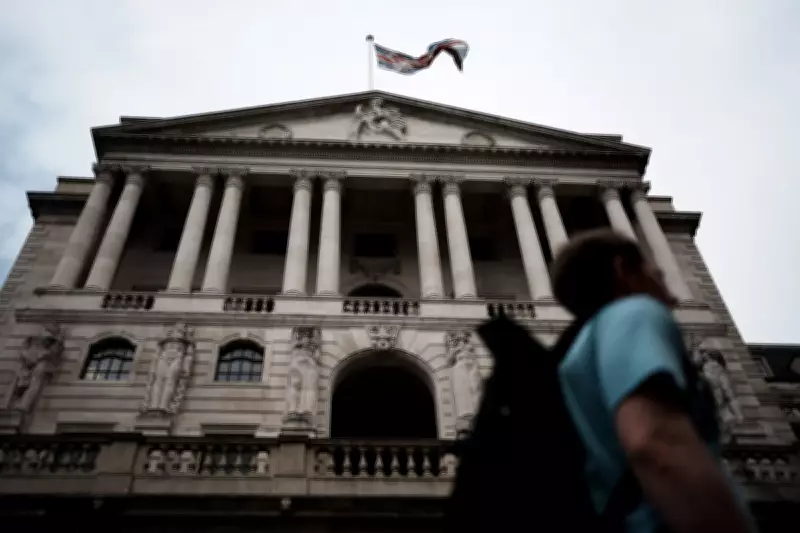
UK Inflation Falls Steeply to 3 Per Cent, Prompting Hopes of Interest Rate Cut
UK inflation has fallen to 3 per cent, according to the latest data from the Office for National Statistics, sparking optimism that an interest rate cut could follow soon. This decline in the Consumer Price Index (CPI) comes after a surprise rise in December to 3.4 per cent, marking a return to the gradual downward trend observed at the end of last year.
Path to Government Target and Economic Context
Analysts estimate that inflation remains on course to hit the government's 2 per cent target by around April. This positive development follows recent data showing rising unemployment and slowing wage growth, alongside a continually weak economy. Many hope this fall could spur the Bank of England to cut interest rates next month when the Monetary Policy Committee convenes to vote on 19 March.
Inflation peaked at more than 11 per cent in October 2022, and while it has returned to more manageable levels over the past year, the pace of decline has been slower than businesses and households would have preferred. This has resulted in interest rates staying higher for longer, putting pressure on consumers and the broader economy.

Factors Driving the Decline and Future Projections
Falling household bills and the reduction of the energy price cap in April are expected to contribute significantly to bringing CPI inflation back to 2 per cent by spring. Additionally, food inflation is anticipated to moderate, having been a major contributor to high inflation last year. These factors combined suggest a more stable economic outlook in the coming months.
Expert Caution and Household Impact
Tamsin Powell, a consumer finance expert at Creditspring, cautioned that it is important to remember that slowing inflation does not mean lower prices—it means they are climbing at a lower rate than previously. "Many households will be hoping this finally translates into a slightly cheaper weekly shop and fewer shocks at the checkout. For families who track every pound, even small slowdowns in food and energy price rises make a difference," she said.
"But it's important to keep this in perspective. Prices aren't falling back to where they were—they're just rising more slowly. For lower-income households who spend a larger share of their income on essentials like food, rent and utilities, budgets are still tight. A slower rise doesn't undo the pressure built up over the past two years."
Market Predictions and Interest Rate Outlook
Ahead of these latest inflation figures being confirmed, markets were predicting an 80 per cent chance of an interest rate cut in March, with another probable in June or July. This reflects growing confidence among economists that the Bank of England will take action to support the economy as inflation trends downward. The combination of falling inflation and weak economic indicators strengthens the case for monetary policy easing in the near term.