The escalating conflict in the Middle East, fueled by recent US-Israeli strikes on Iran, is triggering a profound shift in global wealth patterns, with the world's ultra-rich increasingly abandoning traditional hubs like Dubai in favour of Switzerland's renowned safe havens. Wealth managers and reputation experts report a surge in anxiety among high-net-worth individuals, prompting urgent asset transfers to shield fortunes from regional instability and potential tax repercussions.
Dubai's Allure Dims as Regional Tensions Mount
For decades, Dubai and the wider United Arab Emirates have magnetised global wealth with their luxurious lifestyles, generous tax breaks, and strategic location. Often dubbed the 'Switzerland of the East', the emirate has built a formidable reputation as a financial oasis. However, the ongoing war has starkly exposed the underlying geopolitical risks, causing a significant reassessment among the affluent expatriate community.
Reputation expert Bernhard Bauhofer observes that anxiety is intensifying proportionally with wealth. 'The ultra-rich are worried. The more money they have, the more they fear losing it,' he stated, highlighting a fundamental driver behind the current exodus. This sentiment is echoed by more than a dozen bankers and financial advisers, collectively overseeing assets exceeding one trillion dollars, who confirm that clients are actively exploring shifting assets from the Gulf to Switzerland as hostilities escalate.
Swiss Neutrality and Stability Prove Irresistible
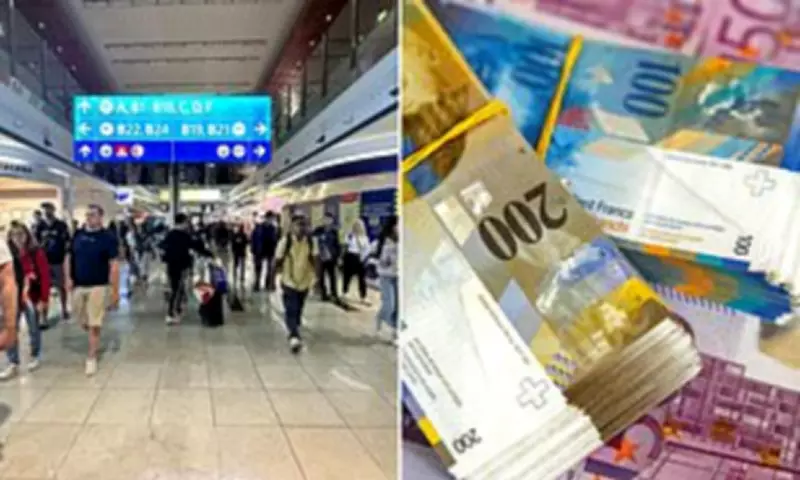
In times of crisis, Switzerland's historical value as a sanctuary for capital becomes overwhelmingly apparent. 'Whenever there is a crisis, whether during the Cold War or today, we see Switzerland's value reflected in the strength of the franc,' Bauhofer noted, pointing to the nation's unwavering political stability, neutrality, and robust rule of law. Following the recent strikes, the Swiss franc surged to its highest level against the euro in a decade, a tangible indicator of its safe-haven appeal.
Martin Hess, chief economist at the Swiss Bankers Association, emphasised this competitive advantage. 'It's now to our advantage that we can score points with Swissness, namely secure conditions, political stability, and the rule of law. I believe this is particularly valued in times like these,' he explained. This 'Swissness' is proving a powerful draw, not only for Middle Eastern wealth but also for European investors reconsidering their financial positioning.
Quantifying the Wealth Migration: A Surge in Inquiries and Assets
While precise, immediate figures are challenging to compile, the trend is unmistakable. Patrik Spiller, head of wealth management at Deloitte Switzerland, reported that cash positions booked in Switzerland by private individuals and non-banks from the UAE have risen by approximately 40% over the past three years, with momentum accelerating after earlier attacks in June last year.
'Due to recent events, we expect that assets from the Middle East will increasingly be booked in Switzerland. We're hearing from banks, family offices, and other high-net-worth individuals that discussions are currently underway,' Spiller said. He projected that Switzerland could eventually see 'several dozen billion' dollars inflow from the region, though the final amount hinges critically on the war's duration and development.
The process typically begins with liquid cash transfers, followed later by more complex assets like stocks or bonds. Till Budelmann, Chief Investment Officer at Zurich-based private bank Bergos, sensed the conflict had 'given a boost to Switzerland as a safe haven'. He cited a telling example: a European investor, previously deliberating, requested an immediate appointment to open an account once hostilities began.
Banking Sector Responds with Cautious Optimism
Major Swiss financial institutions are witnessing this renewed interest firsthand. Pictet, the country's second-largest private bank by assets under management (AuM), acknowledged increased customer inquiries, attributing part of its success to the enduring appeal of 'Swissness'. The bank reported record-high AuM at year-end and a positive continuation into the new year.
Meanwhile, industry giants UBS and Julius Baer declined to comment specifically on the Middle East asset flows. However, the broader consensus among advisers and smaller banks suggests a significant, sustained movement of capital is underway, driven by a fundamental desire for security in an increasingly volatile world.
As the conflict in the Middle East continues to unfold, the flight of the ultra-rich from Dubai to the alpine safety of Switzerland underscores a timeless financial truth: in periods of profound uncertainty, capital seeks the most stable and neutral ground available, reshaping global wealth maps in the process.