

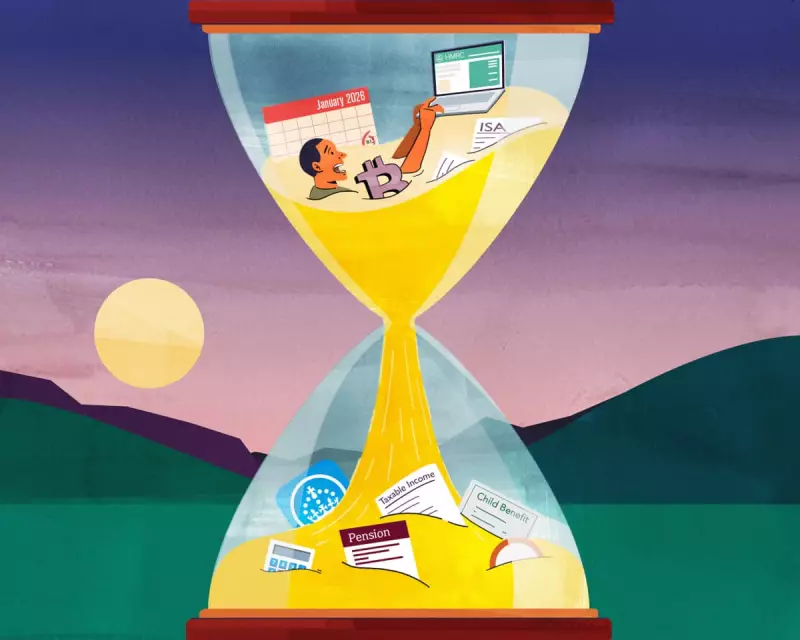
The final deadline for submitting your self-assessment tax return to HM Revenue and Customs (HMRC) is rapidly approaching, with 31 January 2026 as the cut-off point for the 2024-25 tax year. Tax experts and HMRC itself are urging millions of taxpayers across the UK to act now rather than face a last-minute rush that could lead to costly errors or missing information.
Gather Your Documents and Use Digital Tools
One of the most critical first steps is collating all necessary paperwork. This includes your P60, P45, P11D, PAYE coding notices, and any tax certificates for investments. Retrieving these documents may require logging into a company portal or contacting former employers, so starting early is essential to avoid delays.
HMRC strongly recommends using its free and secure app to streamline the process. The app allows users to access their unique taxpayer reference, check employment income details, set payment reminders, and get help from the digital assistant. This route is often significantly faster than searching through physical files or enduring long telephone wait times, especially as HMRC phone lines become increasingly congested closer to the deadline.

Don't Overlook These Common Income Sources
A significant area where people make errors is in declaring additional income. While income from a second employed job is typically taxed at source, money earned from freelance work, casual gigs like dog walking or babysitting, property letting, or trading must be declared. Everyone has a £1,000 trading allowance per tax year. If your total side income exceeded this amount between 6 April 2024 and 5 April 2025, you must register as a sole trader and complete a return.
Similarly, higher interest rates mean more savers are now exceeding their personal savings allowance (£1,000 for basic-rate taxpayers, £500 for higher-rate taxpayers). If you earned over 4% interest, a basic-rate taxpayer with £25,000 in savings or a higher-rate taxpayer with £12,500 could owe tax. Remember, interest from Isas and some NS&I products remains tax-free and doesn't count towards your allowance.
Crypto, Pensions, and Child Benefit: Key Considerations
HMRC is intensifying its focus on cryptoassets like Bitcoin and Ethereum. New international rules effective from 1 January 2025 aim to increase transparency, and for the first time, the self-assessment form has a dedicated section (boxes 13.1 to 13.8) for declaring crypto gains and losses.
Pension tax relief can be another complex area. If you contribute to a 'relief at source' pension scheme, higher and additional-rate taxpayers must claim the extra relief via their tax return. You need to enter the gross contribution amount (e.g., £875 if you paid in £700).
Furthermore, if you or your partner claim Child Benefit and your 'adjusted net income' exceeds £60,000, you are liable for the High Income Child Benefit Charge. This charge is calculated on a sliding scale and must be declared through self-assessment.
Stay Vigilant Against Scams and Seek Help
With the deadline near, HMRC warns taxpayers to be extra vigilant against fraud. The department has reported over 4,800 self-assessment scams since February 2025. HMRC will never text or email to ask for personal/financial details, notify you of a refund, or threaten arrest via voicemail. Suspect communications should be forwarded to phishing@hmrc.gov.uk (emails) or 60599 (texts).
For those needing guidance, HMRC's YouTube channel offers short 'how to' videos covering topics from viewing your tax calculation to making a payment via the app. Taking action now ensures you avoid the late filing penalty of £100 and any interest on unpaid tax, making for a far less stressful start to the new year.






