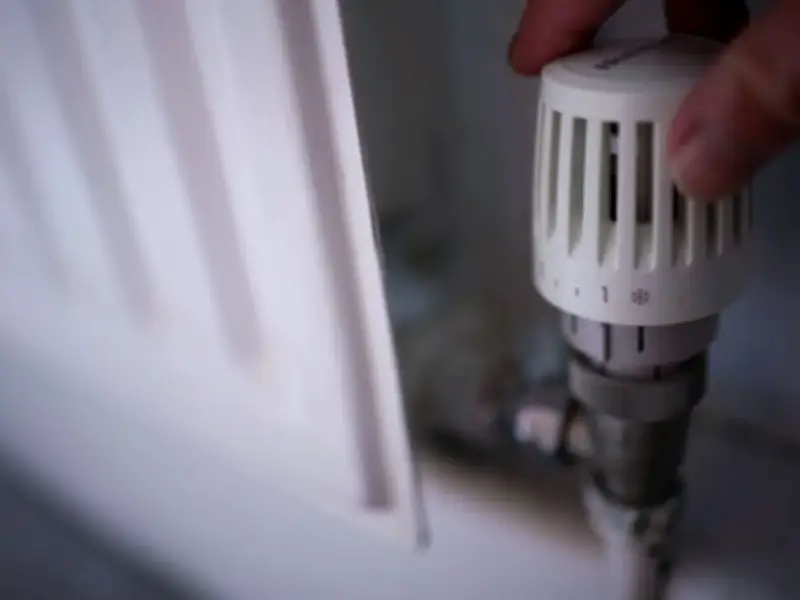
Households are bracing for financial strain this winter as energy bills are set to rise, with the regulator Ofgem expected to raise the price cap to a three-year high. Analysts anticipate that household energy costs will rise following disruptions in wholesale prices caused by the ongoing conflict in the Middle East.
Price cap announcement due Wednesday
On Wednesday, Ofgem will announce the annual energy price cap for the period from October to December for a typical household using gas and electricity in England, Scotland, and Wales. Forecasts suggest that households could see their bills increase by another 4% in this year's latest hike.
Experts attribute this predicted increase to the continued uncertainty surrounding the Middle East conflict, which has elevated wholesale energy prices. Additionally, ongoing heatwaves across Europe have increased gas demand for power generation, as more energy is needed for air conditioning and cooling.
Projections from Cornwall Insight
According to projections from Cornwall Insight, predicted last week that a typical household will face an annual bill of £1,729, up from £1,663. This estimate is based on Ofgem's updated definition of a typical consumer, implemented in July to account for reduced household energy use.
It said this would be the equivalent of £1,941 per year based on its previous calculations, up from £1,862 currently. This increase would represent the highest average bill since July 2023.
Impact of VAT removal and government response
The new energy price cap for October, which will remain in effect for three months, comes as households are expected to increase their energy consumption by using heating more frequently, thereby raising their bills. Cornwall noted that the anticipated rise in October is expected to be less significant than previously predicted due to the proposed removal of VAT from household electricity bills.
Prime Minister Andy Burnham announced that this policy would reduce the annual Ofgem price cap by approximately £45 starting in October. However, experts have indicated that recent fluctuations in global energy prices have more than counterbalanced the downward effect of the VAT removal.
Last week, a Government spokesman said: "Tackling the cost of living remains a key priority for this Government, and we know families will be worried by the prospect of higher energy bills this winter."
"We're acting to give consumers breathing space with the cost of living – cutting VAT on energy bills, ensuring around six million households get the £150 warm home discount this winter, and making millions of homes cheaper to run through our warm homes plan."
"Alongside our efforts to support rapid de-escalation in the Middle East, we will do everything we can to shield consumers from global energy shocks and bring down bills for good."
Concerns over unpaid bills
Trade association Energy UK has raised concerns that customers may accumulate approximately £7 billion in unpaid energy bills by the end of the year. Recent data indicates that over 3 million customers are currently in debt or arrears, with the average amount owed being around £1,800, according to the group.
Energy UK's chief executive, Dhara Vyas, said more targeted support is still needed to help households facing further costs.
She said: "Too many households continue to feel the strain of high energy bills. Instead of relying on stop-gap, ad hoc or emergency measures, we need a better, targeted and more permanent way to give people confidence that they'll get help when they most need it."
"The current arrangements fail to provide the help needed and work out more costly. Household energy prices are set to increase further for British households."