Bank of England Announces Major Redesign for UK Banknotes
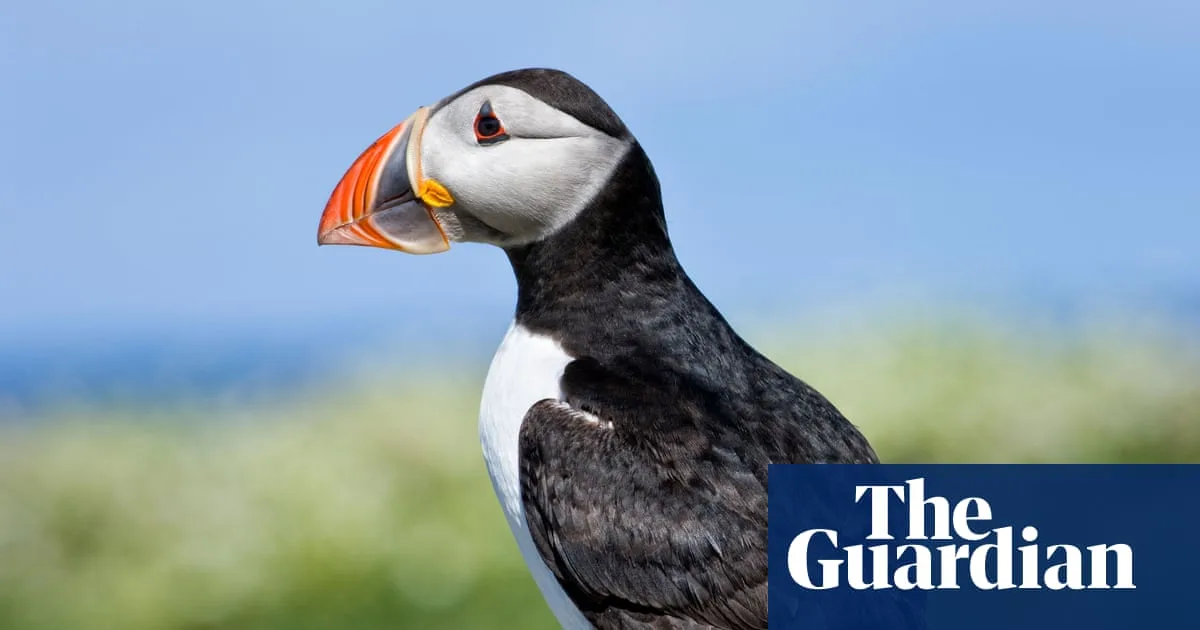
The Bank of England has unveiled plans for a comprehensive redesign of British banknotes, marking a significant departure from tradition. The new series will replace historical figures with images of British wildlife across all denominations – £5, £10, £20 and £50 notes – ending a practice that has endured for more than five decades.
Public Consultation on Wildlife Selection
This summer, the Bank will launch a public consultation inviting citizens to help select which animals and birds should feature on the redesigned currency. A panel of wildlife experts has compiled a shortlist of potential candidates, which will be revealed during the consultation period. The Bank emphasized that this approach not only celebrates the nation's natural heritage but also incorporates advanced security features to combat counterfeiting.
Victoria Cleland, the Bank of England's chief cashier whose signature appears on current notes, expressed enthusiasm about the public engagement: "I was delighted by the level of public engagement during our banknote theme consultation last year. The response underlines how important banknotes remain to people."
Security and Celebration Combined
The primary motivation for introducing new banknote series remains enhancing counterfeit resilience. However, the Bank recognizes this as an opportunity to showcase different aspects of British identity. Cleland added: "Nature is a great choice from a banknote authentication perspective and means we can showcase the UK’s rich and varied wildlife on the next series of banknotes."
The new designs might extend beyond animals to include other natural elements such as plants and landscapes, creating a more comprehensive celebration of Britain's environmental diversity.
Overwhelming Public Support for Nature Theme
Nature emerged as the most popular choice in previous consultations, with approximately 60% of respondents selecting it as one of their preferred themes. This surpassed other options including architecture and landmarks (56%), historical figures (38%), arts, culture and sports (30%), innovation (23%), and important milestones (19%). The consultation attracted 44,000 responses through surveys and focus groups.
Expert Panel and Cultural Significance
The selection panel includes prominent wildlife experts such as filmmakers Gordon Buchanan and Miranda Krestovnikoff, presenter Nadeem Perera, Katy Bell from Ulster Wildlife, and academics Steve Ormerod and Dawn Scott.
Perera highlighted the cultural importance of this change: "The wildlife of the UK is not separate from our culture. It sits in our football crests, our folklore, our coastlines and our childhoods. Giving it space on something as symbolic as our currency feels both overdue and significant."
Transition Timeline and Current Notes
Although the final decision rests with the Bank's governor, the new wildlife-themed notes are not expected to enter circulation for several years. The current series features historical figures who will be replaced:
- £5 note: Winston Churchill, featuring a portrait based on Yousuf Karsh's 1941 photograph "The Roaring Lion"
- £10 note: Jane Austen, with a portrait derived from an 1870 engraving by her nephew
- £20 note: J.M.W. Turner, displaying the artist's 1799 self-portrait
- £50 note: Alan Turing, featuring a portrait based on a 1951 photograph by Elliott and Fry
Support from Conservation Organizations
The Royal Society for the Prevention of Cruelty to Animals (RSPCA) has enthusiastically endorsed the potential inclusion of wildlife on banknotes. In a recent statement, the charity declared: "Wildlife on our banknotes? We’re so here for it! We absolutely love the idea of celebrating our local species on a national scale."
This redesign represents one of the most significant changes to British currency design in generations, combining enhanced security measures with a celebration of the nation's natural heritage through extensive public participation.






