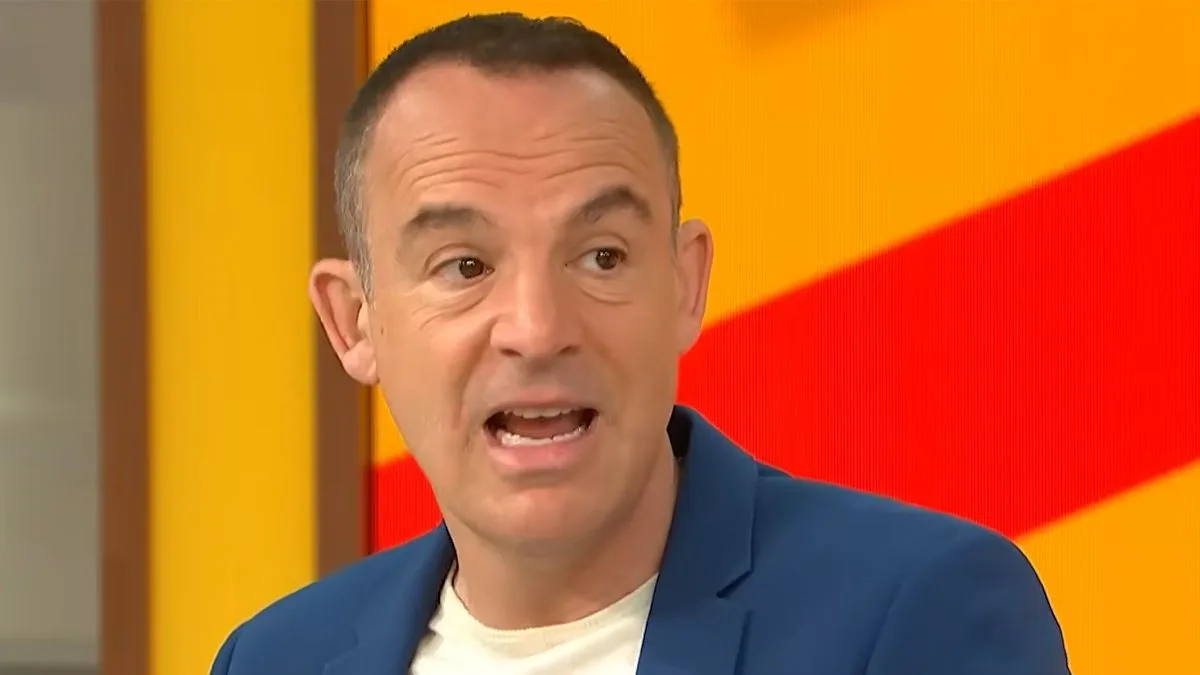
Martin Lewis: HMRC Rule Means 'Many' Overpay Tax on Savings
Martin Lewis warns many are overpaying tax on savings

Consumer champion Martin Lewis has issued a stark warning that a specific HMRC rule could be leading a significant number of people, particularly those retiring, to pay more tax on their savings than they legally should.

The Crucial Tax Trigger on Savings Interest

Speaking on his BBC podcast, the founder of Money Saving Expert clarified a key principle that many savers misunderstand. The point at which savings interest becomes liable for tax is the moment it first becomes accessible to you, not necessarily when it is paid.

Mr Lewis explained that for instant-access accounts, interest is taxable "at the moment it is paid" as it is immediately available. However, for fixed-rate savings products, the rules differ. "Let's imagine a fixed savings account where you've got a two-year fix... but the interest is paid annually," he said. "Many people think the money has been paid, therefore it accrues at that point. It doesn't."

He emphasised that if the interest is added to the account but the money remains locked away, that interest is not taxable until the end of the fixed term, when you can first access it.

Why This Could Lead to Overpayment

The issue arises from how this rule interacts with tax codes and reporting. For individuals earning less than £10,000 in interest who do not complete a self-assessment tax return, savings providers notify HMRC of interest paid. HMRC then adjusts the individual's tax code to collect the tax owed.

"My concern is they often report interest when it is paid but on some accounts, it should be interest when it is accessible," Mr Lewis stated. This mismatch in timing can create problems, especially for those whose income tax rate changes during the term of a fixed savings account.

He gave a detailed example: a person on a higher 40% income tax rate opens a three-year fixed account paying monthly interest, then retires the following year. In retirement, they become a basic 20% rate taxpayer. If the provider reports the interest annually and HMRC taxes it in the year it's paid, the saver could be charged 40% on interest that should technically accrue in the third year, when they are only liable to pay 20%.

Understanding Your Savings Allowances

Mr Lewis's warning underscores the importance of knowing your personal savings allowances. The rules state:

  • Basic-rate taxpayers can earn up to £1,000 per year in interest tax-free.
  • Higher-rate taxpayers have a £500 annual tax-free allowance.
  • Additional-rate taxpayers receive no personal savings allowance and pay 45% tax on all savings interest.

There is also a starter rate for savings, allowing up to £5,000 in annual interest tax-free, but this reduces by £1 for every £1 of income above the £12,570 personal allowance, vanishing entirely once earnings reach £17,570.

Savings held within an Individual Savings Account (ISA), with an annual deposit limit of £20,000, remain completely tax-free, shielding both interest and investment growth from HMRC.

A Widespread but 'Niche' Problem

Mr Lewis revealed that his team is actively investigating the scale of this problem. "We believe... that many people are in that relatively niche circumstance, paying too much tax on their savings because it's been reported when it's been paid, not when it's accrued," he said.

The automated nature of the tax collection process means individuals may never spot the error. "As HMRC does it automatically, people don't see this," he added, urging savers, particularly those who have recently retired or are nearing retirement, to scrutinise their savings and tax positions carefully.




