
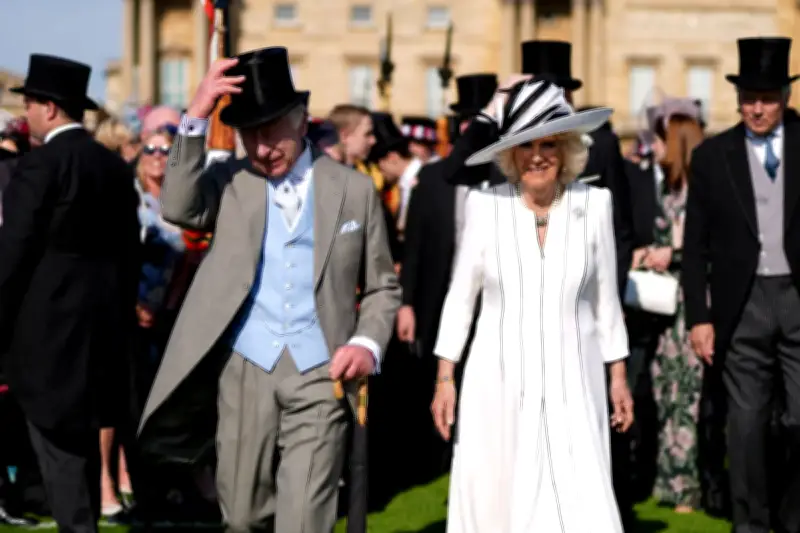
King Charles has faced criticism from a London Labour grandee after deciding not to live in Buckingham Palace following its £370 million refurbishment. Baroness Margaret Hodge, the former MP for Barking, believes it is a “problem” that such vast sums of money have been spent on the Royal palace upgrade but that it will no longer be used as a residence for the Monarch.
“They've spent £370 million on doing up Buckingham Palace. They're now not going to move back there,” she told ITV’s Good Morning Britain. Pressed whether she viewed that as a problem, Dame Margaret, the former chair of the Commons public accounts committee, added: “I think it is.”
Royal Sources Defend Decision
However, Royal sources argue that the Monarch has not lived at Buckingham Palace for a number of years and most people would not have noticed any difference. Queen Elizabeth II last stayed overnight at the palace on March 18 2020 and the following day released a message to the nation, written from Windsor Castle, a few days before the first Covid lockdown was announced.
The palace will remain the operational centre of “monarchy HQ” but Charles and Queen Camilla have decided to stay living in Clarence House as their London home. James Chalmers, Keeper of the Privy Purse, said: “After careful consideration, and to greatly increase opportunities for public access, the King and Queen have decided not to adopt Buckingham Palace as a personal residence and will instead continue to use Clarence House as their London home.”
“Their Majesties will, however, have access to private rooms within the palace where they can retire during the course of a working day, and which could be utilised as potential residential accommodation in times ahead.”
Historical Context and Refurbishment Details
Queen Victoria was the first monarch to use Buckingham Palace as the official seat of court in 1837 and after marrying Prince Albert transformed the palace to accommodate their growing family, entertain guests and conduct official business. The palace has been undergoing a 10-year reservicing project replacing boilers, electrical cables and pipes costing £369 million to reduce the fire and flood risk which is due to be completed next March.
The King also became the first monarch to publish his tax bill, £12.9 million for 2024-25, putting him among the country’s top 100 taxpayers that financial year, and £11.7 million for 2023-24, with more than £30 million in total paid in tax by Charles since becoming King in 2022.
Sovereign Grant and Royal Finances
The Sovereign Grant, which funds Charles’s official duties and the work of his household, increased by £45.8 million to £132.1 million in 2025-26. The grant has a core element covering the cost of things such as travel, property maintenance and payroll and this has almost doubled in three years increasing from £51.8 million in 2024-25 to £99.9 million in 2027-28.
The Prince of Wales released his tax details for the first time paying £7.76 million in income and capital gains tax in 2024-25, and £8.34 million in 2023-24. William undertook the most expensive official overseas trip, making a round trip by charter plane to Saudi Arabia in February at a cost of £130,106, including separate staff planning visit.
Criticism of Royal Tax Arrangements
Dame Margaret criticised the Royals’ tax arrangements, particularly over the Duchy of Cornwall and the Duchy of Lancaster vast estates. She said: “Their personal taxation shouldn't be a concern of us. What I am bothered about is that they get the sovereign grant, they get money from the Crown Estate, and then they have these two big pots of money, they have the Duchy of Cornwall and the Duchy of Lancaster. Now, in my view, those are both public pots of money. The Royal Family doesn't agree with me. They were given to the Royal Family in the 13th century by Edward III as a sovereign grant, so I think they should still be part of the public pot, and if you put all that together, it's one heck of a lot of money.”




