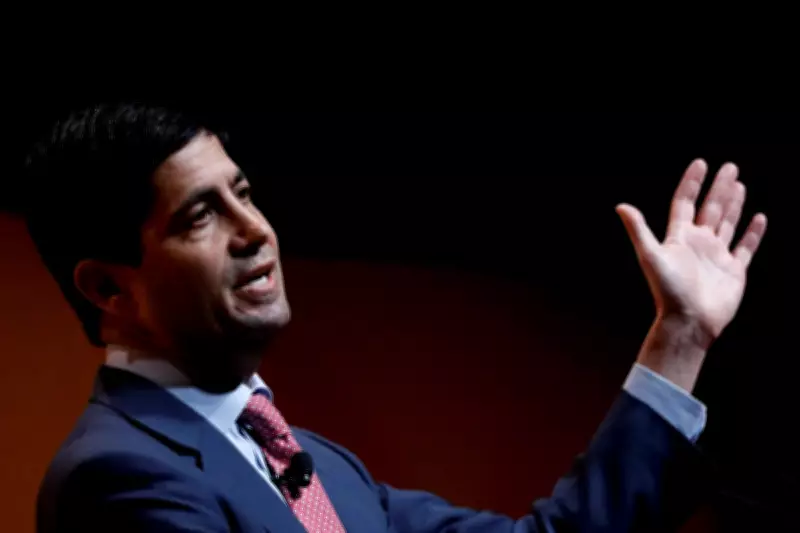
Kevin Warsh, the "hard money hawk" anticipated to succeed Jerome Powell as Federal Reserve chair, has emerged as President Trump's top choice, sparking debates over central bank independence and economic policy shifts. The finance prodigy, known for his calls for "regime change" at the Fed, brings a complex blend of Republican credentials and personal ties to the Trump administration, setting the stage for a contentious nomination process.
Warsh's Stance on Interest Rates and Fed Independence
Warsh, 55, has aligned himself with Trump's criticism of the current Fed leadership, particularly advocating for more aggressive interest rate cuts. In a July interview with CNBC's Squawk Box, he remarked, "Their hesitancy to cut rates, I think, is actually ... quite a mark against them," and endorsed the president's public pressure on the Fed. This stance has raised concerns in Congress, as the Federal Reserve is traditionally designed to operate independently from White House direction, yet Warsh's openness to lowering rates suggests a potential shift towards greater political influence over monetary policy.
Background and Early Career
Appointed to the Federal Reserve Board of Governors in 2006 at just 35 by President George W. Bush, Warsh became the youngest-ever nominee, facing initial opposition due to his age. Ben Bernanke, former Fed chair, later praised Warsh in his 2015 memoir, noting that his "political and markets savvy and many contacts on Wall Street would prove to be invaluable." Warsh's educational background includes studies at Stanford, Harvard, and MIT, and he rose rapidly through Morgan Stanley in New York City before serving as Special Assistant to the President for Economic Policy under Bush, where he advised on domestic finance and consumer protection issues.

Role in the 2008 Financial Crisis
During the 2008 financial crisis, Warsh played a pivotal role, including negotiating a deal to rescue his former employer, Morgan Stanley, from collapse. He was not afraid to take controversial positions, such as arguing in 2009 for a more hands-off Fed approach to economic recovery and expressing skepticism in 2010 about using low interest rates to stimulate jobs and growth. His past advocacy for free trade and opposition to protectionism, highlighted in a 2011 Wall Street Journal op-ed, has drawn scrutiny from MAGA supporters concerned about alignment with Trump's tariff agenda, though he adopted a tougher line on trade in 2024.
Personal Connections and Political Dynamics
Warsh's personal connections to President Trump are significant: he is married to Jane Lauder, a billionaire granddaughter of Estée Lauder, and his father-in-law, Ronald Lauder, is a long-time friend of Trump. These ties, combined with his participation in Trump's 2016 business forum for economic advice, bolster his candidacy. However, his expected nomination may face hurdles in the Senate, with Republican Senator Thom Tillis vowing to block any Trump nominees to the Fed's board in response to a Department of Justice investigation into Jerome Powell.
Current Activities and Future Implications
Currently, Warsh serves on several company boards and is a scholar and lecturer at the Stanford Graduate School of Business. His blend of Wall Street experience, academic insight, and political alliances positions him as a figure who could reshape Fed policy towards lower interest rates, albeit amid ongoing debates over central bank autonomy and economic strategy in a volatile global landscape.