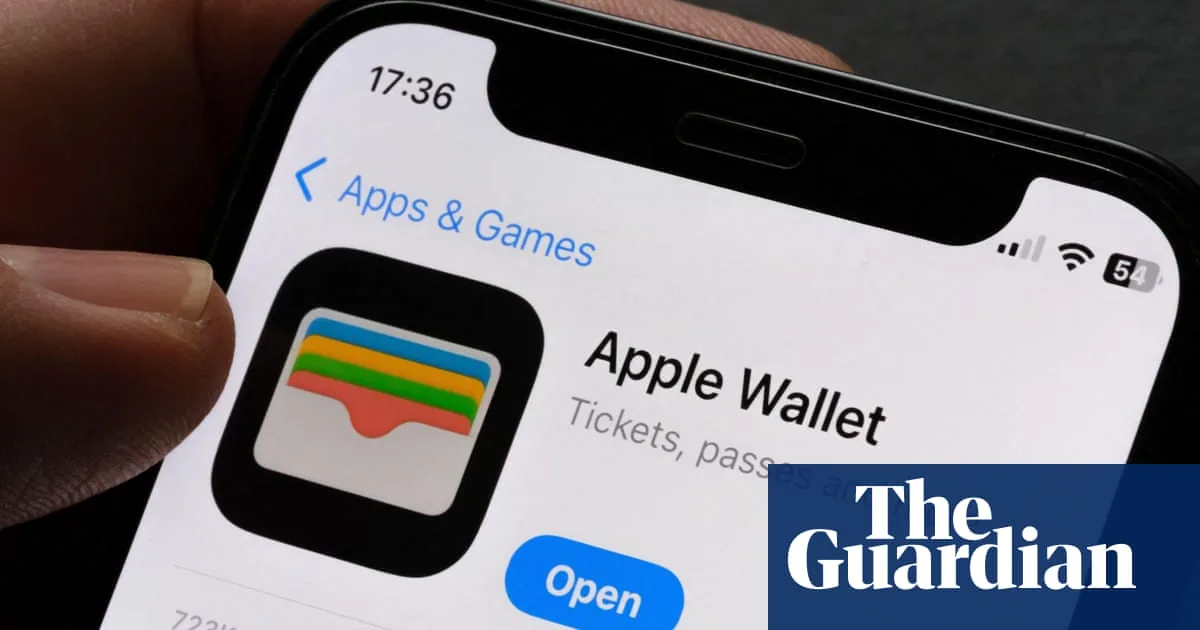
The financial campaigner James Daley has initiated a groundbreaking £1.5bn class action lawsuit against Apple in the United Kingdom, targeting the tech giant's mobile phone wallet, Apple Pay. Daley, who founded the advocacy group Fairer Finance, asserts that Apple engaged in anti-competitive practices by blocking rival services and imposing hidden fees, which have allegedly inflated costs for approximately 50 million UK consumers over the past decade.
Allegations of Anti-Competitive Conduct
Daley's legal challenge centres on the claim that Apple Pay has been the sole contactless payment option available to iPhone users in Britain, effectively shutting out competition. This monopoly, according to the lawsuit, enabled Apple to charge undisclosed fees to banks and card issuers for transactions processed through Apple Pay. These fees are described as not aligning with standard industry practices, with similar charges notably absent on Android devices developed by Google.
Impact on Consumers and Banks
The lawsuit argues that the additional costs incurred by banks were ultimately passed on to consumers through increased charges on a wide array of personal banking products. These include current accounts, credit cards, savings accounts, and mortgages. Shockingly, Daley emphasises that this financial burden extends beyond just Apple Pay users or iPhone owners, affecting nearly all UK banking customers. The legal filing estimates that around 98% of consumers are exposed to banks that have integrated their cards with Apple Pay, suggesting the vast majority of the population may have been impacted.
Legal Proceedings and Regulatory Context
This case marks the first UK legal challenge specifically addressing Apple's conduct related to Apple Pay. It has been formally submitted to the Competition Appeal Tribunal, which will now determine whether the class action can proceed to trial. The lawsuit emerges against a backdrop of increased regulatory scrutiny, with bodies such as the Competition and Markets Authority and the Payments Systems Regulator already examining digital wallet services within the tech industry in recent months.
Statements from Both Sides
In response to the allegations, Apple has issued a statement dismissing the lawsuit as "misguided and should be dismissed." The company defends Apple Pay as a "seamless and secure way for users to make contactless payments," highlighting that it is just one of many payment options available to consumers. Apple asserts that it does not charge fees directly to consumers or merchants for using Apple Pay and points out that banks benefit from offering the service, particularly through enhanced fraud reduction measures.
Furthermore, Apple notes recent technological advancements, such as the integration of near-field communication (NFC) and secure element (SE) application interfaces, which allow third-party developers in the UK to enable contactless transactions from their own applications. The company reiterates its commitment to ensuring UK customers have access to a variety of payment choices in a safe and secure environment.
Campaigner's Motivation and Potential Outcomes
James Daley has expressed his determination to hold large corporations like Apple accountable for what he perceives as unfair treatment of consumers. He stated, "I'm bringing this claim because consumers have been treated unfairly, and I want to help them get back what they're owed. It's also important that big firms like Apple are held to account for this kind of anti-competitive behaviour." While the lawsuit might result in an average compensation of around £26 per affected consumer, Daley emphasises the broader principle of stopping practices that quietly increase banking costs over many years.
The outcome of this legal battle could have significant implications for the fintech sector and consumer rights in the UK, potentially setting a precedent for how digital payment services are regulated and challenged in court.