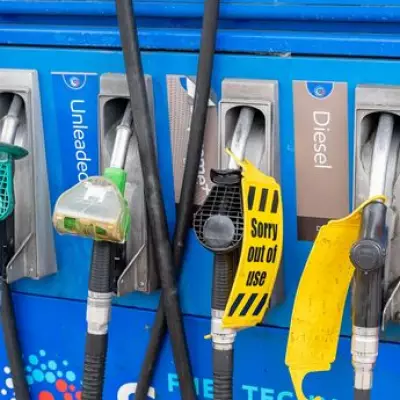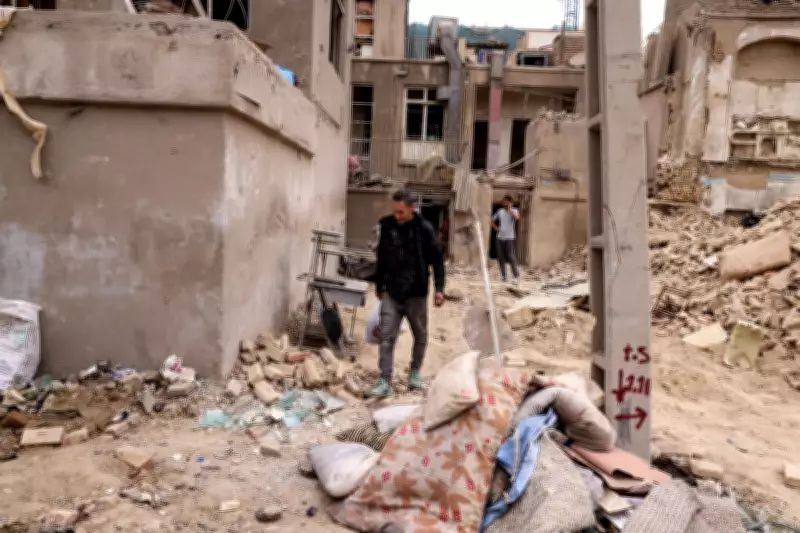
The escalating military confrontation between the United States and Iran has triggered profound global anxiety regarding skyrocketing energy expenses. With no clear resolution in sight, this Middle Eastern conflict continues to destabilise international oil and gas markets, fuelling inflationary pressures and placing immense strain on household budgets worldwide.
Diplomatic Stalemate Prolongs Economic Uncertainty
US Energy Secretary Chris Wright recently projected on ABC's This Week that hostilities might conclude "within the next few weeks." However, this optimistic forecast contrasts sharply with the entrenched positions of key leaders. Pope Leo has issued a direct plea for an immediate ceasefire in the Gulf region, urging all parties to pursue peace.
Nevertheless, US President Donald Trump informed NBC that he remains "not ready" to agree to a ceasefire with Iran, asserting that "the terms aren't good enough yet." Concurrently, Iranian Foreign Minister Abbas Araghchi stated unequivocally to CBS News that his nation has not requested a ceasefire and is prepared to defend itself indefinitely. Further complicating the outlook, Israeli military preparations reportedly anticipate at least three additional weeks of operations within Iran, signalling a protracted conflict.

International Emergency Responses to Energy Crisis
In response to the severe disruption of global energy supplies, governments across the planet are enacting a diverse array of emergency measures designed to insulate consumers from the worst effects of price surges. These interventions range from subsidy increases and tax cuts to strategic reserve releases and production mandates.
Asia-Pacific Nations Take Decisive Action
India has invoked emergency powers, prohibiting consumers with piped natural gas from obtaining or refilling domestic LPG cylinders. The government has directed refiners to maximise LPG production—a critical cooking fuel—while reducing industrial sales to prevent shortages for its 333 million households with LPG connections.
South Korea is easing restrictions on coal-fired power generation and boosting nuclear plant utilisation to 80%. Authorities are also considering additional energy vouchers for vulnerable households.
China has banned refined fuel exports to avert domestic shortages and is releasing fertiliser supplies from national reserves ahead of the spring planting season.
Australia is releasing petrol and diesel from its domestic reserves to alleviate shortages impacting rural supply chains, mining, and agriculture.
Japan has formally requested that Australia, its primary LNG supplier, increase output to help stabilise supplies.
European and Global Initiatives Gain Momentum
The European Commission is instructing member states to apply flexibility in enforcing EU gas import rules, fearing strict compliance could delay crucial LNG deliveries needed to secure stable supplies.
Italy's Prime Minister Giorgia Meloni has announced the government is considering excise duty cuts on fuel to soften prices and is prepared to raise taxes on firms profiteering from the energy crisis.
In Malaysia, spending on petrol subsidies will surge to 2 billion ringgit ($510 million) from 700 million ringgit to maintain fixed fuel prices.
The Philippines plans to curb power bills by boosting coal-fired generation and regulating electricity tariffs as LNG prices climb.
Americas and Africa Implement Protective Measures
Brazil's President Luiz Inacio Lula da Silva has signed a decree eliminating federal taxes on diesel to provide immediate relief.
Egypt has imposed a price cap on unsubsidised bread sold in private bakeries, a direct response to broader inflationary pressures.
Ethiopia has significantly increased its fuel subsidies to protect consumers from global market volatility.

As the Iran-US war continues to ripple through the global economy, these coordinated and unilateral government actions underscore the urgent international effort to shield ordinary households from the escalating financial burden of energy insecurity. The effectiveness of these diverse policies will be closely monitored as geopolitical tensions persist.