

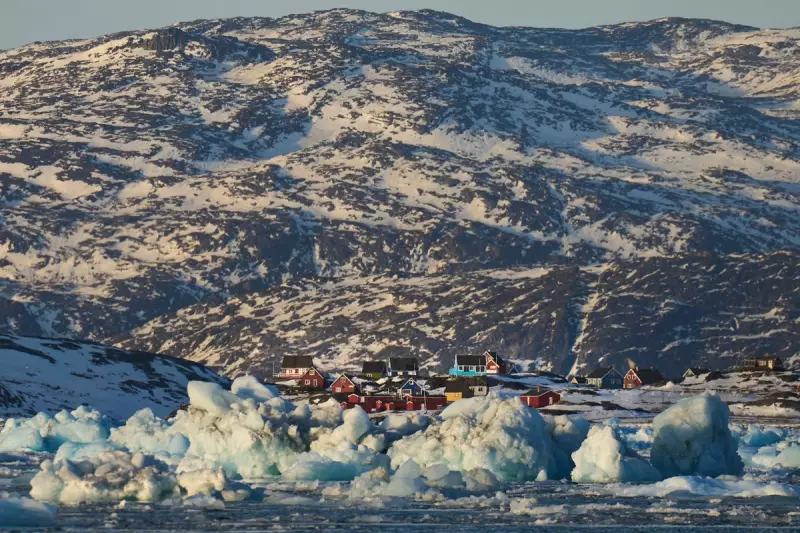
Beneath the vast ice sheets of Greenland lies a geological treasure chest of almost unimaginable value, positioning the world's largest island at the heart of both the green energy transition and intensifying geopolitical interest. The concentration of critical raw materials, from lithium to rare earth metals, alongside massive hydrocarbon reserves, is directly tied to a uniquely varied four-billion-year geological history.
A Geological Powerhouse Forged Over Billions of Years
Greenland's resource wealth is extraordinary in its diversity and scale. It hosts critical raw materials essential for manufacturing batteries, wind turbines, and electric vehicles, including rare earth elements (REEs) like neodymium and dysprosium. Three major REE deposits buried under the ice are potentially among the largest on Earth by volume. Furthermore, the US Geological Survey estimates the onshore northeast could hold around 31 billion barrels of oil-equivalent, a volume comparable to America's entire proven crude reserves.
What makes Greenland so special is that, geologically, it has experienced all three key processes that generate natural resources: mountain building, rifting, and volcanic activity. This has created everything from diamond-bearing kimberlite pipes discovered in the 1970s to ruby deposits and vast stores of graphite, a crucial component for lithium-ion batteries currently underexplored compared to major producers like China.

The Critical Minerals Driving Global Demand
The island is predicted to hold sub-ice reserves of dysprosium and neodymium sufficient to satisfy over a quarter of future global demand—a combined total nearing 40 million tonnes. These elements are indispensable for permanent magnets used in wind power generation, electric motors for clean transport, and high-temperature settings like nuclear reactors. Their relative scarcity globally means that developing known deposits, such as Kvanefjeld in the south, could significantly sway the international REE market.
Much of this mineral wealth originates from periods of rifting, most notably the formation of the Atlantic Ocean beginning over 200 million years ago. Onshore sedimentary basins like the Jameson Land Basin show strong analogies to Norway's hydrocarbon-rich shelf, while research suggests extensive petroleum systems may ring Greenland's entire offshore area.
The Unfortunate Climate Dilemma
Here lies a profound paradox central to Greenland's future. The global shift to green energy, necessitated by climate change, requires the very resources locked under Greenland's ice. Yet, extracting them at scale could exacerbate the warming that is already melting the ice sheet—an area the size of Albania has been lost since 1995—potentially despoiling pristine landscapes and accelerating sea-level rise.
Advances in technology, such as ground-penetrating radar, now allow scientists to map bedrock topography beneath up to two kilometres of ice, revealing more about the hidden resources. However, sustainable extraction remains a monumental challenge. While Greenland's government maintains comprehensive legal frameworks from the 1970s to regulate all mining, pressure is mounting, particularly from the United States, to grant new exploration licences and loosen controls.
The question now facing the world is stark: should Greenland's increasingly accessible resources be exploited with vigour to fuel the energy transition, even if doing so contributes to further climate impacts? The answer will define not only the future of the island's 56,000 inhabitants but also the trajectory of the global clean energy race.






