With January's bitter cold snap and a rising energy price cap squeezing household budgets, many across the UK are hesitant to switch on the central heating. The good news is that a warmer, more comfortable home doesn't have to mean soaring bills. By implementing a few simple, low-cost changes, you can significantly reduce heat loss and create a cosier living environment.
Smart Strategies to Trap Heat and Reduce Draughts
Keeping your house warm without relying heavily on heating centres on two key principles: preventing heat from escaping and directing warmth to where you need it most. Start with your windows. They act as natural sun traps, so make a habit of opening curtains during daylight hours and closing them tightly before sunset to trap the accumulated warmth. Ensure curtains fully cover the window and, if they hang over a radiator, tuck them behind it so heat can circulate into the room.
Your soft furnishings and furniture layout are powerful, inexpensive tools. Thick, lined curtains, heavy rugs, and plush throws add layers of insulation. Thoughtfully rearranging your space can also make a big difference: move seating away from draughty windows and ensure sofas aren't blocking radiators. Creating a 'cosy zone' with furniture grouped on a rug helps contain warm air in the areas you use most.

Don't forget the floors. Hard surfaces can account for 10-20% of a home's heat loss, according to the Energy Saving Trust. If your rugs are thin, add an insulating underlay made of felt, wool, or foam. Sealing gaps between floorboards with flexible filler is another effective, budget-friendly fix.
Low-Cost Insulation and Everyday Habits
For poorly insulated homes, draught-proofing is the first and most impactful step. Check for gaps around doors, windows, floorboards, letterboxes, and chimneys. Inexpensive solutions like self-adhesive sealing strips, brush strips for doors, letterbox covers, and removable chimney balloons can be remarkably effective. The Energy Saving Trust estimates these measures could save around £85 a year.
Also, ensure your heating system is working efficiently. If your radiators have cold spots at the top, they likely need bleeding. A simple radiator key, costing about £3, can release trapped air and help them heat up properly, preventing the urge to turn up the thermostat unnecessarily.
Simple daily habits contribute to a warmer feel. Dry air can make a room feel chillier, so boosting humidity helps. Air-drying laundry indoors, keeping houseplants, or placing a bowl of water near a radiator can take the edge off. In the kitchen, simmering a pot of water with herbs or spices adds both warmth and a comforting scent.
The Cheapest Ways to Heat People, Not Spaces
With the Ofgem price cap rising slightly in January, choosing how to heat your home is crucial. Currently, gas remains cheaper than standard-rate electricity, so using gas central heating for broader warmth is generally more cost-effective than electric heaters. Running a 12 kW boiler costs roughly 71p per hour, while a 24 kW model is about £1.42 per hour.
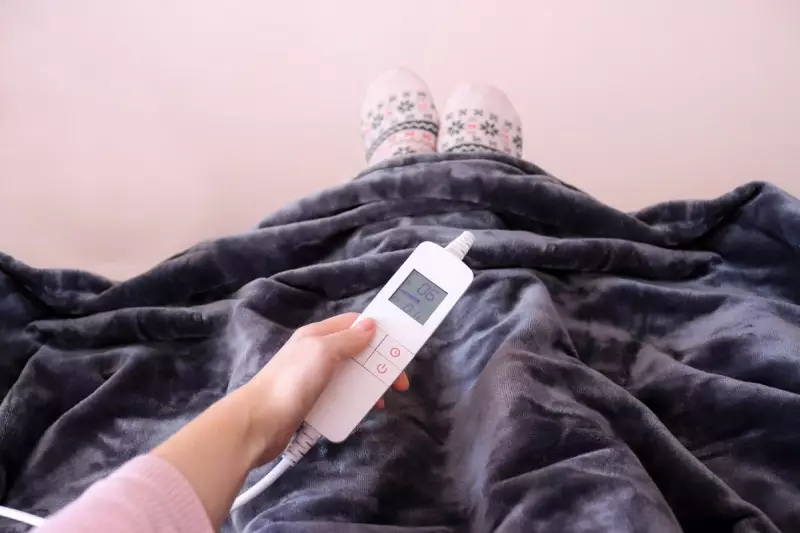
However, the most savings come from a targeted approach, often summarised as "heat the human, not your home." Instead of warming every room, focus on the spaces you actually use by closing doors to unused areas. The cheapest solutions directly warm you: wearing multiple light layers, using a hot water bottle, or snuggling under an electric blanket or heated throw. According to Money Saving Expert, electric blankets can run for as little as 2p per hour.
For short-term, targeted warmth in a single room, small portable heaters like oil-filled radiators or ceramic PTC heaters are efficient options, costing approximately 37-50p per hour to run. Combining these personal heating methods with effective draught-proofing and insulation allows you to maintain comfort without resorting to constant central heating, keeping both your home and your wallet warmer this winter.