

Vietnam and Russia Seal Nuclear Power Plant Agreement as Regional Energy Security Concerns Intensify
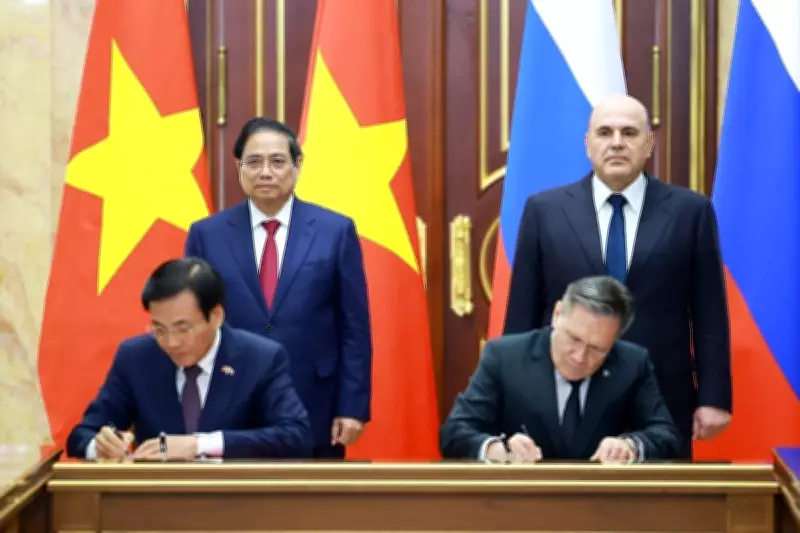
Vietnam and Russia have inked a significant deal to build a nuclear power plant, marking a resurgence of Hanoi's nuclear aspirations amidst escalating energy security worries across Southeast Asia. The agreement, signed during Prime Minister Phạm Minh Chính's official visit to Moscow, underscores a strategic move to bolster long-term power stability while reducing greenhouse gas emissions.
Revival of Nuclear Ambitions
The deal for the Ninh Thuan 1 plant, as reported by Vietnamese state media, follows the shelving of two similar projects in 2016 due to soaring costs and safety apprehensions. During meetings with Russian Prime Minister Mikhail Mishustin, both nations hailed the plant as a "symbolic project" emblematic of their enduring friendship, according to Vietnam's official government newspaper.
This initiative aligns with Vietnam's broader economic vision to achieve prosperity by 2050, positioning itself as Asia's next "tiger economy." The plan involves constructing two Russian-designed reactors with a combined capacity of 2,400 megawatts, modelled after an existing facility in Russia.

Energy Security Drivers
Concerns over energy security have been amplified since the war in Iran precipitated a global energy shortage, driving up the cost of imported fossil fuels and heightening the urgency for Hanoi to secure stable, long-term power sources. Across Southeast Asia, rapidly expanding economies are increasingly turning to nuclear power for cleaner and more dependable energy solutions.
Proponents argue that nuclear energy offers lower emissions compared to coal, oil, and gas, with advancements in technology rendering reactors safer, more compact, and cost-effective to build. Beyond nuclear energy, the discussions in Moscow also encompassed expanded cooperation in oil and gas, technology, and infrastructure sectors.
Historical and Economic Context
Vietnam and Russia have maintained diplomatic relations since 1950, rooted in Cold War-era ties. However, economic linkages remain relatively modest, with trade increasing from $3.63 billion in 2023 to $4.77 billion in 2025—still significantly lower than Vietnam's trade volumes with China and the United States.
Russia continues to be a crucial arms supplier to Vietnam, though Hanoi is actively seeking to diversify its sources. This nuclear deal represents a strategic enhancement of bilateral relations, potentially paving the way for deeper economic and technological collaboration in the future.






