
As Tajikistan prepares to celebrate 35 years of independence, the country reflects on a journey from civil war to relative stability. President Emomali Rahmon, in power since 1992, remains a dominant figure, with his portraits adorning public spaces from bazaars to swimming pools.
The Panjshanbe Bazaar in Khujand bustles with activity early in the morning, where vendors sell cabbages and pigeons gather near the mosque. The weekly animal market is in full swing, offering parakeets, rabbits and hedgehogs, while cockfighting draws crowds in the parking lot.
Tajikistan, the poorest of the 15 post-Soviet states, endured a five-year civil war after independence. Today, the country is peaceful but heavily reliant on remittances from workers in Russia. Soviet-era infrastructure and Cyrillic script remain common, though efforts to forge a national identity are evident.
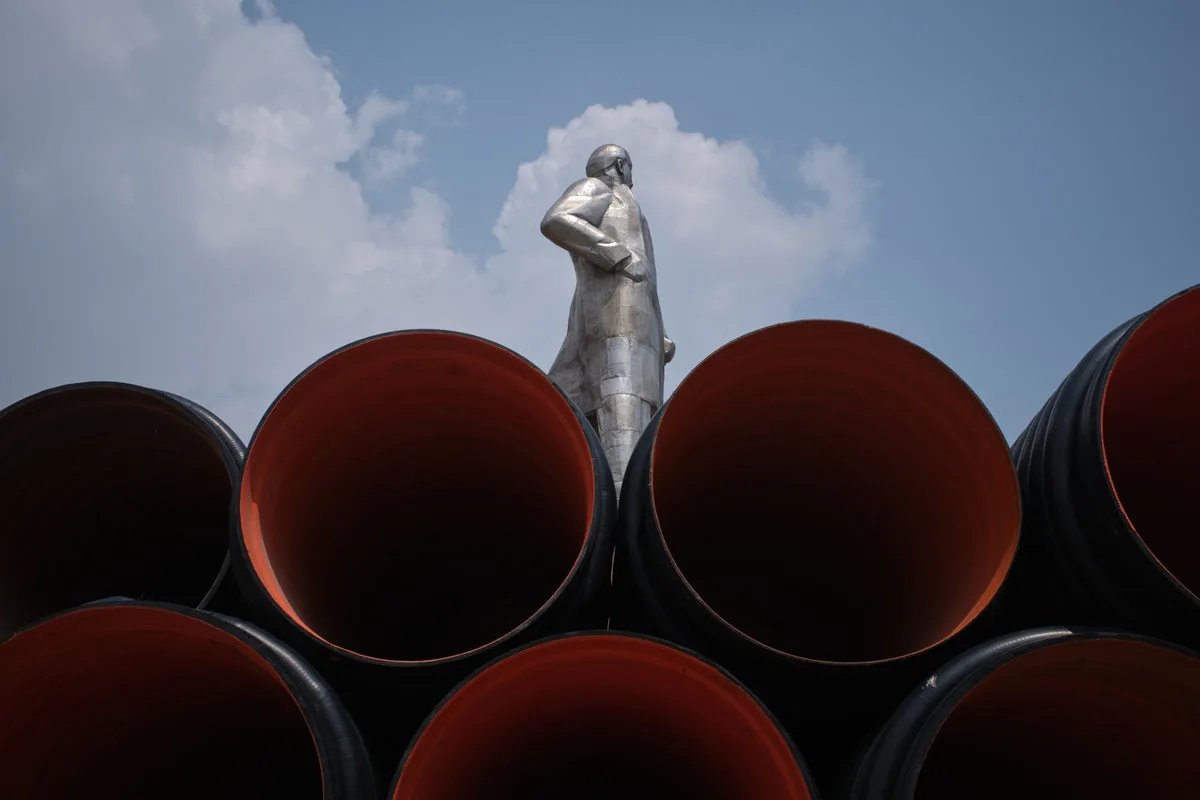
In Khujand, a statue of Vladimir Lenin was moved from the city centre to the outskirts in 2011, now standing between a muddy field and a gravel road. The country received 1.8 million tourists in 2025, mostly from other former Soviet states, with visitors from English-speaking countries still rare.
At a local school, girls in uniform polished a facade bearing a banner celebrating independence and a quote from the poet Rudaki: “Whoever has not learned from the passing of time will also not learn from any teacher.”




