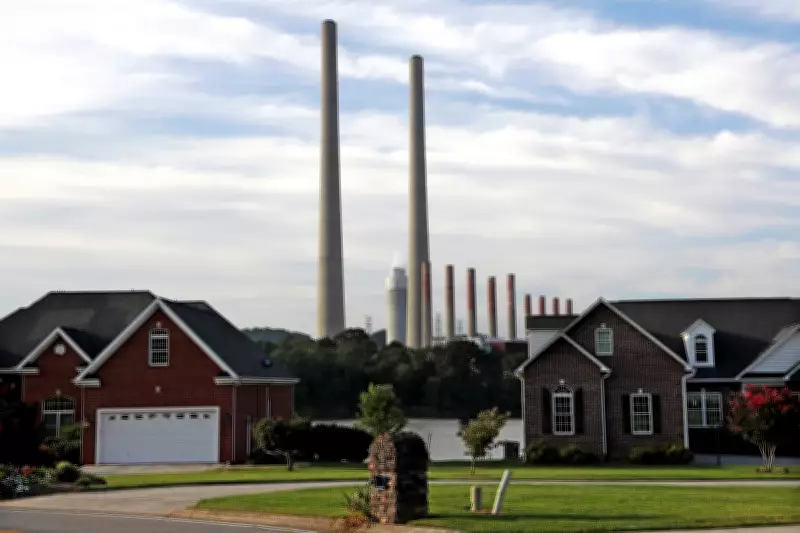
US's Largest Public Utility Reverses Course on Coal Plant Closures
The Tennessee Valley Authority (TVA), the nation's largest public utility, has announced a significant policy shift, stating it now prefers to continue operating two coal-fired power plants it had previously planned to shutter. This reversal comes just ahead of a scheduled board meeting, where a majority of members were appointed by the coal-friendly Trump administration.
Regulatory Changes and Rising Demand Drive Decision
In new regulatory filings, TVA indicated it intends to abandon closure dates for the Kingston Fossil Plant and Cumberland Fossil Plant in Tennessee, a move that would require formal board approval. The utility had aimed to close its remaining aging coal plants by 2035 to reduce greenhouse gas emissions contributing to climate change. However, TVA cited changing regulations and escalating electricity demand as reasons for reconsidering the closures. The utility partners with local power companies to serve approximately 10 million people across seven states.
"As power demand grows, TVA is looking at every option to bolster our generating fleet to continue providing affordable, reliable electricity to our 10 million customers, create jobs and help communities thrive," a spokesperson stated on Tuesday. The new proposal still includes introducing natural gas-fired plants at both locations but would drop planned solar additions.

Clean Energy Groups Voice Strong Opposition
Environmental advocates have sharply criticized the decision, arguing it undermines TVA's commitment to cleaner energy. "Without even a public meeting, TVA is telling the people who live near these coal plants that they will breathe in toxic pollution from not one, but two major power plants for the foreseeable future," said Gabi Lichtenstein of Appalachian Voices. "This decision is salt in the wound after ignoring widespread calls for cleaner, cheaper replacements."
Critics note that TVA had previously stated more natural gas plants were necessary to retire polluting coal facilities, raising questions about the consistency of its decision-making process.
Political Influence and Board Dynamics
The reversal occurs amid a backdrop of political influence. President Donald Trump previously fired enough TVA board members to leave the utility without a quorum, limiting its ability to initiate new programs or change direction. After Trump signed executive orders supporting the coal industry, TVA's leadership indicated it would reevaluate coal plant lifespans. The U.S. Senate confirmed four Trump board nominees in December, restoring the quorum just before Wednesday's scheduled board meeting in Kentucky.
Data Center Boom Fuels Electricity Demand
A key factor in TVA's decision is the rapid growth of data centers supporting artificial intelligence, which has spiked electricity consumption. TVA President and CEO Don Moul recently noted that data center demand accounted for 18% of its industrial load in 2025 and is expected to double by 2030. This surge has pressured the utility to maintain reliable power sources, even as it faces criticism for not accelerating transitions to solar and renewables.
Specific Plant Details and Historical Context
Kingston Fossil Plant: A 2,470-megawatt coal plant completed in 1955, it was the site of a massive coal ash spill in 2008. Under a 2024 plan, it was slated to close by end-2027, replaced by a 1,500-megawatt natural gas facility with solar and battery storage. The new proposal retains coal, gas, and batteries but eliminates solar.
Cumberland Fossil Plant: Completed in 1973, this 2,470-megawatt facility is TVA's largest generating asset. A 2023 decision planned to mothball it in stages, with a 1,450-megawatt natural gas plant replacing one unit by end-2026. The new plan keeps both coal units operational longer.
Trump previously clashed with TVA over coal plant closures, though the board ultimately closed the Paradise Fossil Plant in Kentucky in 2019. In 2020, he also pushed TVA to reverse hiring foreign IT workers and criticized CEO pay, which TVA defended as industry-competitive, noting it is funded by electricity customers, not federal taxpayers.

Broader Energy Goals and Future Implications
TVA has long targeted an 80% reduction in carbon emissions by 2035 from 2005 levels and net-zero by 2050, emphasizing nuclear power. However, this move toward coal contrasts with broader calls for cleaner energy, including President Biden's goal of a carbon-pollution-free energy sector by 2035. The decision highlights ongoing tensions between economic demands, political pressures, and environmental commitments in America's energy landscape.