

US to Pay Almost $1bn to French Energy Company to Terminate Wind Project Plans
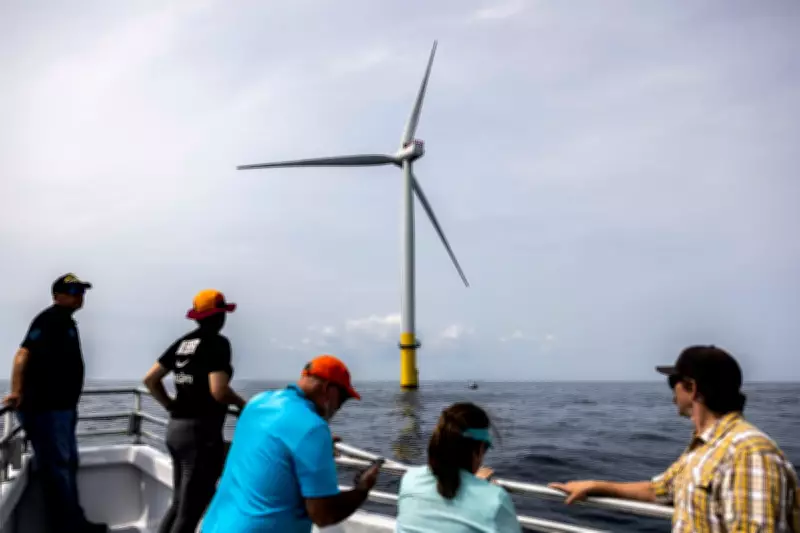
In a significant move impacting the renewable energy sector, the Trump administration has announced a deal to pay French energy giant TotalEnergies approximately $1 billion to abandon plans for constructing wind farms off the US east coast. This agreement marks the latest setback for the US offshore wind industry, which has faced ongoing disruptions under President Donald Trump's leadership.
Deal Details and Financial Implications
Under the terms of the deal, TotalEnergies will relinquish two offshore leases previously purchased near New York and North Carolina. The US Department of the Interior will reimburse the company $928 million, originally paid during the Biden administration. In return, TotalEnergies has committed to not developing any new offshore wind projects in the United States. Instead, the company will invest nearly $1 billion this year in expanding fossil fuel infrastructure, including four trains at the Rio Grande LNG plant in Texas and upstream conventional oil and shale gas production in the US Gulf region.
Political and Economic Context
This announcement comes amid a global fuel crisis exacerbated by the war in Iran, which has driven up fossil fuel prices. President Trump has frequently criticized wind turbines as unattractive, expensive, and inefficient, while his administration has actively promoted domestic fossil fuel production. Critics argue that the deal undermines efforts to transition to cleaner energy sources, especially as other offshore wind projects, such as Vineyard Wind off Massachusetts and Revolution Wind off Rhode Island, have recently begun operations, delivering reliable power to the grid.

Reactions from Advocacy Groups
Environmental and clean energy advocates have condemned the agreement. Sam Salustro, a senior vice-president at the Oceantic Network, described it as "political theater" that removes affordable, homegrown energy from the market, leaving American consumers to grapple with higher electricity bills. Lena Moffitt of Evergreen Action called it a "taxpayer-funded bribe" that deepens dependence on volatile fossil fuel markets. Xavier Boatright from the Sierra Club emphasized that offshore wind offers a cheaper, cleaner future and urged Trump to base policies on facts rather than corporate interests.
Industry and Government Perspectives
TotalEnergies CEO Patrick Pouyanné defended the decision, stating that offshore wind is not the most cost-effective method for electricity production in the US. The agreement was jointly announced by Pouyanné and US Secretary of the Interior Doug Burgum at the CERAWeek energy conference in Houston. This deal follows previous attempts by the Trump administration to halt the construction of five permitted wind farms along the east coast, though legal challenges allowed those projects to proceed.
As global energy markets face instability due to geopolitical conflicts, this move highlights ongoing tensions between renewable energy expansion and fossil fuel investments in US policy.






