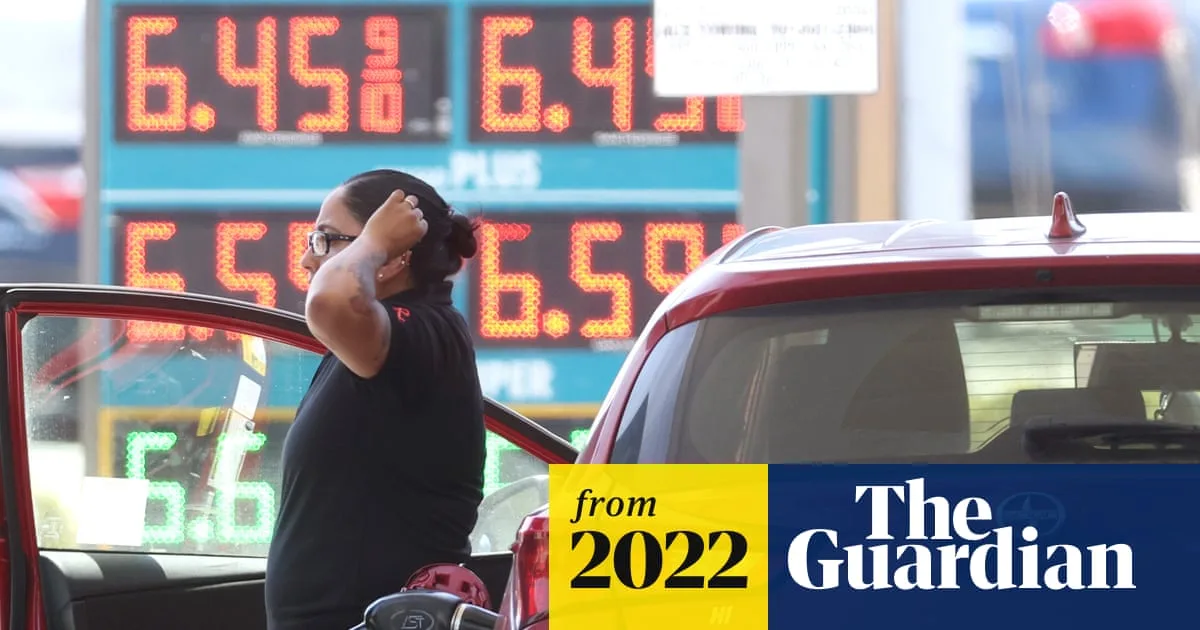
The average price of petrol in California has exceeded $6 (£4.81) a gallon for the first time, as fuel costs across the United States reach unprecedented highs. According to the American Automobile Association (AAA), drivers in the Golden State are paying an average of $6.06 per gallon, the highest ever recorded in California and the country. Nationally, the average price stands at nearly $4.59, also a record, after rising 10 cents since Monday.
Rising demand and tighter supply are driving the surge, AAA reports, with the switch to summer blends of fuel adding up to 10 cents per gallon. Andrew Gross, an AAA spokesperson, said: 'The high cost of oil, the key ingredient in gasoline, is driving these high pump prices for consumers. Even the annual seasonal demand dip for gasoline during the lull between spring break and Memorial Day, which would normally help lower prices, is having no effect this year.'
The record costs come amid inflation at a near 40-year high, hitting Californians hard, particularly gig workers who rely heavily on fuel. Governor Gavin Newsom has proposed an $18.1bn relief package, including $11.5bn for $400 cheques to eligible registered vehicle owners, over $4bn for emergency rental and utility assistance, and free public transport for three months. The state's minimum wage could also rise to $15.50 an hour in January due to inflation-linked legislation.
Newsom has faced criticism, especially from Republican lawmakers, for not doing enough to lower fuel costs. Some advocate suspending California's gas tax, the second highest in the country at 51 cents a gallon, a proposal gaining support from some Democrats. However, Democratic leaders are wary, fearing oil companies may not pass savings to drivers. Ro Khanna, a California Democrat, blamed oil companies, noting record profits amid the war in Ukraine: 'That's not fair.'
In Mono County, where petrol costs over $7 a gallon, residents share Khanna's anger. Linda Dore told USA Today: 'Here we are struggling to even work enough to get enough gas to go to work. I mean it's definitely, how many billions do they need?'