

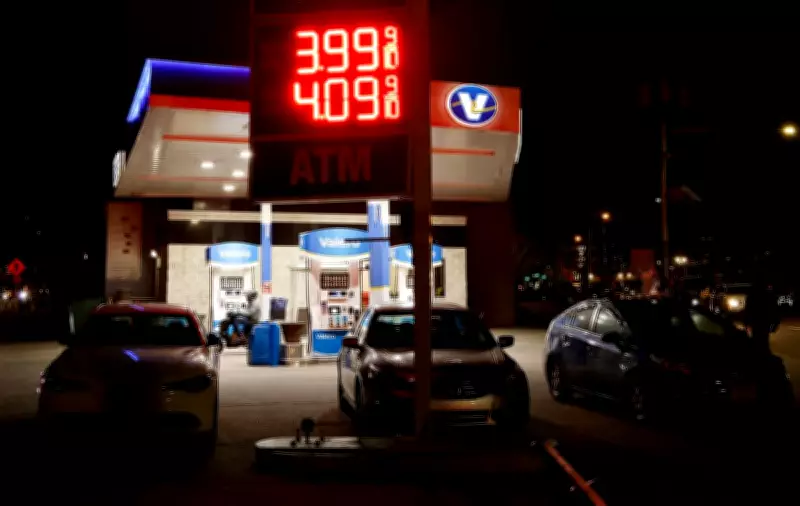
US Fuel Prices Experience Sharp Increase Amid Iran Conflict
Average fuel prices in the United States have surged significantly in recent weeks, driven by escalating tensions and military actions in Iran. This conflict has disrupted key oil supply routes and production facilities, leading to a sharp rise in global crude oil prices. The impact is being felt directly at petrol pumps across the US, with consumers facing higher costs for gasoline and diesel.
Global Market Reactions and Economic Implications
The Iran war has triggered widespread concern in international oil markets, as the region is a major supplier of crude oil. Analysts report that the disruption has caused a spike in benchmark oil prices, which in turn has pushed up fuel costs in the US and other nations. This development is contributing to inflationary pressures, potentially affecting broader economic stability and consumer spending patterns.
Experts warn that if the conflict persists, it could lead to further volatility in energy markets, with long-term consequences for global trade and economic growth. The situation underscores the interconnectedness of geopolitical events and domestic fuel prices, highlighting vulnerabilities in supply chains.

Consumer Impact and Future Outlook
For American drivers, the increase in fuel prices means higher expenses for daily commutes and transportation. This could strain household budgets, particularly for low-income families, and may influence travel behaviors and vehicle usage. Additionally, industries reliant on transportation, such as logistics and retail, are likely to face increased operational costs, which could be passed on to consumers.
Looking ahead, market observers are closely monitoring the Iran conflict for signs of resolution or escalation. Any de-escalation could help stabilize oil prices, but ongoing hostilities may sustain or even exacerbate the current price surge. Policymakers and energy analysts are urging for contingency plans to mitigate the economic fallout and ensure energy security in the face of such geopolitical shocks.






