

Americans Forced to Borrow Money to Keep Heat On During Arctic Blast
Residents in West Virginia are grappling with a severe financial crisis as skyrocketing utility bills now exceed monthly rent or fixed incomes for many households. This affordability issue has escalated during recent Arctic blasts, forcing some families to take out personal loans just to keep their heating systems running and avoid freezing conditions.
Root Causes of the Soaring Energy Costs
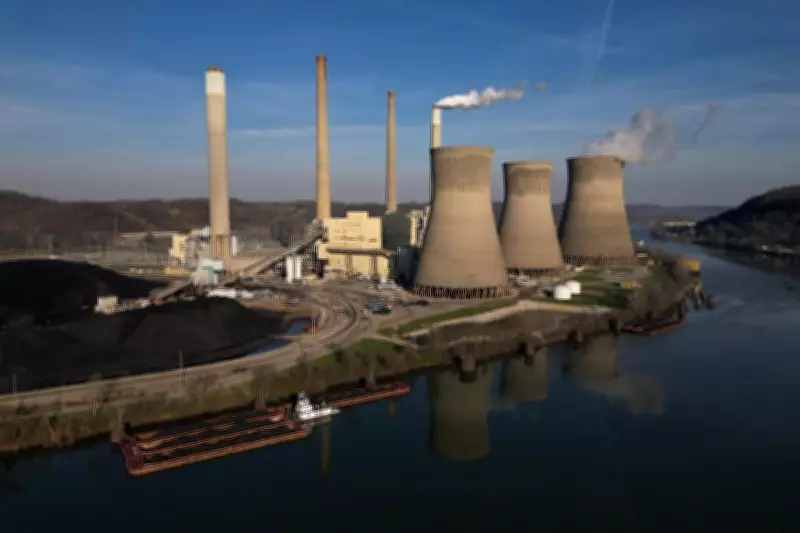
The surge in electricity and heating bills is attributed to multiple interconnected factors. West Virginia, despite its rich energy resources, continues to rely heavily on aging coal-fired power plants, which are less efficient and more costly to maintain. The state has been slow to adopt cheaper renewable energy alternatives, contributing to its rapidly increasing electricity rates.
Nationally, electricity prices rose by 4.8% in February compared to the previous year, driven by increased demand, extreme weather events, aging infrastructure, rising natural gas prices, and the construction of power-intensive data centers. These elements combine to create a perfect storm of high utility costs that are squeezing household budgets across the region.

Political Promises and Economic Realities
Former President Donald Trump had previously pledged to cut electricity bills by half, but these promises have not materialized. Instead, the ongoing affordability crisis is generating significant anger among voters, who feel betrayed by unfulfilled political commitments. The situation has led to small businesses closing down and residents making difficult choices between heating their homes and other essential needs like food and medication.
In a controversial statement, JD Vance blamed the UK Government rather than the Iran war for high British power bills, highlighting how energy costs have become a focal point in political discourse. However, in the US, the focus remains on domestic factors such as infrastructure and policy failures.
Impact on Communities and Future Outlook
The financial strain is not just a temporary issue but a deepening crisis that threatens long-term stability for many families. With utility charges surpassing rent in some cases, households are forced to prioritize immediate survival over savings or investments. This has led to increased debt levels, as personal loans become a last resort for bridging the financial gap during cold snaps.
As extreme weather events become more frequent due to climate change, the demand for heating and cooling is expected to rise, potentially exacerbating the affordability crisis. Without significant investments in modernizing energy infrastructure and accelerating the transition to cheaper renewable sources, West Virginia and similar regions may continue to face escalating utility bills, pushing more residents into financial hardship.






