

Ukrainian President Volodymyr Zelensky has announced he will impose a state of emergency across the nation's energy sector. This drastic step comes in response to a relentless barrage of Russian missile and drone attacks targeting critical power infrastructure, compounded by one of the coldest winters in years.
Grid Under Siege as Temperatures Plummet
The consequences of the Russian strikes, combined with deteriorating weather, are severe, President Zelensky stated in a post on the social media platform X. He confirmed that an overall state of emergency would be declared for Ukraine's energy network to facilitate urgent resolutions.
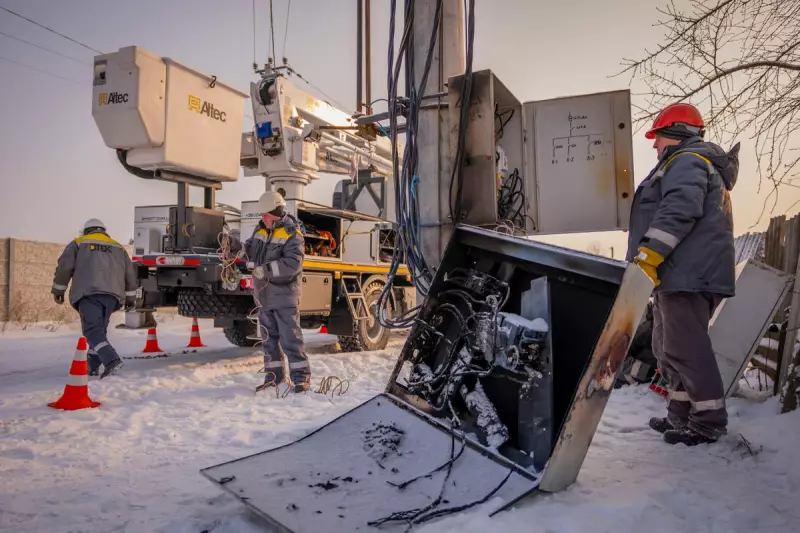
Repair crews have been labouring non-stop to restore electricity and heating supplies, particularly in the capital, Kyiv, after strikes hit the system last week. The scale of the damage is immense, with thousands of apartment buildings requiring repairs. This work is being severely hampered by bitter conditions, with overnight temperatures plunging close to -20°C.

Coordination and Criticism in the Capital
In his nightly video address, President Zelensky expressed frustration, stating that not enough had been done to manage the aftermath of the attacks, especially in Kyiv. He contrasted the capital's efforts unfavourably with those in other major centres like Kharkiv, Ukraine's second city.
"Even in recent days, I do not see sufficient intensity," the President said. "This must be urgently corrected. Decisions must be made." He argued that the state of emergency would grant authorities greater options and flexibility to respond.
His proposals included establishing more public centres where residents could find warmth and charge electronic devices, and lifting nightly curfews in areas where the security situation allows.
Kyiv Mayor Vitali Klitschko, who has previously clashed with Zelensky, swiftly rejected the criticism. On Telegram, he asserted that heating had been restored to all but approximately 400 of 6,000 affected apartment buildings and that support centres were operating around the clock.
"Such statements, first of all, undermine the dedicated work of thousands of people, professionals," Mayor Klitschko wrote. "They may not have weapons in their hands, but through their tireless efforts they are also fighting for their country."
New Headquarters and Broader Strategy
To manage the escalating crisis, President Zelensky revealed plans for a permanent coordination headquarters in Kyiv. This body will be overseen by Denys Shmyhal, the newly appointed First Deputy Prime Minister and Energy Minister.
Key measures to address the energy shortfall include working "to significantly increase the volume of electricity imports into Ukraine." Alongside the domestic emergency, Zelensky urged the military to hold firm on the sprawling 1,200-kilometre front line and called for diplomats to continue pursuing peace efforts.
He emphasised the need for maximum productivity from his own government and expressed strong expectations for energetic work from American partners in support of Ukraine's defence and stability.






