
The United Kingdom has achieved unprecedented levels of renewable energy generation, leading to a novel incentive for households to increase their electricity consumption during off-peak hours. This initiative aims to balance the power grid and reduce soaring energy bills by utilising surplus electricity.
Record Renewable Energy Production
Thanks to recent sunny spring weather, the UK set a new solar power record earlier this month. Concurrently, wind farms have reached all-time highs, contributing to a season of record renewable energy. According to The Guardian, this summer could potentially mark the first time the grid operates entirely on zero-carbon electricity.
Incentives for Off-Peak Usage
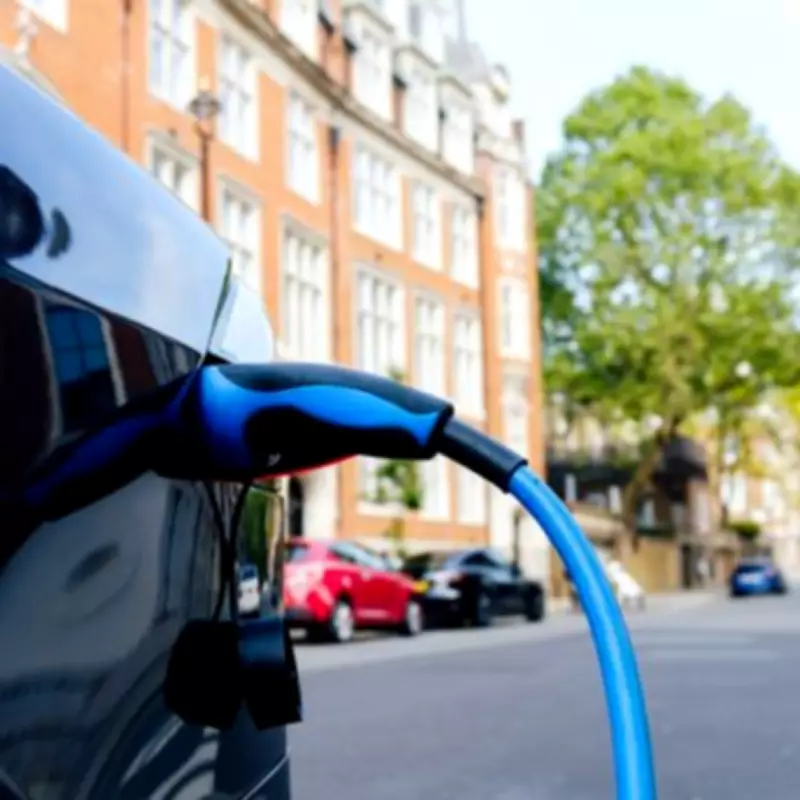
With an excess of electricity available, energy suppliers are offering heavily discounted or free electricity to encourage usage during nighttime hours. Over two million households already have access to lower rates if they consume electricity between 11pm and 8am. This strategy involves charging electric vehicles, running dishwashers, and operating washing machines during these periods to absorb the surplus power.
The National Energy System Operator (Neso) supports this approach, hoping that increased household consumption can help avoid price spikes when electricity supply is low. For individuals concerned about rising bills, this presents a viable option, especially as the dual fuel energy cap is projected to rise to nearly £2000 annually in July amid geopolitical tensions.
Challenges in Grid Management
Despite the abundance of renewable energy, infrastructure limitations pose significant challenges. On bright, sunny days, solar panels and wind turbines generate maximum power, often concentrated in northern regions like Scottish wind farms. When southern areas require this electricity, transmission pipelines can become congested, leading to potential unplanned blackouts.
To prevent such outages, the National Grid frequently pays renewable generators to halt production, as this is more cost-effective than risking system collapse. While Britain possesses the technology to generate green power, the necessary infrastructure—such as expanded pipelines and sufficient battery storage—remains underdeveloped, hindering efficient energy distribution and storage.
Practical Tips for Consumers
Households on smart-energy tariffs are advised to schedule high-energy activities during off-peak hours. Examples include setting timers for washing machines or charging vehicles overnight. Peak times, typically weekdays between 4pm and 8pm, should be avoided to maximise savings and support grid stability.
This push for increased electricity usage not only aids in managing renewable energy surpluses but also offers financial relief to consumers facing escalating energy costs. As the UK continues to advance its renewable capabilities, such initiatives highlight the evolving dynamics of energy consumption and infrastructure needs.




