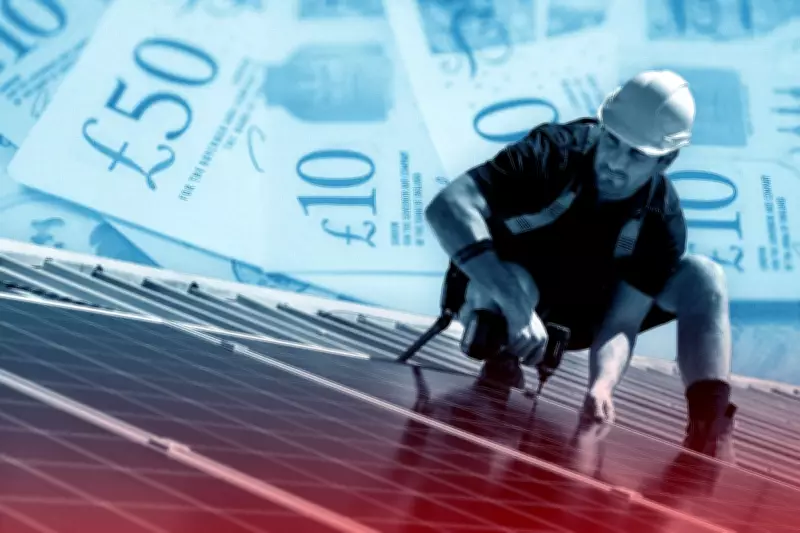
Solar Panel Costs in the UK 2026: A Detailed Breakdown
As of January 2026, the cost of installing solar panels on a typical three-bedroom home in the UK typically ranges from £6,500 to £9,000. This price depends on several factors, including system size, panel type, installer pricing, and whether a battery is added. A standard 4-5kW system often costs between £6,500 and £8,000 fully installed. Adding a 5kWh solar battery usually increases the upfront cost by £4,000 to £6,000, but it can significantly boost long-term savings by allowing homeowners to use more of the electricity they generate.
Understanding Payback Periods and Savings
Through the Smart Export Guarantee (SEG), homeowners can earn money for surplus electricity exported back to the grid. Combined with reduced reliance on daytime grid electricity, many solar systems achieve payback in around eight to 12 years. The exact figure varies based on home characteristics, usage patterns, and tariff rates. With energy prices remaining volatile and incentives evolving, homeowners frequently question whether solar panels are worth the investment. This guide breaks down solar pricing, return on investment factors, and key features of top solar panels available in the UK market today.
Cost Breakdown by Household Size
Below is a typical installed solar panel cost guide by household size, including optional battery additions:

- Two-bed / small home: 3kW system, typical cost £5,000-£6,500, with battery adding £4,000-£6,000 for a total of £9,000-£12,500.
- Three-bed / typical family home: 4-5kW system, typical cost £6,500-£8,000, with battery adding £4,000-£6,000 for a total of £10,500-£14,000.
- Four-bed / higher use: 5-6kW system, typical cost £7,500-£9,500, with battery adding £4,000-£8,000 for a total of £11,500-£17,500.
Typical payback periods range from nine to 12 years without a battery and eight to 12 years with a battery, potentially shorter for high evening use or electric vehicle owners.
Factors Influencing Solar Panel Costs
Several elements can cause quotes to vary significantly, even for similar homes:
- System size and panel type: Larger systems cost more upfront but may offer better value per watt. Monocrystalline panels are typically more expensive but more efficient.
- Installation complexity: Labour costs, scaffolding, and roof suitability can drive up prices, with installation often accounting for up to 20% of the total cost.
- Inverter and battery: Inverters cost £600 to £1,000 and may need replacement after 10-15 years. Batteries add £4,000 to £8,000 but can increase self-consumption from 30% to over 70%.
- Location and tariffs: Homes in southern UK receive more annual sunlight, affecting generation. SEG rates vary by supplier, typically 12p to 15p per kWh.
Real-World Example and Savings Projection
Wendy Conner, a homeowner in Bristol, provides a practical example. She installed a 5.5kWp system costing £8,750. In year one, she saved £450 on electricity bills and earned £127 from SEG, totaling £577. Assuming conservative factors like 0.7% annual panel degradation and energy price inflation, her system is projected to pay back in about 12 years, with potential for decades of lower-cost electricity thereafter.
Grants, Incentives, and Financing Options
To reduce costs, homeowners can explore various schemes:
- Government initiatives: The Warm Homes Plan includes fully-funded installations for some low-income households and proposes zero-interest loans. VAT on domestic solar installations is removed until 2027, saving hundreds of pounds.
- Local programs: Energy Company Obligation (ECO4) and Solar Together group-buying initiatives offer discounts or subsidies.
- Financing: Green mortgages from lenders like Nationwide provide interest-free loans, improving return on investment.
How to Get the Best Solar Panel Deals
To ensure a good investment, homeowners should:

- Gather at least three quotes from accredited installers certified under the Microgeneration Certification Scheme (MCS).
- Compare system size, panel wattage, inverter brand, and warranty details.
- Opt for a site survey over desk quotes to account for roof shading and condition.
- Ask detailed questions about equipment, guarantees, and SEG registration.
Future Trends and Common Myths
Solar panel prices are expected to continue falling due to manufacturing efficiencies, while efficiency improves with higher-wattage panels. Policy drivers like the UK's net zero 2050 target may introduce further incentives. Contrary to myths, solar works well in the UK's climate, payback periods are often within a decade, batteries can be worthwhile for high evening use, and panels generally enhance rather than hinder home resale value.
This guide is based on market data, installer insights, and homeowner experiences, providing a balanced view of solar panel costs and returns in the UK for 2026.