

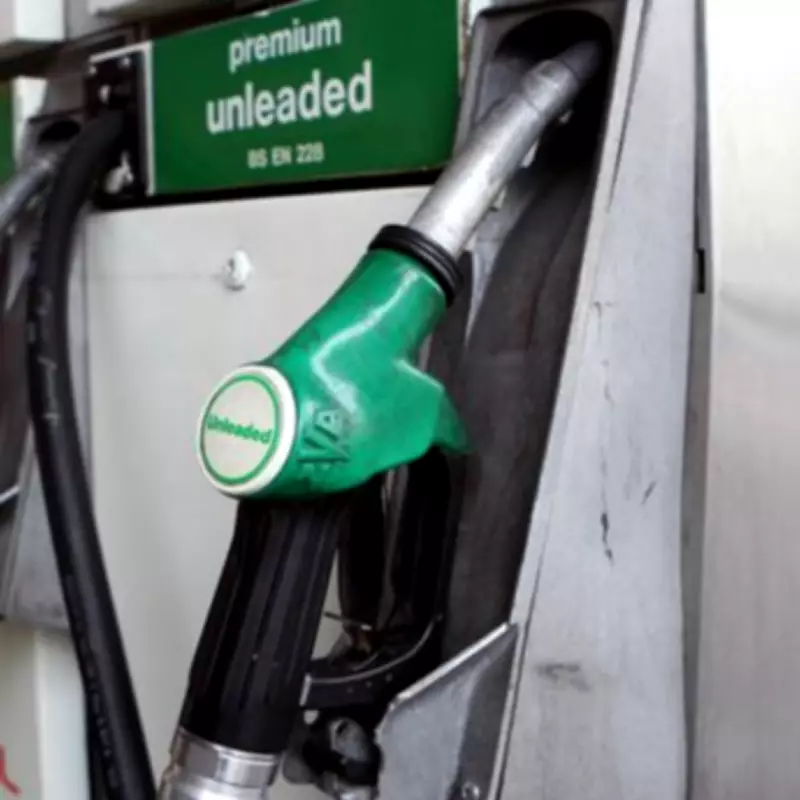
The UK government is actively reviewing emergency petrol and diesel rationing plans in preparation for a potential supply crisis triggered by escalating conflict in the Middle East, according to recent reports. These precautionary measures could include a strict £30 fuel purchase limit for motorists and priority access for essential services such as the NHS and police forces.
Growing Concerns Over Fuel Supplies
The fear of fuel rationing has intensified as the conflict in the Middle East continues to disrupt global energy markets. Iran has blocked the critical Strait of Hormuz supply route, through which approximately one-fifth of globally traded oil passes. Additionally, energy infrastructure across the region has been targeted amid the ongoing hostilities, exacerbating supply chain vulnerabilities.
Origins of the Conflict
The current crisis was sparked after the United States and Israel carried out joint strikes on several key Iranian sites on February 28. Iran responded by launching attacks on targets across the Middle East, further destabilising the region and threatening international oil flows.

Government Statements and Precautionary Measures
UK officials have emphasised that the review of rationing plans is purely precautionary and does not indicate imminent fuel shortages. According to automotive technology firm Regit, the government is carefully monitoring the situation to assess potential impacts in the coming months.
When questioned about the possibility of implementing fuel rationing, Labour MP Dan Tomlinson stated, "At the moment, it is too early to tell what the impact of this crisis will be in the coming months. What we have seen in the last two weeks is that there has been a sharp increase in the cost of oil used to heat people's homes, and the Government has stepped in and said we're going to provide £50 million of support for people across the UK who are reliant on heating oil. We will monitor the situation, and we'll monitor it carefully."
National Fuel Emergency Plans
Regit reported that the government has confirmed it is reviewing its national fuel emergency plans, which are designed to protect essential services in the event of a significant fuel shortage. This proactive measure aims to ensure the UK can react swiftly if global supply chains experience further disruption, safeguarding critical operations and maintaining public order.
Current Fuel Price Trends
The ongoing crisis has already impacted fuel prices in the UK. Diesel has reached 160.3p per litre, while unleaded petrol stands at 141.5p per litre. These figures represent the highest prices recorded in approximately 18 months, highlighting the immediate economic effects of the Middle East turmoil on British consumers.
As the government continues its review, motorists are advised to stay informed about potential developments. The situation remains fluid, with officials balancing precautionary planning against the need to avoid unnecessary public alarm. The focus remains on ensuring energy security and supporting essential services during this period of global uncertainty.






