British motorists are confronting a sharp escalation in petrol and diesel costs, with prices at the pump reaching their highest levels in over twenty months. This surge represents the most significant increase since the onset of the Ukraine conflict in 2022, driven by escalating tensions in the Middle East and a corresponding spike in global oil prices.
Rapid Price Increases at the Pump
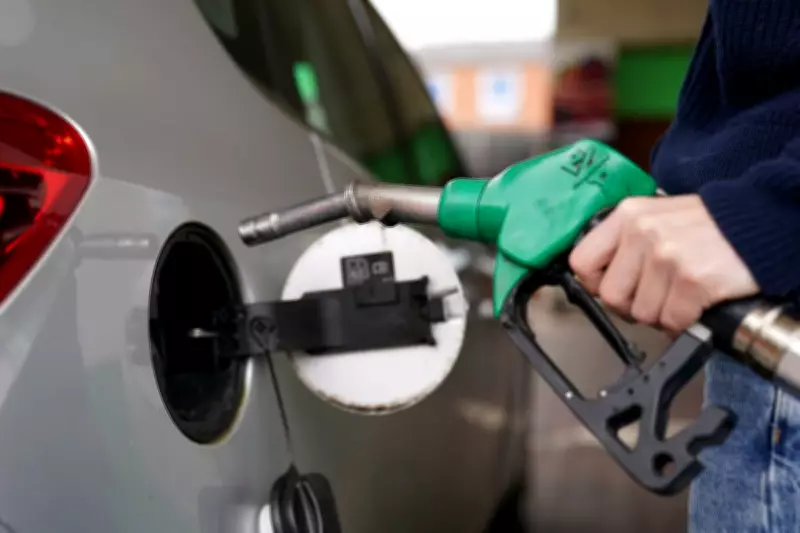
Latest data reveals that petrol and diesel prices have climbed dramatically since Saturday, 28 February, when the United States initiated strikes against Iran. Increases range from 6.12p to 12.74p per litre, pushing average costs to 138.96p for unleaded petrol and 155.12p for diesel. For a typical family car with a 55-litre diesel tank, this translates to an additional expense of up to £6.67 in just over a week, with further rises anticipated in the near future.
Oil Market Volatility and Global Impact
The primary driver behind this trend is the volatility in oil markets, where Brent crude prices surged past $100 per barrel on Monday for the first time since 2022. Prior to the conflict, prices had stabilized around $73 per barrel, but they have since climbed to nearly $98 as of Wednesday. This escalation is directly linked to the spreading conflict across the Middle East, following US and Israeli strikes on Iran and subsequent retaliatory attacks by Iran on targets in the United Arab Emirates, Qatar, Bahrain, Jordan, and Iraq.

Iran has issued a stark warning, threatening to "set fire" to any vessels attempting to navigate the Strait of Hormuz, a critical maritime chokepoint for global oil shipments. Approximately twenty percent of the world's oil and gas traverses this waterway, making the threat particularly damaging to international trade and energy supplies.
Expert Advice for Drivers
In response to the mounting costs, AA president Edmund King has advised UK motorists to consider reducing non-essential journeys and adapting their driving habits to conserve fuel. He emphasized that prolonged conflict will continue to exert upward pressure on oil prices, noting that any time Brent crude exceeds $100 per barrel, it raises concerns across markets, the haulage industry, and everyday drivers.
Simon Williams, head of policy at the RAC, echoed these concerns, stating that average petrol and diesel prices have "rocketed" in recent days and are likely to keep rising. He predicts unleaded petrol will soon average 140p per litre, with diesel potentially reaching 160p. Williams encourages drivers to shop around for the best prices while continuing to refuel as normal.
Historical Context and Future Projections
Analysis from the Energy and Climate Intelligence Unit highlights the historical correlation between oil and fuel prices. When oil trades at $100 per barrel, petrol prices typically hover around 150p per litre, while a rise to $120 per barrel could push petrol costs to approximately 170p per litre. This underscores the potential for further increases if the conflict persists.
Political and Policy Responses
Chancellor Rachel Reeves has addressed concerns over price gouging by some forecourt operators, with reports of petrol being sold for as much as 180p per litre. She has stated she will "not tolerate" such practices and plans to meet with petrol retailers to discuss the rising prices. Additionally, there have been calls for the chancellor to cancel Labour's planned fuel duty increases, which are set to reverse a 5p-per-litre cut implemented in March 2022 in response to the Ukraine war.
Reeves announced a phased reversal of this policy in November's Budget, with increases scheduled for September, December, and March 2027. While she has rejected immediate calls to scrap the plan, she has indicated that the policy is "under review" given the current economic pressures on drivers.
The combination of geopolitical instability, oil market fluctuations, and domestic policy decisions is creating a challenging environment for UK motorists, with little relief in sight as the conflict in the Middle East continues to unfold.