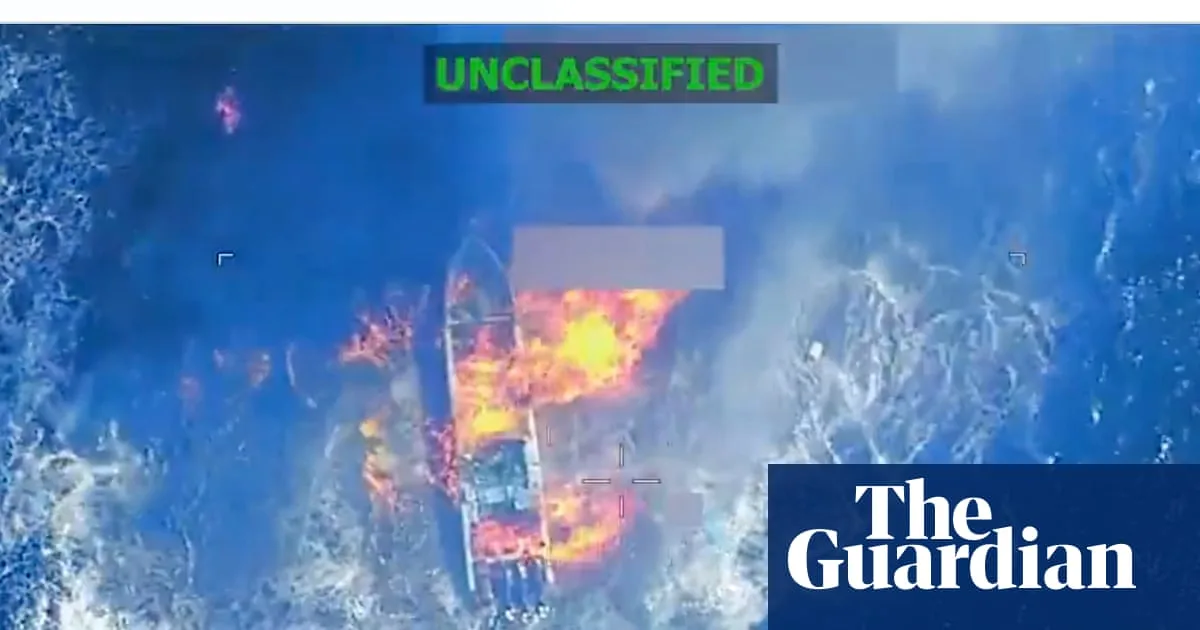
The United States military has conducted strikes on alleged drug-carrying boats in Latin America since September, resulting in the deaths of more than 200 individuals. The Trump administration has justified these actions as necessary to combat drug trafficking, but critics question their legality and effectiveness.
Background of the Strikes
President Donald Trump asserted that the longstanding strategy of interdicting boats at sea has failed. However, the U.S. Coast Guard set a record in 2024, seizing 225 metric tons of cocaine under the Biden administration. The strikes began in September off Venezuela's Caribbean coast and expanded to the Eastern Pacific in October. The deadliest month was October, with 45 fatalities. Most strikes in 2026 have occurred in the Pacific. Trump and officials claim these boats are operated by narco-terrorists and cartel members.
The Associated Press visited a Venezuelan region from which some suspected boats departed and identified four men killed in the strikes. Residents and relatives described the dead as laborers or fishermen earning $500 per trip. The strikes coincided with the largest U.S. military buildup in Latin America in generations, culminating in the capture of Venezuela's then-President Nicolás Maduro in January. Over 60 boats have been struck during the operation.
Effectiveness of the Strikes
Trump claimed the strikes destroyed boats carrying fentanyl, each saving 25,000 American lives. Experts and former U.S. counternarcotics officials deem these statements exaggerations or false. Overdose deaths from opioids surged to about 80,000 annually from 2021 to 2023, dropping to an estimated 55,000 in 2024 and 44,000 in 2025. This decline is partly attributed to Biden-era efforts to increase access to overdose-reversal drugs.
Cocaine overdose deaths are less common than fentanyl-related deaths. In 2024, about 22,000 people died from cocaine overdoses in the U.S., down from over 29,000 the previous year, with an estimated 19,000 in 2025. The drug flowing from South America is cocaine, while fentanyl typically enters the U.S. overland from Mexico, produced with chemicals from China and India.
Legal Concerns
The operation has drawn intense criticism, especially after the military killed survivors of the first boat attack with a follow-up strike. Administration officials and Republican lawmakers deem the strikes legal and necessary, while Democratic lawmakers and legal experts label them murder or war crimes. Amanda Klasing of Amnesty International USA stated, "These extrajudicial killings are becoming normalized... they are illegal and immoral."
In January, families of two Trinidadian nationals killed in an October strike sued the federal government, calling the attack a war crime and part of an "unprecedented and manifestly unlawful U.S. military campaign." The lawsuit argues the strikes lack congressional authorization and occur without a military conflict with drug cartels, stating, "These premeditated and intentional killings lack any plausible legal justification. Thus, they were simply murders."






