

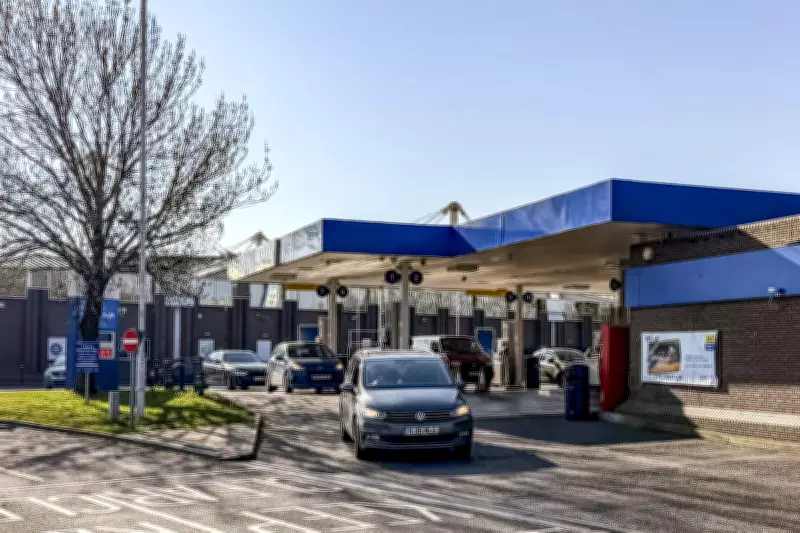
British drivers have been explicitly instructed not to modify their driving behaviours or fuel purchasing patterns despite mounting international pressure to conserve petroleum resources during the escalating Middle Eastern conflict. Energy Minister Michael Shanks delivered this firm reassurance during a recent radio interview, directly contradicting guidance issued by the influential International Energy Agency.
Minister's Reassurance Amid Global Tensions
During an appearance on Times Radio, Minister Shanks was questioned about whether British motorists should implement changes to their daily routines in response to the developing international energy situation. The minister provided unequivocal guidance, stating that drivers should continue with their normal activities without any alterations whatsoever.
"They should do everything as absolutely normal because there is no shortage of fuel anywhere in the country at the moment," Shanks declared emphatically. "We monitor this every single day, I look at the numbers personally. There's no issue at all with that."

Contradicting International Guidance
The minister's comments stand in stark opposition to recommendations published by the International Energy Agency, which has urged motorists worldwide to adopt conservation measures. The Paris-based organization has specifically advised drivers to:
- Reduce highway speeds significantly
- Increase ride-sharing arrangements
- Work from home whenever feasible
- Minimize unnecessary journeys
These international recommendations aim to decrease global consumption of petrol and diesel during what experts describe as a critical period for energy security.
Geopolitical Context of the Crisis
The current energy situation stems directly from the ongoing military confrontation between the United States, Israel, and Iran. Tehran has implemented a naval blockade of the strategically vital Strait of Hormuz, effectively halting the flow of approximately one-fifth of the world's petroleum exports through this crucial Middle Eastern shipping corridor.
This geopolitical development has created significant volatility in global oil markets, with Brent Crude prices surging above 100 US dollars per barrel as Asian markets opened on Tuesday. This price increase occurred despite a temporary decline on Monday following suggestions from US President Donald Trump about potential diplomatic negotiations with Iranian leadership.
Preventing Panic Buying
Minister Shanks specifically addressed concerns about potential fuel shortages, drawing explicit parallels to the disruptive panic buying episodes that occurred during the 2021 pandemic. At that time, reports of fuel tanker driver shortages triggered widespread anxiety among motorists, resulting in extensive queues at petrol stations across multiple UK regions.
"People should go about their business as normal," the minister emphasized. "That's what the RAC and the AA have said. It's really important people do that. There's no shortage of fuel and everything is working as normal."
Market Volatility and Diplomatic Uncertainty
The petroleum market has experienced dramatic fluctuations in recent days, reflecting the unpredictable nature of the international situation. While prices dropped temporarily following President Trump's comments about potential negotiations, they rebounded sharply as markets digested the ongoing complexities of the crisis.
White House officials have characterized diplomatic communications with Iran as "fluid" following the president's initial statements, indicating that the situation remains highly dynamic and subject to rapid change. This uncertainty continues to influence global energy markets and pricing structures.
Direct Response to Conservation Questions
When questioned specifically about whether British drivers should consider reducing their driving speeds in response to the international energy situation, Minister Shanks provided a definitive response: "Look genuinely, people shouldn't change their behaviour or their habits in the slightest."

This clear directive from the UK government represents a significant departure from the conservation-focused approach being advocated by international energy organizations and many other national governments currently grappling with the implications of the Middle Eastern conflict on global fuel supplies.





