With temperatures across parts of the UK set to reach 33°C this weekend, many Britons are looking forward to enjoying the sunshine. However, pet owners are urged to take extra precautions to keep their animals safe. Experts from leading veterinary charity PDSA have highlighted the dangers of heat for cats and dogs.
PDSA Warning: Heat Can Be Fatal
PDSA Vet Nurse Shauna Walsh stated: 'Hot temperatures can lead to fatal consequences for our pets. Too much sun or heat can be extremely dangerous for our canine companions, especially for flat-faced breeds and overweight dogs, who find it much more difficult to cool themselves down. Older dogs and those with ongoing health problems may also find it more challenging to manage their body temperature.'
Tips to Keep Your Pet Cool
Avoid Walks During Peak Heat
While most dogs love to run around, Ms Walsh warns that heatstroke can occur suddenly. She advises: 'If you do head out for a dog walk, try to go early in the morning or later in the evening when the sun is lower and temperatures are cooler. During a heatwave, skipping a walk altogether may be the safest option, especially for short-faced dogs. It's also important to bear in mind that playing outside during hot weather can cause your dog to overheat. Check the "feels like" temperature, so you can completely avoid your pets being outside when it's too warm.'
Create a Cool Room for Your Pet
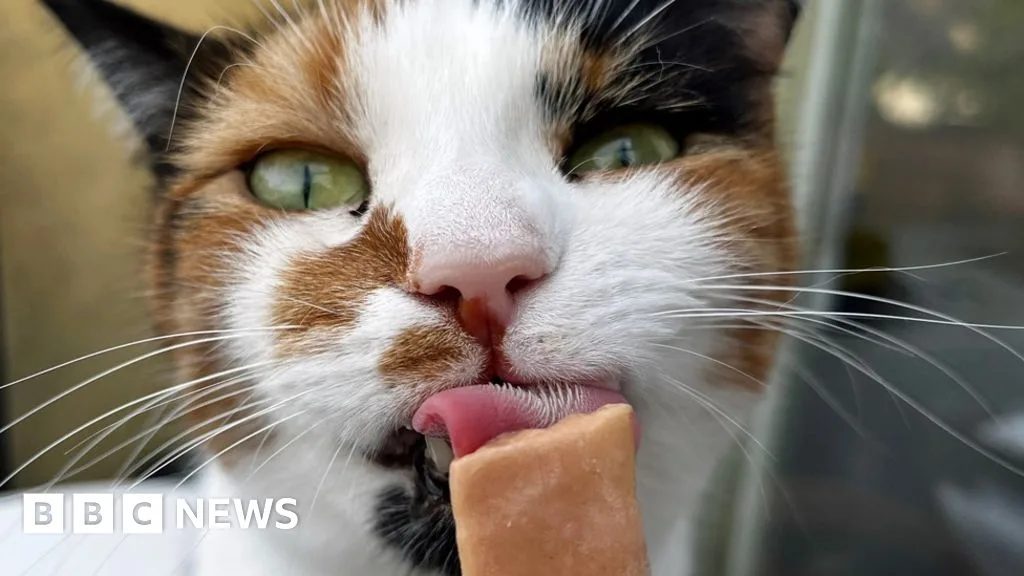
As temperatures rise, create a cool room for your pet with good shade and airflow. Ms Walsh recommends: 'Choose a room away from direct sunlight and close the curtains or blinds to block out the sun. Use fans or air conditioning to keep the air moving and fresh, and always make sure your pet has access to plenty of clean and fresh water.' While many dog owners worry about overheating, Ms Walsh advises cat owners to also be vigilant. She added: 'Make sure cats always have access to cool, shaded areas indoors or outdoors, and provide plenty of fresh water in multiple locations around the home. During very hot weather, encourage them to rest indoors during the hottest part of the day, particularly older cats, kittens, overweight cats and flat-faced breeds, which can be more vulnerable to heat-related illness.'
Avoid Travelling with Your Pet
Unless absolutely necessary, avoid all travel with your pet. Ms Walsh said: 'Even a quick trip to the shop with your dog left in the car can become extremely dangerous if you're caught in traffic or face delays. Air conditioning might be keeping you cool in the front, but it can mask the heat your pet feels if they're in the back or boot of the car.'
Set Up a Pet Paddling Pool
Depending on your pet's size, a paddling pool can help keep them cool. Ms Walsh explained: 'Filling a shallow paddling pool or washing up bowl with cold water can give your dog a much-needed chance to cool their paws. Gently wetting their body with cool water also really helps to cool them down.'
Create Cooling Snacks – But Avoid Solid Ice Cubes
Ice can help keep animals cool, but avoid giving solid ice cubes. Ms Walsh warned: 'These can fracture teeth, especially in enthusiastic chewers. Instead, try offering ice shavings or crushed ice, which are safer and easier to lick. Another good option is to freeze a bowl of water, creating a large block of ice your pet can lick to stay cool without risking dental injury.' For creative treats, freeze fruits and vegetables for your dog. Ms Walsh added: 'Apples, carrots and pears can help keep them hydrated.'
Place an Ice Pack in Their Bed
Ensure your pet's bed stays cool. Either place an ice pack wrapped in a towel in their bed, or consider a cooling mat. Ms Walsh cautioned: 'Always supervise your dog to ensure they don't chew the ice pack or cooling mat, as the contents can be harmful.'
Take Your Pet to the Groomer
Regular grooming helps pets regulate their temperature, especially those with long or thick hair. Ms Walsh added: 'Although dogs don't sweat through their skin like humans, a tangle-free coat will allow your dog's skin to breathe better. Regular grooming is important for cats too, particularly long-haired breeds, as matted or excess fur can trap heat and make it harder for them to stay cool.'
Commonly Held Myths About Dogs
Animal behaviour experts Dr Melissa Starling and Dr Paul McGreevy from the University of Sydney have identified ten common misconceptions about dogs:
- Dogs don't like to share.
- Not all dogs like to be hugged or patted.
- A barking dog is not always an aggressive dog.
- Dogs do not like other dogs entering their territory/home.
- Dogs like to be active and don't need as much relaxation time as humans.
- Not all dogs are overly friendly; some are shyer to begin with.
- A dog that appears friendly can soon become aggressive.
- Dogs need open space and new areas to explore. Playing in the garden won't always suffice.
- Sometimes a dog isn't misbehaving; it simply does not understand what to do or what you want.
- Subtle facial signals often preempt barking or snapping when a dog is unhappy.