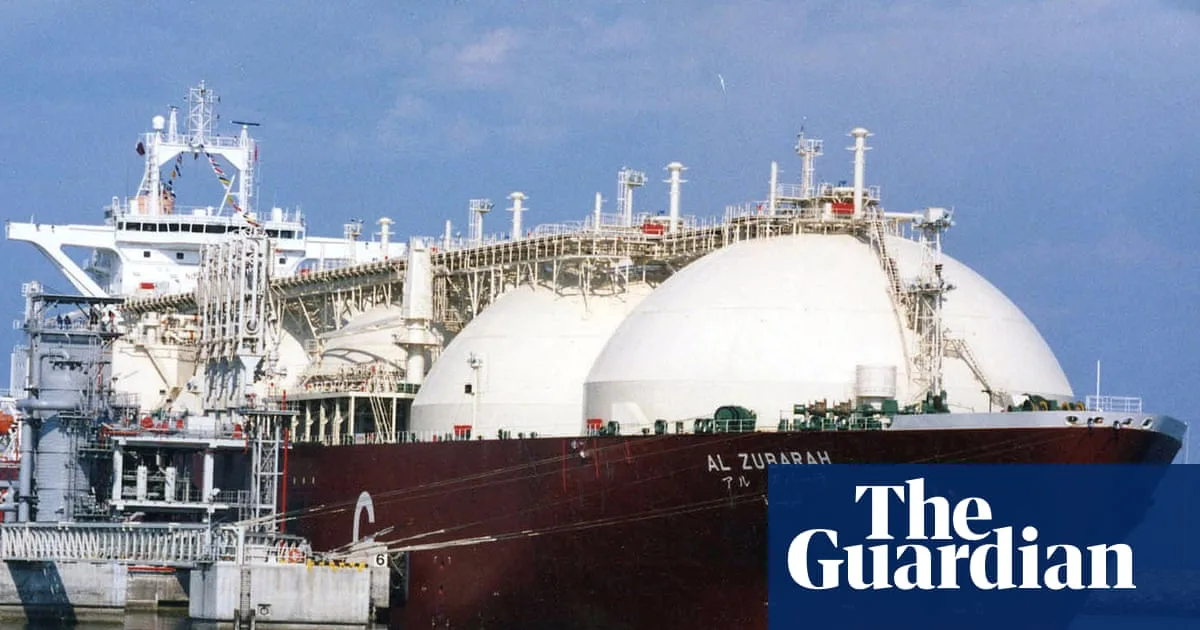
Great Britain has only two days of fossil gas stored after a decline in energy reserves, as more tankers carrying liquefied natural gas (LNG) are diverted from Europe to Asia due to the Iran war. According to National Gas, which operates the gas transmission system, the UK had 6,999 gigawatt hours (GWh) of gas stored on Saturday, down from 9,105 GWh a year earlier. Maximum storage capacity is 12 days, and current levels equate to under two days of reserves, raising concerns about potential shortages if the Middle East crisis escalates.
However, National Gas insists that storage levels are broadly in line with expectations for this time of year and comparable to last year. A spokesperson noted that storage makes up only a small part of Britain's diverse gas supply mix, which includes domestic production from the UK continental shelf, imports from Norway, LNG, and interconnectors with continental Europe. The Department for Energy Security and Net Zero also dismissed claims of a two-day supply, stating that the UK has a diverse energy mix and is confident in its security of supply.
At least two LNG tankers have been redirected mid-Atlantic from Europe to Asia since Friday, following three similar diversions last week, according to ship-tracking data. Gas prices have soared since the US and Israel intensified airstrikes on Iran over a week ago. Iran has effectively closed the Strait of Hormuz, through which a fifth of global seaborne gas passes, and Qatar halted production at the world's largest LNG plant after a drone attack. UK month-ahead gas prices rose to 137p per therm, up from 78.5p before the conflict began.

Gas injections into UK storage have increased since 21 February due to milder temperatures, typical when demand drops. Storage levels fluctuate seasonally and are market-driven. While mainland Europe has reserves of several weeks, experts note that the UK uses storage more flexibly. National Gas has proposed policies to safeguard future energy security, including maintaining flexible supply capacity, expanding LNG, and introducing floating storage units, amid declining North Sea production and increased import reliance.