UK Fuel Prices Surge to New Highs in Just Seven Days
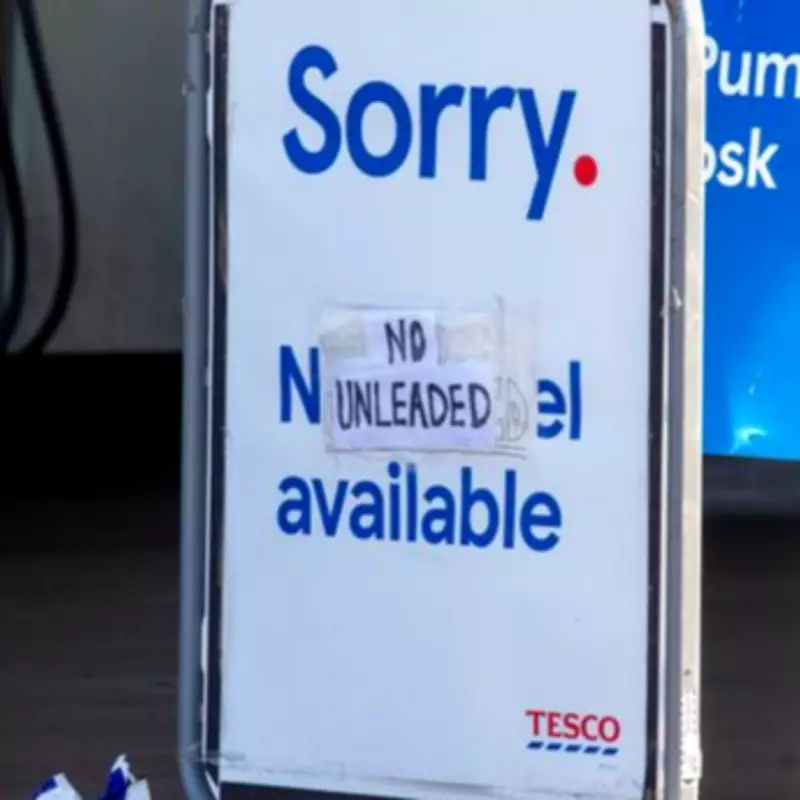
Petrol and diesel prices in the United Kingdom have experienced a dramatic surge over the past week, reaching their highest levels in more than a year. This sharp increase has triggered widespread panic buying among drivers, with some petrol stations, including Tesco outlets, reporting shortages of unleaded fuel.
Rapid Price Increases at the Forecourt
According to new figures from the RAC, the average price of a litre of diesel at UK forecourts has risen by nearly 6p since Saturday, now standing at 148p. This marks the most expensive diesel has been since mid-August 2024. Meanwhile, average petrol prices have increased by almost 4p per litre to 137p over the same period.
These price hikes have significant financial implications for motorists. Filling a typical 55-litre family car with petrol now costs approximately £2 more, while diesel vehicles face an increase of about £3.30 per tank. The RAC has noted that while wholesale costs for retailers have risen, it typically takes two weeks for such changes to fully impact forecourt prices, suggesting further increases may be on the horizon.

Middle East Conflict Drives Oil Price Spike
The primary driver behind this fuel price surge is the ongoing conflict in the Middle East, which has disrupted tanker traffic and sparked a sharp rise in global oil prices. The price of Brent crude oil has increased by about 21% over the past week, exceeding 88 US dollars (£66) a barrel on Friday. On Thursday, it reached 85 US dollars (£64), a level not seen since July 2024.
Simon Williams, head of policy at the RAC, commented on the situation, stating, "If the price of a barrel stays at this level, or increases, then further forecourt rises will be inevitable." He added that while the rate of increase has been rapid, current prices remain well below the record highs of 2022, when petrol averaged 191.5p and diesel 199p per litre.
Geopolitical Tensions and Supply Disruptions
Recent retaliatory attacks by Iran have further exacerbated the situation, disrupting shipping in the Strait of Hormuz. This critical route carries approximately 20% of the world's oil and gas supplies. Hundreds of ships have been anchored outside the strait following attacks in Gulf waters, heightening concerns about potential impacts on UK fuel availability and costs.
Analysis by the Energy and Climate Intelligence Unit (ECIU) suggests that if oil prices reach 100 dollars (£75) a barrel, petrol prices could hit 150p per litre. This projection underscores the vulnerability of fuel prices to geopolitical instability and market fluctuations.
Panic Buying and Forecourt Chaos
In response to the rising prices and supply concerns, drivers across the UK have engaged in panic buying, leading to long queues at petrol stations and some pumps running dry. Huge queues have been observed at locations such as Costco petrol stations, as motorists rush to refuel before prices climb further.
Despite the frenzy, the AA earlier this week advised that "there was no need for drivers to break their refuelling routine," highlighting the importance of maintaining normal consumption patterns to avoid exacerbating shortages. However, the combination of geopolitical tensions, oil price volatility, and consumer behaviour continues to create a challenging environment for UK motorists and the fuel industry alike.