

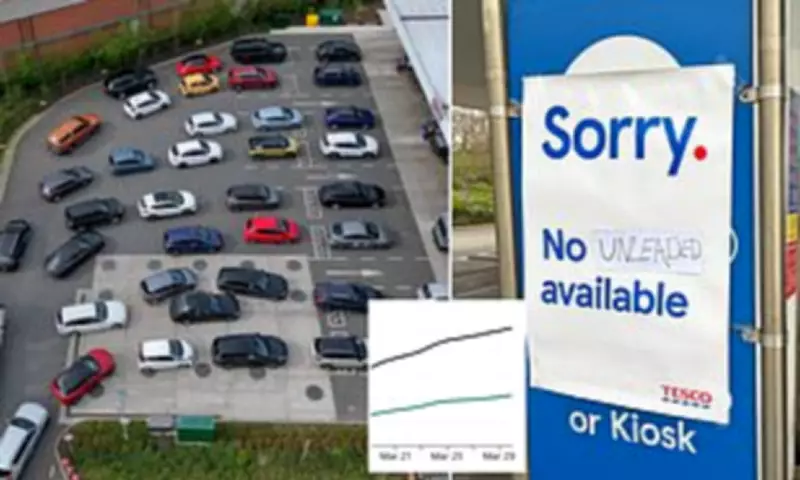
Britain's average diesel price has soared to nearly 183p per litre, marking a dramatic increase of more than a quarter since the onset of the Middle East conflict, according to experts. The surge is directly linked to rising oil prices, exacerbated by Iran's tightening control over tanker traffic through the critical Strait of Hormuz.
Fuel Price Surge Details
The RAC reported that the average price for a litre of diesel at UK forecourts reached 182.8p yesterday, representing a sharp rise of 40p or 28 per cent from 142.4p recorded on February 28, when the war began. Simon Williams, RAC head of policy, highlighted that this escalation means filling a typical 55-litre family car has now exceeded the £100 threshold for the first time since December 2022.
Petrol prices have also climbed significantly, with averages hitting 152.8p per litre yesterday, up 15 per cent from 132.8p on February 28. This translates to a full tank costing approximately £84, adding further financial strain on motorists across the nation.

Financial Impact on Drivers
Separate analysis by the motoring research charity, the RAC Foundation, reveals that the oil crisis has cost UK drivers a staggering £544 million in higher fuel prices since the conflict started. This total comprises £409 million for diesel and £135 million for petrol, calculated based on average daily pump price increases and last year's fuel consumption rates.
The AA noted a widening price gap between supermarket and non-supermarket retailers, with petrol differentials expanding from 5.4p per litre before the war to 7.6p, and diesel gaps reaching 8.8p. This disparity underscores the varying impacts on consumers depending on where they purchase fuel.
Government Emergency Measures
In response to potential shortages, the government has outlined five key measures under its 'National Emergency Plan for Fuel', activated only in severe national fuel supply crises. These include:
- Designated Filling Station scheme: Prioritising emergency and critical service vehicles at selected stations.
- Bulk Distribution scheme: Directing oil companies to prioritise fuel deliveries to essential services like emergency responders and public transport.
- Commercial Distribution scheme: Ensuring diesel supply to commercial vehicles to maintain key supply chains for food and health.
- Maximum Purchase scheme: Restricting fuel sales per visit to ensure equitable access for all motorists.
- Crude Oil and Imported Product Allocation scheme: Government allocation of crude oil and imported products within the UK.
Official guidance indicates that key workers, including doctors, police, and firefighters, would receive priority access under the Designated Filling Station scheme if stocks dwindle. However, the government insists that UK petrol stations remain well-stocked nationally, with no immediate plans for rationing despite the ongoing conflict.
Broader Economic and Social Implications
The crisis has prompted calls from the Public and Commercial Services Union (PCS) for civil servants to be allowed to work from home to mitigate rising fuel costs. Union leaders argue that the government's office attendance policy is outdated given current global tensions and their impact on household budgets.
Human resources experts warn that fuel shortages or rationing could severely affect employers and employees, suggesting alternatives like carsharing, adjusted working hours, or remote work to alleviate commuting challenges. Downing Street has reiterated that forecourts are adequately supplied, though reports of pumps running dry in some areas persist.
Prime Minister Sir Keir Starmer acknowledged that the government cannot handle the fallout from the Iran war alone, convening emergency talks with industry leaders from insurance, oil, gas, and shipping sectors. Meanwhile, Chancellor Rachel Reeves faces mounting pressure to assist drivers, as the Treasury benefits from an estimated £8 billion windfall due to soaring energy prices, yet resists cutting fuel duty despite similar moves by countries like Australia and Spain.

The RAC cautions that van drivers are particularly hard-hit, 'bleeding cash' to stay on the road, and analysis suggests diesel prices may continue to rise unless oil costs stabilise. With 90 per cent of UK crude oil imports sourced from non-Middle Eastern countries like the US and Norway, the government emphasises the resilience of supply chains, but the immediate financial burden on consumers remains acute.





