Oil Prices Skyrocket Past $100 a Barrel Following Military Strikes on Iran
Oil prices have surged beyond $100 per barrel for the first time in over three-and-a-half years, triggered by joint military operations conducted by the United States and Israel against Iran. This significant increase marks a dramatic shift in global energy markets, with immediate repercussions expected for consumers worldwide.
Trump's Four-Word Response to Soaring Costs
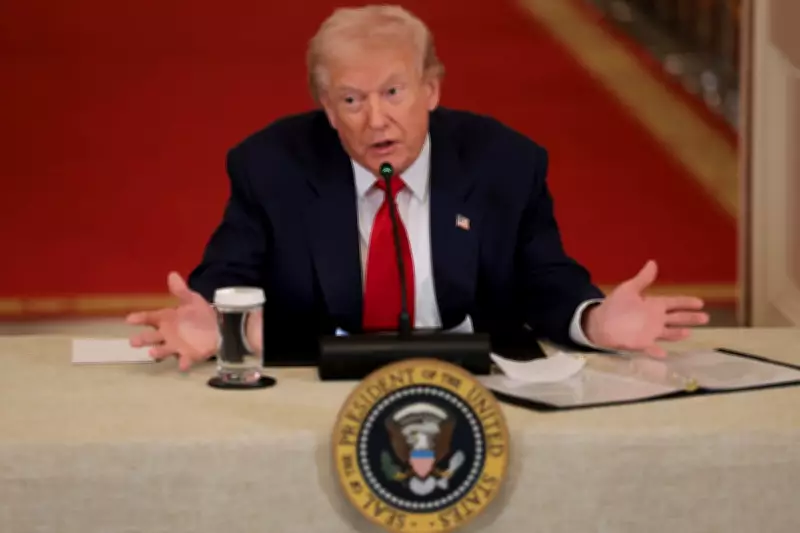
In response to the escalating prices, former President Donald Trump offered a succinct four-word assessment, stating that higher oil costs represent a "small price to pay" for enhanced global safety and peace. He expressed optimism that prices would rapidly decline once the nuclear threat posed by Iran is effectively neutralised, framing the economic impact as a temporary sacrifice for long-term security benefits.
Energy Secretary Warns of Short-Term Pain at the Pump
U.S. Energy Secretary Chris Wright has acknowledged that American consumers are likely to face considerable discomfort due to rising petrol prices in the coming weeks. He emphasised, however, that this period of elevated costs is projected to last only "weeks... not months," despite current prices being higher than optimal. Wright's reassurance aims to mitigate public concern, though he stopped short of predicting an immediate return to pre-crisis levels.

Expert Forecasts Predict Further Price Increases
Industry experts are issuing stark warnings about the potential for continued price hikes. Analysts at GasBuddy estimate an 80 per cent chance that the national average for petrol prices in the United States could reach $4 per gallon within the next month. Meanwhile, Goldman Sachs has projected that oil prices could escalate as high as $150 per barrel, driven by ongoing disruptions in the Middle East.
Middle East Production and Shipping Disruptions
The surge in oil prices is directly linked to the conflict with Iran, which has severely hampered production and shipping operations across the Middle East. A critical bottleneck has emerged in the Strait of Hormuz, a vital maritime passage for oil tankers, where traffic has been significantly impeded. This disruption threatens to exacerbate supply shortages and prolong the period of elevated prices, impacting global energy stability.
Global Implications and Consumer Impact
The ripple effects of this oil price spike are expected to be felt broadly, influencing everything from transportation costs to household budgets. As the situation unfolds, policymakers and energy officials will be closely monitoring developments to assess the duration and severity of the crisis. The interplay between geopolitical actions and economic consequences remains a focal point for international observers.