Thinktank Proposes Subsidised Energy for All UK Households Using North Sea Tax Windfall
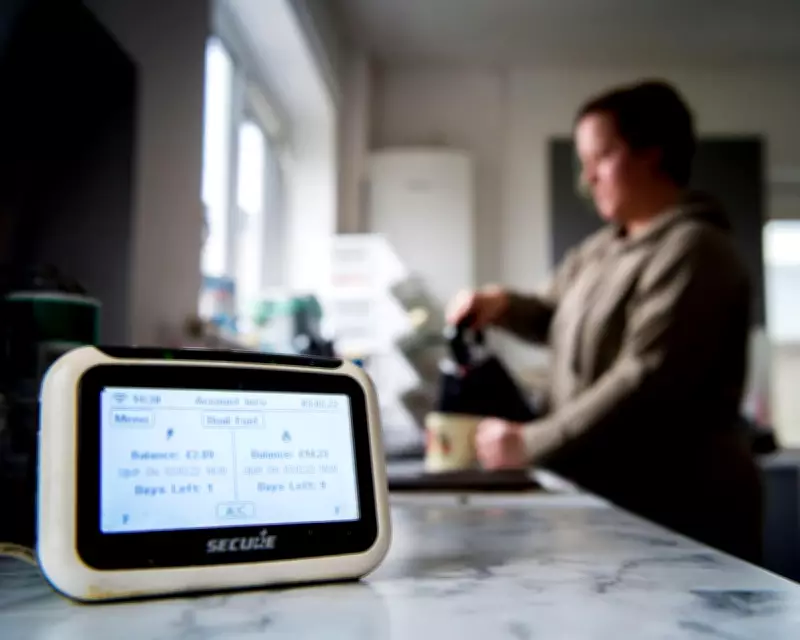
A leading thinktank has put forward a bold proposal to address the deepening energy crisis in the United Kingdom. The New Economics Foundation suggests that all households should receive a minimum amount of subsidised energy, funded by windfall taxes on North Sea oil and gas companies. This measure aims to shield millions from escalating debt while energy firms continue to reap substantial profits.
Details of the Energy Subsidy Plan
The proposal involves providing every UK home with enough energy to heat two rooms, supply hot water, and operate essential appliances such as refrigerators and washing machines. These rates would be frozen at current levels, requiring an estimated government subsidy of approximately £4.5 billion. According to the foundation, this sum is roughly equivalent to the expected increase in tax revenues from the North Sea, driven by the high prices of oil and gas.
Although oil prices have moderated following a ceasefire announcement by US President Donald Trump in the Iran conflict, they remain elevated compared to pre-war levels. Volatility persists as supplies through the Strait of Hormuz may take time to normalise. The New Economics Foundation argues that using these tax revenues to subsidise household bills would offer the most protection to low-income families, while wealthier households would still face market rates.

Potential Savings and Broader Impacts
The proposed energy guarantee would freeze prices for an initial tranche of household usage, potentially saving all households over £160 annually on their bills. For those on low incomes, this could translate to a saving of about 17%, compared to 11% for wealthier individuals. Alex Chapman, a senior economist at NEF and author of the report, emphasised that similar schemes are successfully operating in countries like Japan, South Korea, China, and India, as well as in several European nations including the Netherlands, Austria, Greece, and Poland, where they were introduced in response to the 2022 energy spike after Russia's invasion of Ukraine.
Chapman warned, "We’ve barely emerged from one inflation crisis and now we’re being plunged into another. Despite this week’s ceasefire agreement, the aftershocks of this illegal war will hit us hard. Once again, fossil fuel giants and electricity generators are about to rake in mammoth profits while our energy bills go through the roof." He criticised the government for failing to curb excessive energy company profits during the previous oil crisis, which left millions of households burdened with unpayable energy debts.
Call for Government Action and Future Projections
The thinktank urges the government to take decisive action by taxing energy companies on their windfall profits and using the funds to support vulnerable customers. Chapman stated, "Let’s not make the same mistake again – this government must protect households’ ability to meet their essential energy needs, and our research suggests they can do so by taxing those who profited the most from this war."
Looking ahead, the energy price cap is projected to rise by about £388 in July, potentially reaching nearly £2,000 per year for dual-fuel households. The cap, initially introduced by Ofgem in 2019 to prevent excessive profits from consumers, was adjusted during the 2022 oil and gas crisis. In addition to household support, NEF recommends targeted government assistance for businesses affected by the oil and gas crisis stemming from the war in Iran.
This proposal highlights a growing divide between household struggles and corporate gains, advocating for a fairer distribution of resources during times of economic strain.