

Millions of Households Urged to Submit Energy Meter Readings Before Price Cap Falls
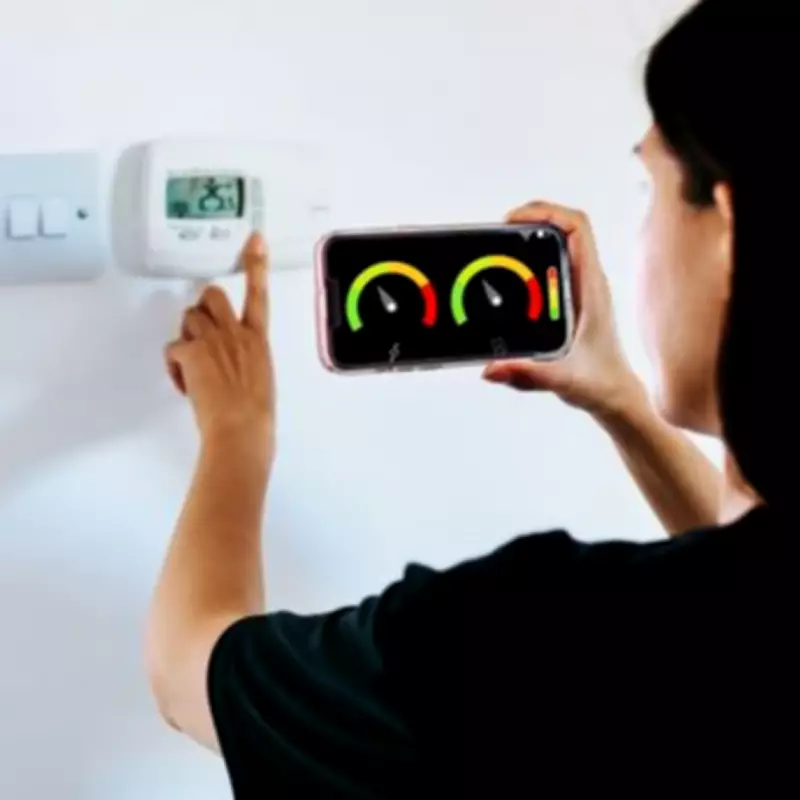
Millions of households across the UK are being strongly encouraged to take an energy meter reading in the coming days, ahead of a significant change in the Ofgem price cap. This proactive step is crucial to ensure accurate billing and avoid potential overcharges as energy costs adjust.
Ofgem Price Cap Reduction Details
The Ofgem price cap is set to decrease from £1,758 per year to £1,641 starting April 1. This figure represents the estimated annual cost for gas and electricity for a typical household that pays via direct debit. The new price cap will remain effective for a three-month period, with the next adjustment scheduled for July 1. However, energy analysts are currently forecasting a potential rise in bills at that time, largely due to geopolitical tensions such as the conflict in Iran.
It is important to note that the price cap applies to households on variable energy tariffs, meaning those not locked into fixed deals. Taking a meter reading around this update helps prevent being charged at the higher rate for energy consumed before the cap change.

How to Submit Meter Readings
For households with smart meters, manual submissions are generally unnecessary, as these devices automatically send regular readings to energy suppliers. However, if you do not have a smart meter, you will need to manually provide a reading to your supplier.
- Standard Electricity Meters: Typically, you should record the first five numbers from left to right. According to Citizens Advice, any red numbers should be ignored.
- Time-of-Use Tariffs: If your tariff offers different rates based on the time of day, you may see two rows of numbers. In such cases, submit both rows to your supplier.
- Dial Electricity Meters: These usually feature five or more dials. Read the first five dials from left to right, checking the direction of each dial, as they turn opposite to the previous one. Ignore red dials. If the pointer is between two numbers, record the lower number, except when between nine and zero, where you should write down nine. If the pointer is directly over a number, note that number and underline it; then, check the dial to the right—if its pointer is between nine and zero, reduce the underlined number by one.
- Digital Metric Meters: Write down the first five numbers from left to right, ignoring any digits after the decimal point.
- Digital Imperial Meters: Only the four black numbers need to be recorded, with the two red numbers disregarded.
- Dial Gas Meters: Follow the same steps as for dial electricity meters, but do not underline numbers where the pointer lands directly on them.
By following these guidelines, households can help ensure their energy bills accurately reflect usage and avoid unexpected charges during this period of price cap fluctuations.






