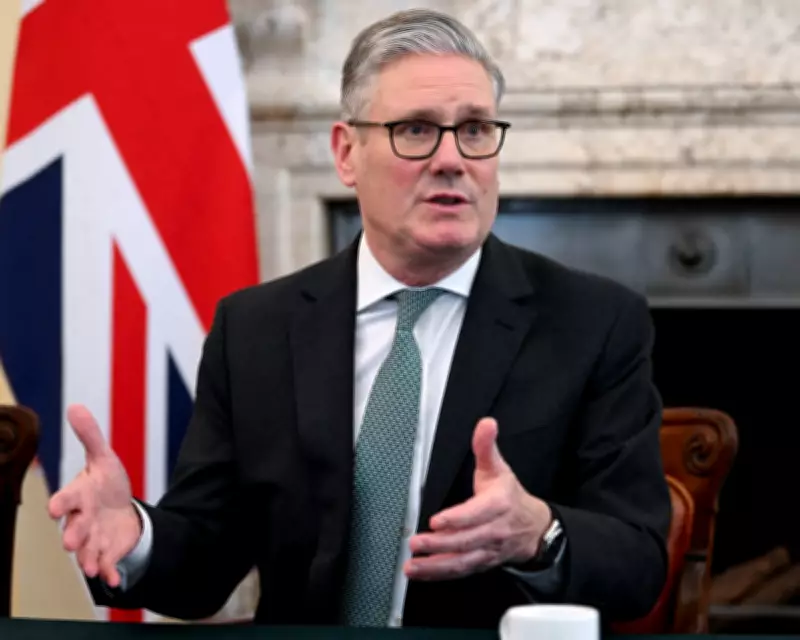
Starmer's Energy Plan Faces Scrutiny Over Lack of New Measures
Keir Starmer, the Prime Minister, outlined a five-point energy plan from 10 Downing Street on Wednesday, positioning it as a response to the escalating US-Israeli conflict with Iran and its potential impact on the Strait of Hormuz. However, analysis reveals that the plan is predominantly a repackaging of measures from last autumn's budget, raising questions about its effectiveness in addressing the immediate crisis.
Dissecting the Five Points
First Point: Energy Bill Cuts
Starmer claimed, "We're cutting energy bills by over £100 per household today." This measure, however, originates from the chancellor's budget in November, where green levies were shifted to general taxation. Initially touted as a £150 reduction, it has since been adjusted to £117 due to rising grid maintenance costs, illustrating the volatility of energy pricing rather than a new initiative.

Second Point: Fuel Duty Extension
The extension of the fuel duty cut until September was also announced in November, making it a reiteration of existing policy. With anticipated increases in September, December, and next March likely to be postponed, this point offers no fresh action in light of the Middle East tensions.
Third Point: Support for Heating Oil Users
Allocating £53 million to assist those affected by heating oil price rises is a direct response to the crisis. Yet, it leaves critical questions unanswered, such as the scope of targeted support for gas and electricity bills from October, delivery mechanisms, and handling of edge cases. The funding may prove insufficient if broader economic impacts escalate.
Fourth Point: Energy Security Investment
Investing in clean British energy through the Clean Power 2030 plan is a long-term strategy, not an immediate fix. With nuclear plants taking over a decade to build and wind farms operational only by 2028-2029, this point does little to mitigate current supply risks. Gas backup will remain essential, underscoring the ongoing reliance on fossil fuels.
Fifth Point: Diplomatic Efforts
Pushing for de-escalation in the Middle East is a sensible diplomatic stance, but it is not a novel policy. The timing of oil and gas price normalization will heavily influence economic outcomes, yet this was already understood prior to Starmer's announcement.
Broader Implications and Criticisms
Critics argue that Starmer's plan fails to address potential supply shocks, which could necessitate rationing and require substantial fiscal interventions. The reliance on outdated measures highlights a gap in proactive policymaking during a volatile period. As energy analysts note, consumer savings from cleaner systems are projected around 2040, leaving current households vulnerable to price fluctuations.
In summary, while the five-point plan aims to project stability, its composition of recycled policies undermines its credibility as a robust response to the Iran conflict's impact on energy markets.