

As daylight hours shrink and temperatures fall across the United Kingdom, homeowners with solar panels—or those considering them—often question their effectiveness. A persistent myth suggests photovoltaic (PV) systems effectively 'switch off' during the colder months. The reality, confirmed by energy experts and performance data, is that solar panels continue to produce electricity throughout winter, and cold weather can even enhance their operational efficiency.
Understanding Winter Solar Generation in the UK
The fundamental principle is clear: solar panels need light, not heat, to generate electricity. While the UK's shorter days and frequent cloud cover in winter reduce the total available sunlight, a well-installed system will keep converting daylight into power. According to National Grid and Energy Saving Trust data, January typically ranks as one of the lowest-generation months, but generation does not cease.
Overall production in winter can fall to approximately 15 to 30 percent of a system's peak summer output. This variation depends on several key factors, including geographic location, roof orientation, and local weather patterns. For instance, southern England generally receives more winter sunlight than northern Scotland, but all regions experience a significant seasonal dip.

Key Factors Influencing Winter Performance
Several elements determine how much electricity your panels will produce during the colder season. The orientation and pitch of your roof are critical; south-facing roofs angled between 30 and 40 degrees capture the most of the low winter sun. Shading from trees or buildings also has a magnified impact when the sun is low in the sky.
The type of panel installed makes a difference. Monocrystalline panels are generally more efficient in low-light conditions compared to other varieties. Furthermore, daily weather conditions—from heavy cloud to rain and even snow—play a major role in day-to-day output.
How Winter Weather Affects Solar Panel Output
Contrary to popular belief, the cold temperature itself is not a hindrance. In fact, photovoltaic cells can operate more efficiently in cooler conditions. The challenge lies solely in the reduced intensity and duration of daylight.
On cloudy or overcast days, which are common in a UK winter, generation is reduced but not halted. Modern PV panels can capture diffuse light, continuing to produce a steady, if lower, output. Rain has a minor dimming effect but offers a useful benefit by naturally cleaning the panels of dust and debris, which can improve subsequent performance.
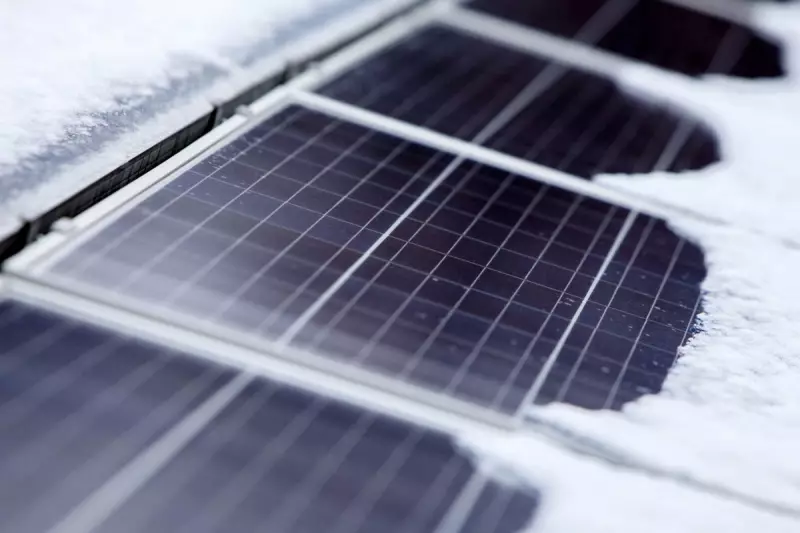
Snow presents a temporary obstacle. A heavy covering can block panels, but this is rare across much of the UK. A light dusting usually melts quickly as the dark panels absorb heat. Interestingly, a cleared snowy landscape can sometimes boost output briefly due to increased light reflectivity.
Maximising Your System's Winter Efficiency
Homeowners can take practical steps to ensure their solar array performs optimally during winter. Keeping panels clean is more important when light is scarce, as dirt has a greater relative impact. Investing in high-performance panels designed for low-light conditions or technologies like microinverters can mitigate shading issues.
One of the most effective strategies is pairing your system with a home battery storage unit. This allows you to store excess electricity generated on brighter days for use during darker periods or in the evenings, smoothing out the seasonal variation and increasing self-consumption.
Are Solar Panels Still Worth the Investment?
Despite the seasonal drop in output, solar panels remain a financially and environmentally sound investment for most suitable UK homes. The high generation during spring and summer months dramatically outweighs the quieter winter period. When combined with falling installation costs, direct energy bill savings, and income from the Smart Export Guarantee (SEG), the annual return is compelling.

Furthermore, solar panels offer long-term protection against rising energy prices. Even modest winter generation reduces reliance on grid electricity during the season when energy demand and costs are typically at their highest.
In conclusion, solar panels do not hibernate. A well-designed system will continue to contribute meaningfully to your home's energy needs throughout the year, making a valuable contribution to both your finances and carbon footprint, even under grey British winter skies.





