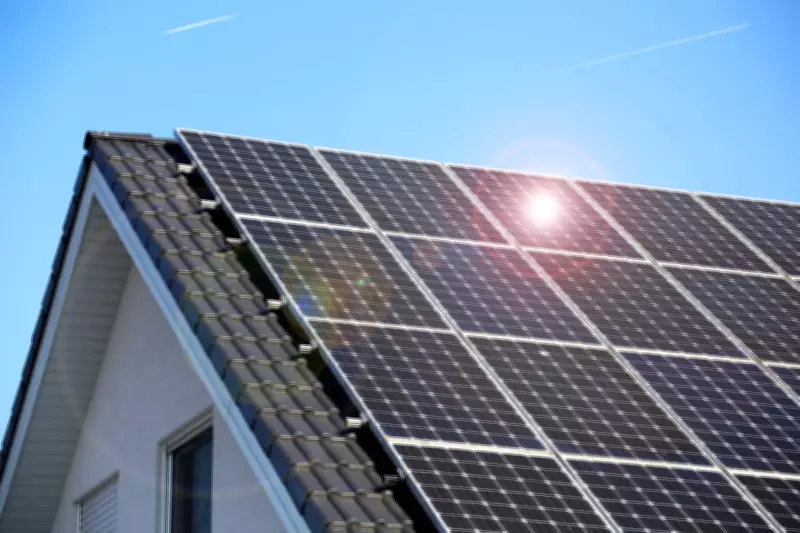
Understanding Solar Panel Longevity in the UK
As fuel prices continue to soar across the United Kingdom, homeowners are increasingly turning to solar panels as a viable solution to reduce electricity bills. A critical question for many is: how long do these systems actually last? The answer lies in a combination of panel quality, degradation rates, and proper maintenance, with most modern panels designed to provide reliable power for decades.
Expected Lifespan and Performance
Modern solar panels are engineered for durability, typically lasting between 25 to 30 years, and often longer. This extended lifespan is a key factor in making solar installations financially sensible, as it allows homeowners to recoup upfront costs through years of reduced energy expenses. Importantly, panels do not abruptly cease functioning after this period; instead, their performance gradually declines. On average, panels degrade at a rate of 0.3% to 0.5% per year, meaning they can still generate approximately 85% to 90% of their original capacity after 25 years, depending on the brand and model.
Warranties and Maintenance Considerations
To bolster confidence, manufacturers offer comprehensive warranties that include both product and performance guarantees. Product warranties cover defects in materials or workmanship, while performance warranties ensure a minimum output level over time, often promising 80% to 90% of original capacity after 25 years. However, it is essential to note that other system components, such as the solar inverter, may require earlier attention, typically needing replacement every 10 to 15 years. This represents a primary long-term maintenance cost that homeowners should factor into their planning.

When Replacement Becomes Necessary
Solar panels do not need to be replaced on a fixed schedule. Most will continue producing electricity well beyond 30 years, albeit at reduced efficiency. Replacement is generally only considered if panels become damaged, performance drops significantly, or newer models offer substantial efficiency improvements. With solar technology advancing rapidly—efficiency has surged from about 6% in the 1950s to over 22% for commercial panels in 2026—upgrading after decades may become cost-effective, especially if future prices decline.
Monitoring and Insurance
Homeowners can monitor panel health by observing output levels; a noticeable decline in generation, reflected in higher bills or lower grid payments, may indicate issues. While warranties cover defects and performance shortfalls, they do not protect against physical damage, such as from falling trees. Therefore, it is advisable to ensure home insurance policies include coverage for solar panels, providing additional security for this long-term investment.
In summary, solar panels offer a robust and lasting solution for UK households seeking to mitigate rising energy costs. With proper care and understanding of warranties, homeowners can enjoy decades of sustainable power generation, contributing to both personal savings and environmental goals.