UK Homes with Smart Meters May Qualify for 'Free' Energy Weekends
Some households in the United Kingdom could be eligible for cheaper or even 'free' energy this year, provided they meet specific criteria. This initiative comes as Britain approaches the summer period, when the nation may start generating more power than residents can consume.
Excess Renewable Energy Drives New Scheme
Personal finance expert Iona Bain recently appeared on BBC Morning Live to discuss headlines that sound "too good to be true." Reports indicate that certain households could take advantage of "free" electricity by postponing energy-intensive tasks, such as laundry, until weekends when there is typically a surplus of power.
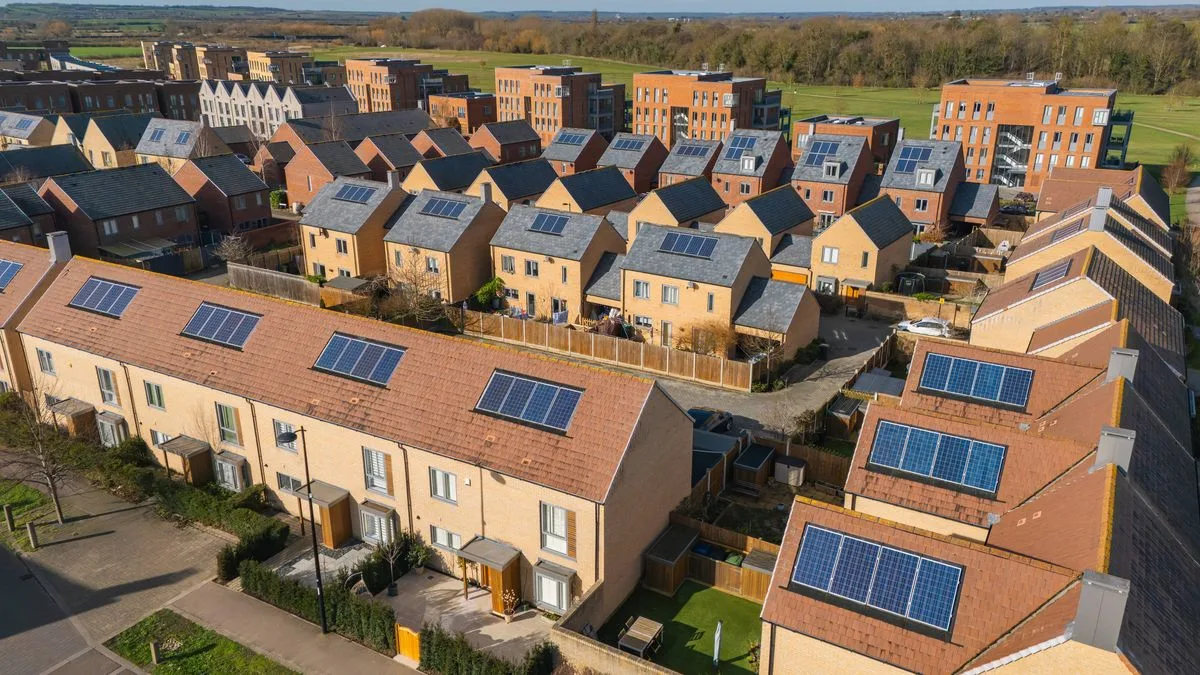
This excess energy initiative has been introduced ahead of the summer months, when warmer temperatures, longer daylight hours, and increased solar power output far exceed winter levels. Offering energy at no cost helps ensure that generated power is not wasted, according to reports.
Iona Bain explained: "It is similar to schemes that we've seen before where energy companies incentivise people to use energy at off-peak times by giving customers discounted rates. This scheme is a little bit different, though."
"Now that we're starting to generate more renewable energy using solar and wind power, we could be making too much of it and risk overwhelming the grid. As of today, the National Energy System Operator (NESO) has announced this new scheme."
Eligibility Criteria for Households
Households must meet two key criteria to qualify for this "free energy" deal:
- Properties need a smart meter installed that monitors energy consumption in real time.
- Homes must also be supplied by an energy provider participating in the Demand Flexibility Scheme.
Iona Bain added: "So long as you tick those two boxes, you could potentially benefit. Since energy bills are set to rise when the next price cap is announced, it could be helpful."
Participating Suppliers and Reward Details
A full list of participating suppliers includes:
- British Gas Trading Ltd
- Equiwatt
- Octopus Energy / Octopus Energy Trading Ltd
- Perse Technology Limited
- Scottish Power (via Equiwatt)
NESO will inform energy companies at what point during the day it wishes the scheme to operate. Rewards will vary, and while some headlines suggest certain providers may 'give away' this surplus energy, others may offer reduced electricity rates at specific times or reward customers with points redeemable for gift cards.
Expert Insights on Grid Resilience and Savings
Deborah Petterson, NESO's director of resilience and emergency management, stated: "The work of our excellent engineering teams at NESO means our energy system is well adapted to support a clean, resilient future, and puts us in a strong position to manage the changing patterns of electricity use over the summer. Tools such as the Demand Flexibility Service not only reward consumers and businesses for flexible electricity use but also strengthen the resilience and efficiency of Great Britain's electricity network."
Jess Ralston, head of energy at the Energy and Climate Intelligence Unit, commented: "Thanks to progress towards the UK's net zero target, the deployment of renewables like solar and wind means we're expected to be an energy exporter at times this summer. This will drive down prices to the point where consumers could get a real bargain when turning on the washing machine when it's really sunny."
"While the price of oil and gas has been spiking due to geopolitical tensions, large windfarms lowered the wholesale power price by a third last year. Further investment will be needed, but if Britain wants to permanently insulate itself from these shocks, the shift to renewables will help do that."
How to Install a Smart Meter at Home
To get a smart meter installed, contact your energy supplier directly to book a free appointment, which typically takes a few hours. The installer will replace your old meter, set up an in-home display for monitoring usage, and send automatic readings to your supplier.
There is no upfront cost for the installation or the meter; costs are covered through energy bills, just like traditional meters. Some homes may not be able to have a smart meter immediately due to poor signal strength, but suppliers are working on solutions, according to Ofgem.