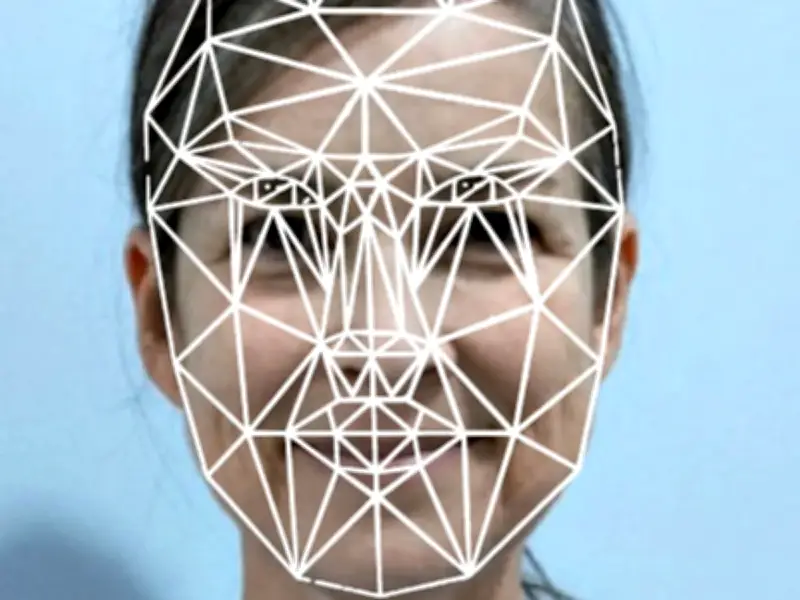
Researchers have found that a single photo can detect a person's chance of surviving cancer and their biological age. Experts have developed an AI tool trained on more than 40 million pictures to determine key indicators of a person's health.
They found on average, cancer patients look approximately five years older biologically than their actual chronological age, compared to people without the disease. The system discovered that patients who looked significantly older than their actual age had worse overall survival outcomes. These cancer estimates were checked against real patient data to verify their accuracy, the authors said.
How FaceAge Works
Biological ageing refers to how old the body is in terms of health and function rather than the number of years since birth. The deep-learning AI tool called FaceAge was trained on data from 58,851 people thought to be healthy and aged 60 years or older. Data from 6,196 patients with cancer diagnoses was also investigated from two institutions in the Netherlands and the USA.
FaceAge studies facial features, skin texture and fat distribution, after deep learning from 40 million photos. The tool analyses features involving skin quality and texture, wrinkles, bone structure, and fine details. These include vertical wrinkles from the lips, known as 'smoker's lines', and volume loss in the area around the eyes, where the skin is among the thinnest.
Findings on Smoking and Ageing
Researchers point out that lifestyle factors such as diet, stress, smoking, and alcohol have been shown to influence the ageing process. They found the facial biological age of current smokers was roughly three years older than their actual chronological age when compared to non-smokers. However, their research found no significant difference in facial aging between former smokers and those who have never smoked, suggesting that quitting smoking allows the skin and facial characteristics to recover over time.
Hugo Aerts, professor at Harvard University and director of the AI in medicine programme at Mass General Brigham in Massachusetts, has said: "A simple face photograph contains far more information about health than we previously understood." He said the new work "advances the field of facial health recognition AI a step further by learning survival risk directly from facial photographs of patients with cancer". He added: "To our knowledge, this is the first demonstration that an AI model can directly predict cancer survival from a simple photograph."
Impact on Treatment Decisions
The deep-learning tool has analysed fine lines and crow's feet, sagging skin and bags, and changes to the eyelid contours. The hollowing of temples is also tracked along with fat redistribution, particularly the fall of fat pads in the cheeks. Changes in facial muscle tone that alter the overall jawline and face shape also get looked at. It ignores common red-herrings such as grey hair and baldness.
Raymond Mak, associate professor of radiation oncology at Harvard Medical School, said the team was surprised by how consistent the study's findings were "across common real-world photo variations, including pose, lighting, facial expression and makeup". He added: "Our goal is to make face photograph-based health assessment more quantitative, consistent and scalable so it can support personalised treatment decisions rather than replace physician judgment."
They found that FaceAge can improve physicians' survival predictions in patients with incurable cancer receiving palliative treatments. The study was published in Lancet Digital Health. If you want to find out your own facial age, people can upload a photo and receive their own readout by joining the research study at faceage.bwh.harvard.edu.